Stay informed
SIWI newsletter
Receive SIWI’s latest news, events, reports and jobs directly in your inbox.
You can unsubscribe at any time.

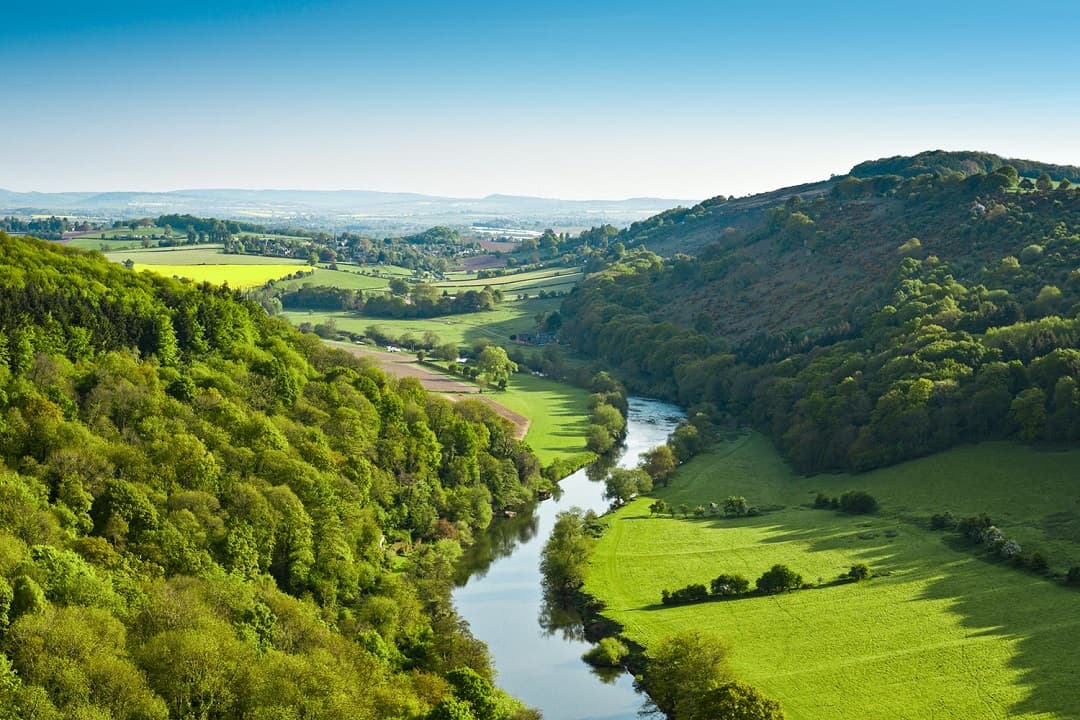

The course Forest and Water Nexus – Introduction was jointly developed by SIWI and the Food and Agriculture Organization of the United Nations (FAO). It is part of FAO’s E-learning Academy. It gives an overview of the relationship between forest and water and of the impact of changing landscapes on water. The two lessons, 45- and 60-minutes long, include topics like:
The course is free of charge and open to anyone interested in learning more about forest and water interactions, the water-related services provided by forests, and managing forests for water-related services. After completing the course, you get a certificate.
Another great way to explore this important topic is through the new Guide to Forest-Water Management, a first-of-its kind, that was launched by FAO at World Water Week 2021. How forests are managed is a crucial question for water security since 75 per cent of the world’s freshwater comes from forested watersheds. The guide argues that forests can strengthen global water resilience, while also providing other benefits.
“It is very encouraging to see the rapidly growing interest in the relationship between trees, forests and water. Forests are vital to the global water cycle and for water security. When the water cycle is disrupted, it harms all ecosystems and results for example in an increase in forest fires. Decision-makers, forest managers and the general public all need to understand these important links,” says Lotta Samuelson who leads SIWI’s Landscapes programme.