
SIWI Reflections 2025: When water-smart restoration builds change from the ground up

SIWI Reflections 2025 is a series highlighting what made the year meaningful across SIWI’s work. Through personal reflections from staff and collaborators, the series explores impact, learning, and what we are carrying forward into the future.

What was the most meaningful thing you worked on in 2025?
Water-smart forest and landscape restoration! Integrating water perspectives into projects working on restoration of degraded lands, mainly in developing countries in Africa and Asia, has been especially meaningful. The local perspective is key. For restoration initiatives to be successful in the long term, local communities and other stakeholders need to be involved, feel ownership and share knowledge relevant to the restoration operations.
One example is Locally Controlled Forest Restoration (LoCoFoRest) – an international training programme that builds capacity in forest landscape restoration. It is a Sida-funded International Training Programme led by the Swedish Forest Agency, with SIWI and Eco-Innovation Foundation as partners. The programme seeks to build local competence to meet the growing global demand for forest-based products and services, while supporting local economies, water security, and biodiversity as well as climate change adaptation and mitigation. LoCoFoRest strengthens collaboration within participating countries and across borders through a growing, cross-sectoral network of restoration stakeholders.
Why did it matter — what difference did it make, or will it make?
An integrated approach to landscape and natural resource management – like the LoCoFoRest programme –supports the scaling-up of forest and landscape restoration while benefitting local communities as well as maintaining and improving ecosystem services.
In October, I was in Nepal coaching participants in LoCoFoRest course round 5.
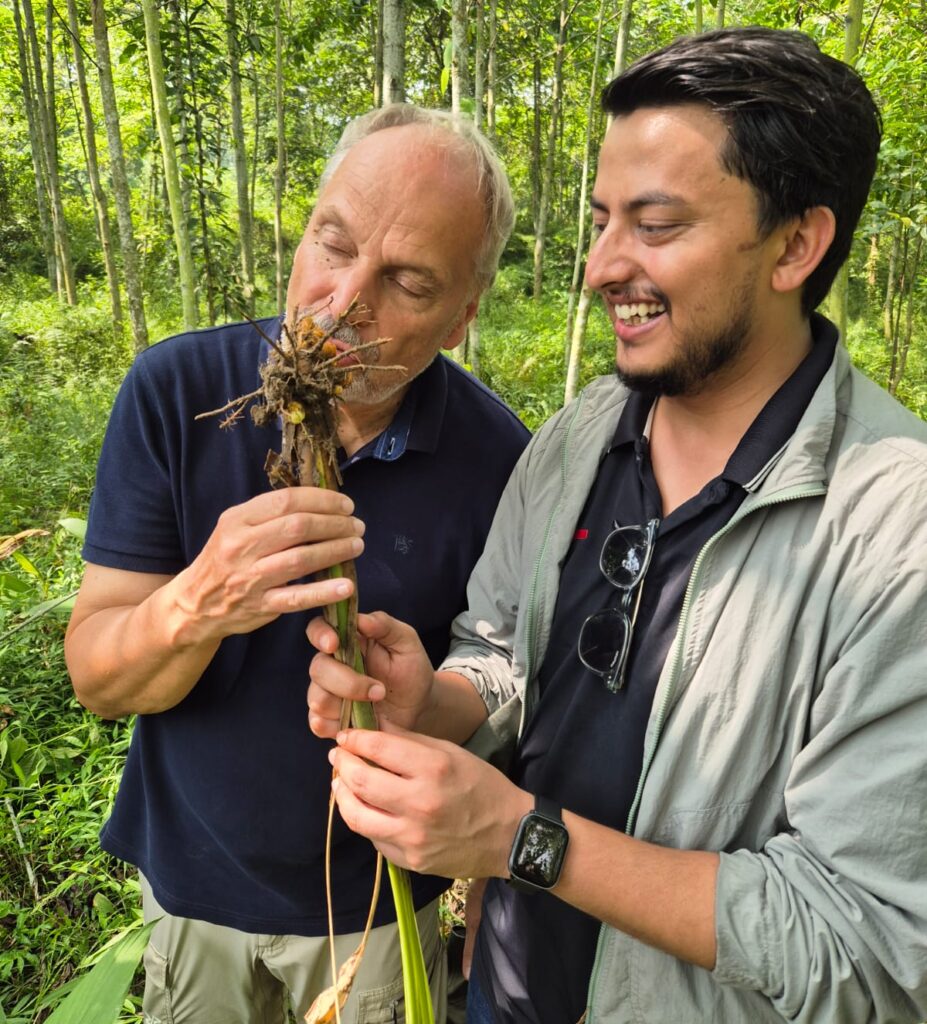
One of the change projects focuses on using turmeric plants to combat invasive climber species in a degraded community forest in Biratnagar in central Nepal. The turmeric reduces the spread of invasive species, creating space and light for native tree seedlings to grow tall. The project works with the local Community Forest User Group to identify a value chain for the turmeric that can secure additional income to the community.
We call the LoCoFoRest participants “Agents of Change”. The aim of the programme is to build collective and institutional capacity in forest and landscape restoration across sectors. SIWI has for many years worked on cross-sectoral collaboration, which I am able to share with participants.
What are you excited to take forward into 2026?
In 2025, green water governance gained momentum like never before. There is growing interest in the links between trees, forests and water, and in how these connections have impact on ecosystem services critical for local livelihoods, including freshwater supply, regulation of water flows, local climates and temperatures, as well as flood and drought mitigation, and water purification.
In 2026, I want to build on this momentum by further integrating green water governance into forest and landscape restoration initiatives, strengthening cross-sectoral collaboration, and supporting locally driven solutions that enhance water security, biodiversity and climate resilience.
I look forward to deepening our work with local actors, scaling approaches that put communities, water and ecosystems at the heart of restoration efforts, and turning growing awareness of green water governance into lasting impact on the ground.
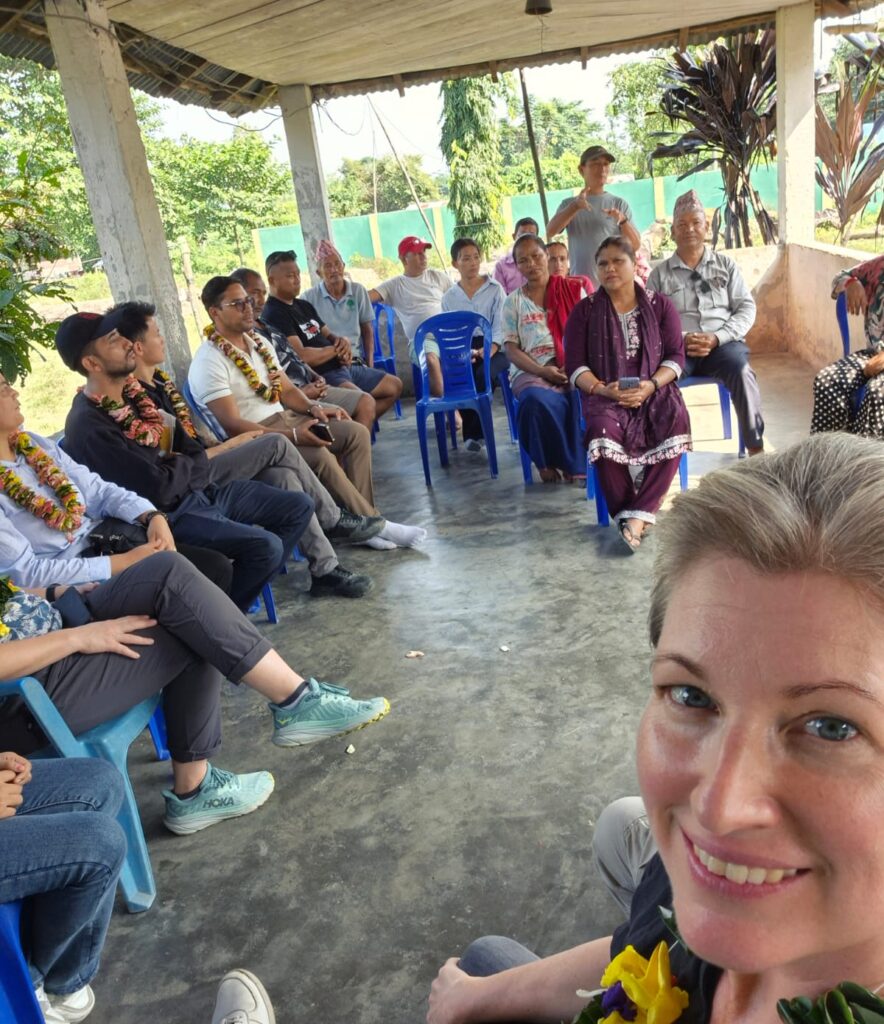
Workshop with the Birat Community Forest User Group (CFUG) to discuss opportunities with turmeric production.
- Water-smart business
- Swedish Water House
- World Water Week

- Water and climate
- Water in landscapes