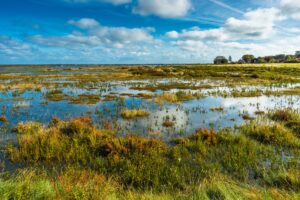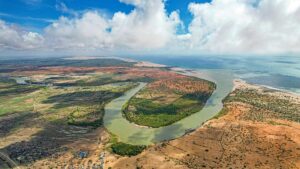


Climate change is experienced through water. In a recent PLOS Water article, Jon Lane, Chair of the World Water Week Scientific Programme Committee, argues that climate action will fall short unless water is fully integrated into climate strategies. While energy and emissions dominate global climate discussions, the impacts of climate change are felt most directly through floods, droughts, shifting rainfall patterns and ecosystem disruption.
Lane highlights a critical gap: climate, water, agriculture and biodiversity policies are still too often developed in silos. This fragmentation limits impact and risks locking in maladaptive investments. These themes resonate strongly with discussions at World Water Week, where water’s role in mitigation, adaptation and resilience is a recurring focus.
Integrated water governance — including watershed restoration, resilient infrastructure, improved irrigation and nature-based solutions — can simultaneously strengthen adaptation, support mitigation and enhance social resilience.
The article also stresses the importance of governance and finance. Effective institutions, cross-sector coordination and aligned funding mechanisms are essential to translate climate ambition into implementation. As Chair of the World Water Week Scientific Programme Committee, Lane’s analysis reflects the growing recognition within the global water community that climate ambition must be grounded in water realities.
Read the full open-access article in PLOS Water to explore the arguments in depth.
Read the full open-access article in PLOS Water

- Water in landscapes
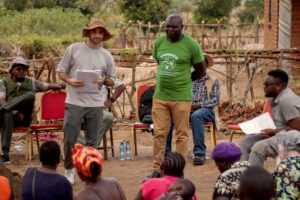
- Agriculture and water
- Water in landscapes
- Water and climate