
SIWI Reflections 2025: When green water strengthens food security and resilience
SIWI Reflections 2025 is a series highlighting what made the year meaningful across SIWI’s work. Through personal reflections from staff and collaborators, the series explores impact, learning, and what we are carrying forward into the future.

What was the most meaningful thing you worked on in 2025?
In 2025, the most meaningful work I was involved in was the Transforming Investments in African Rainfed Agriculture (TIARA) initiative. TIARA aims to maximize the capture, storage and use of green water, which is the water available in the soil for plants and microorganisms, while unlocking the potential of enhanced rainfed agriculture in the Zambezi region (Malawi, Zimbabwe, and Zambia).
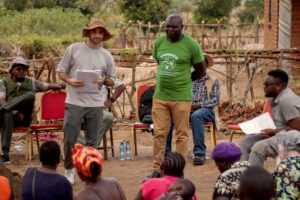
This year was very rich in learning and knowledge exchange. I participated in two workshops with local partners in Zimbabwe and Zambia, which focused on learning and sharing experiences across countries on agroecological practices that improve crop yields, livelihoods, rural economies, resilience, and food security, while also contributing to poverty reduction.
These workshops consisted of theory trainings and field visits to practically observe the implemented techniques. This format proved highly effective. It first allowed participants to gain an overall understanding of all the steps, with the associated outcomes, and then, offered empirical knowledge by collecting feedback from farmers. Hearing farmers’ experiences was very insightful, revealing their resilience, deep local knowledge, and the daily challenges they face, that often go unnoticed.
The field visits were a testament to the farmers’ dedication, and they deserve our unwavering support to scale these efforts across the wider landscape. It was also encouraging to see the leading role played by women’s groups, highlighting the critical link between gender empowerment and sustainable land management.
Why did it matter — what difference did it make, or will it make?
Across Africa, around 95 percent of agricultural production depends on rainwater, yet only five percent of public agricultural water investments are directed towards rainfed agriculture. In many sub-Saharan African countries, smallholder farmers produce as much as 90 percent of the food supply, but their yields remain among the lowest in the world. These farmers are the front-line managers of water and land resources, yet they often lack adequate guidance and training to manage them sustainably. Climate change also increases the pressure they face.
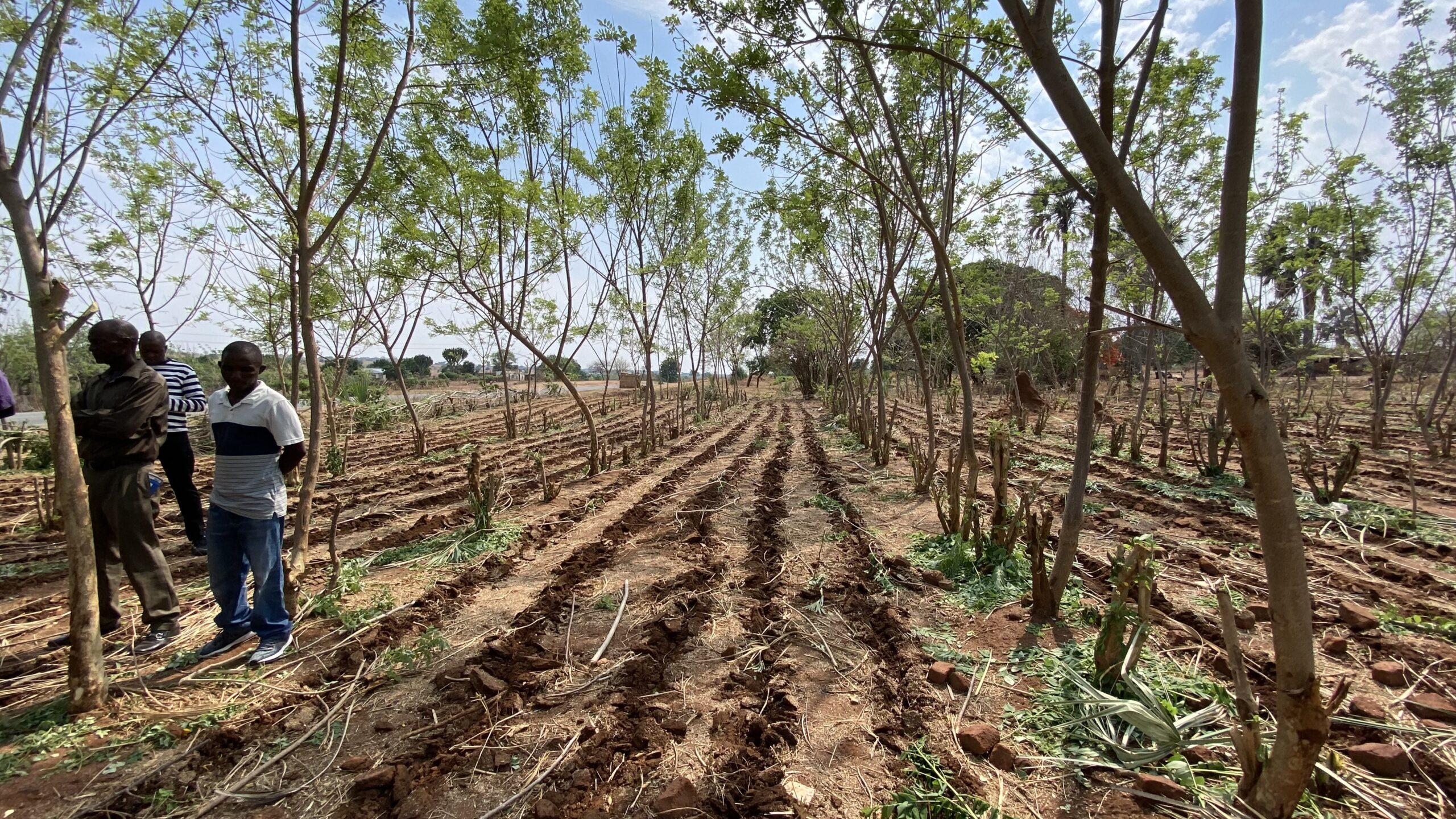
Against this backdrop, TIARA has helped transform the vast tracts of rainfed arable land in the Zambezi region through various Nature-based Solutions (NbS) that:
- Boost crop yields and productivity
- Improve in-field water management
- Enhance food security and water efficiency
- Strengthen climate resilience
- Provide financial incentives for farmers
Practices such as using crop residues, intercropping, and composting are highly relevant in these contexts, as they make better use of natural resources already available to farmers.
All in all, TIARA has enabled cross-country collaboration on 1) political leadership and advocacy, 2) capacity development, and 3) knowledge generation and business case development. Farmers have also been trained to share knowledge within their communities, helping ensure long-term and locally owned impacts.
What are you excited to take forward into 2026?
In 2026, I am looking forward to conducting a case study in Togo on how to better integrate water in forest and landscape restoration (FLR). The case study will use the Water-smart Forest and Landscape Restoration Tool (W-FLR) that bridges the implementation gap between integrated water resource, and forest and landscape management approaches. The tool also ensures that the FLR intervention is participatory, inclusive, and transparent.
Forests are inextricably linked to water. They influence both water quantity and quality, while also improving resilience to climate events, such as droughts, and floods. Thus, I’m excited to take forward projects that can generate such an impact!
This case study will place a particular focus on restoring degraded gallery forests, with the aim of identifying best practices that can be implemented and scaled across selected forest and mosaic landscapes.
As the Tool has only been utilized in Africa yet, we will also look for opportunities to develop case studies in southeast Asia, and Latin America.
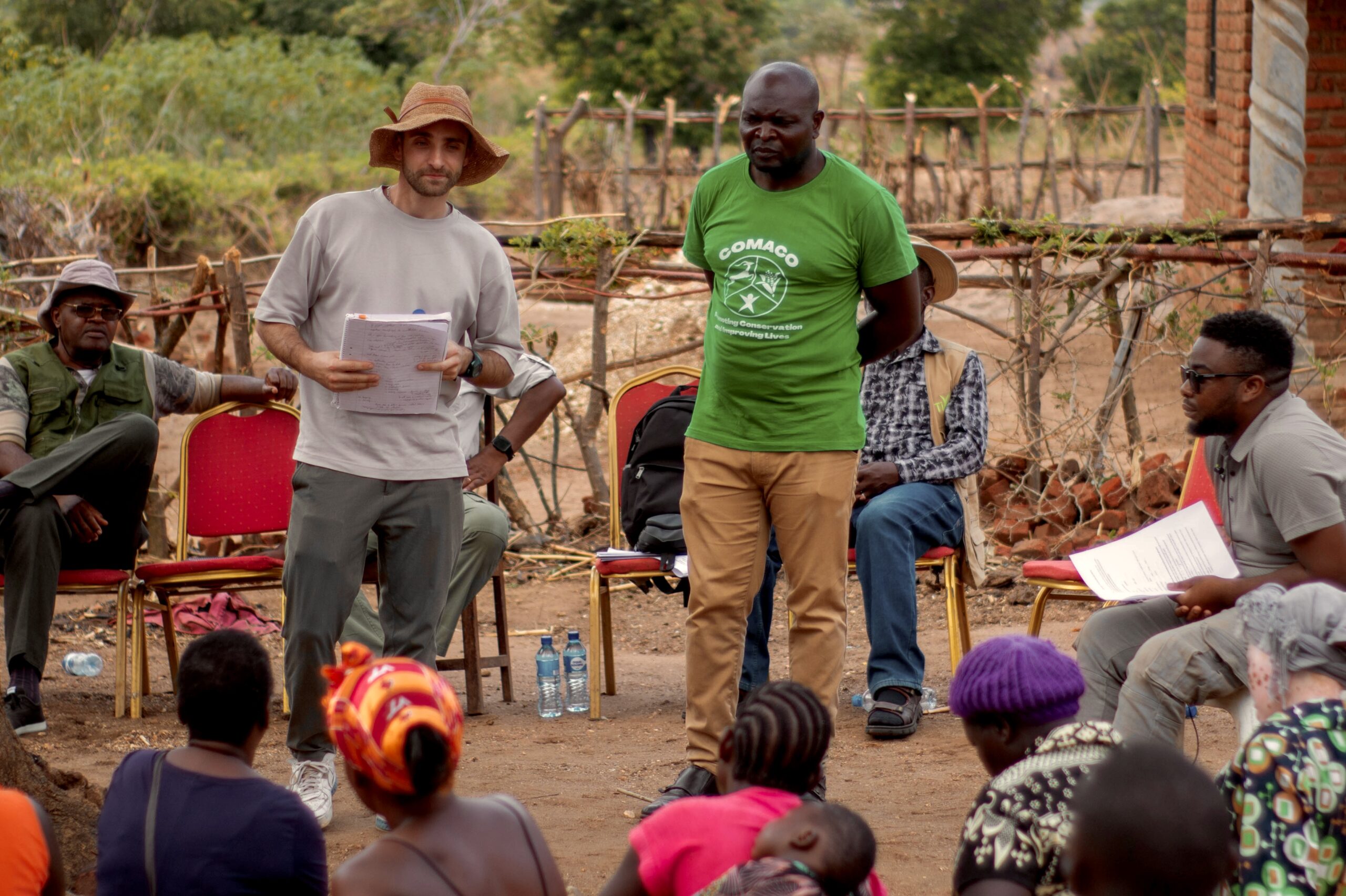
David Mingasson/Zambia
- Water governance
- Water in landscapes

- Water and climate
- Water governance