Stay informed
SIWI newsletter
Receive SIWI’s latest news, events, reports and jobs directly in your inbox.
You can unsubscribe at any time.

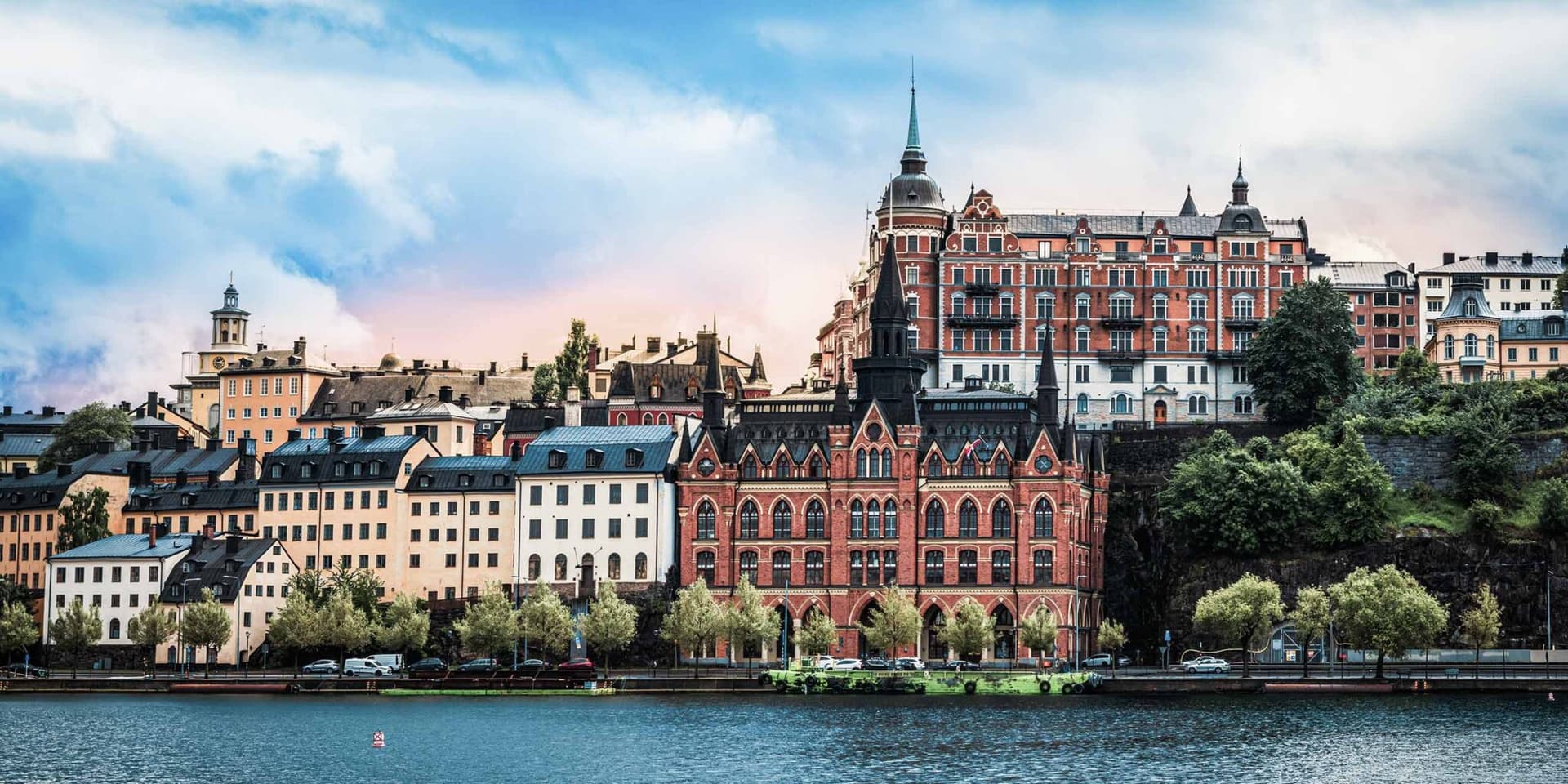
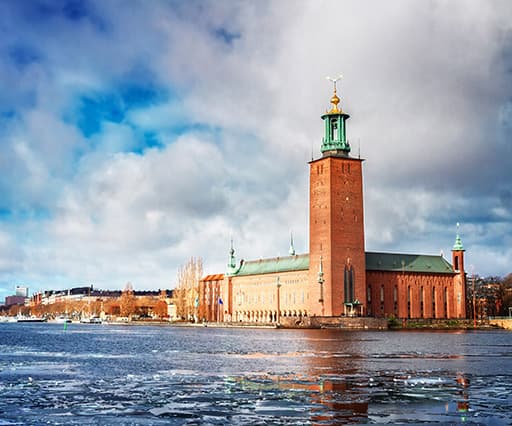
Established in 1991, the Stockholm Water Symposium evolved from a scientific meeting to address sanitation, governance, climate impacts and social dimensions of water. This led to the establishment of SIWI by Stockholm Vatten och Avfall, the City of Stockholm’s municipal water and wastewater utility.
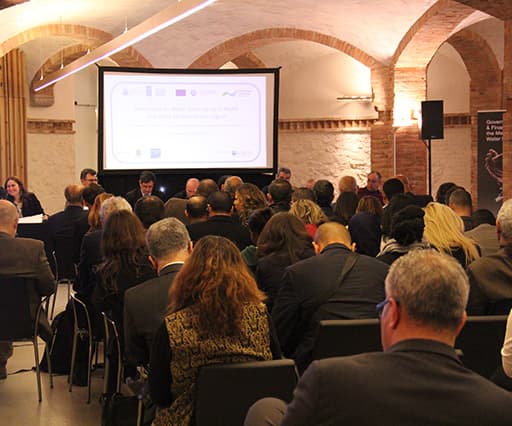
Established as a platform connecting science, policy and practice, SIWI marked a major milestone in 2001 when the Stockholm Water Symposium became World Water Week. The new name reflected its global reach and diverse community, and we strengthened our role as convenor of a leading international forum for collaboration and knowledge exchange.
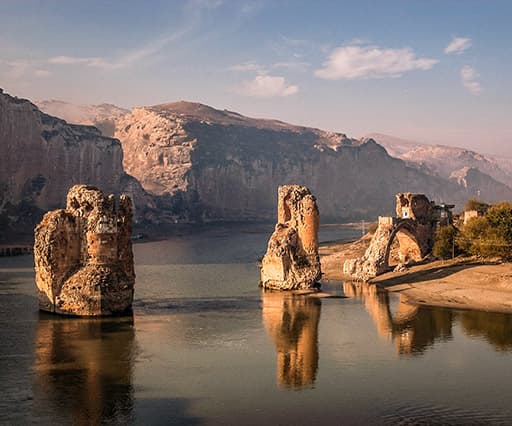
After becoming an independent foundation in 2009, we expanded our role in global water governance, advancing policy advice, multistakeholder processes and science-based programmes. In 2014, UNESCO designated the International Centre for Water Cooperation, hosted by SIWI, as a Category II Centre.
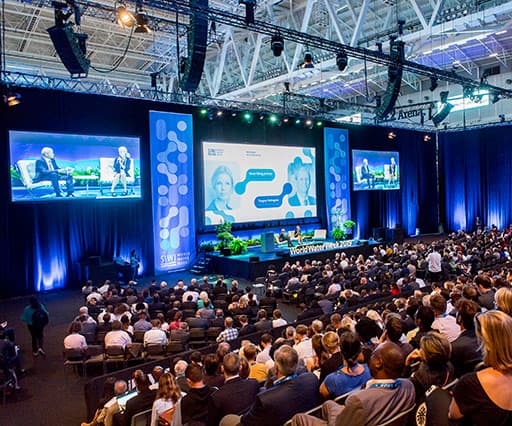
SIWI strengthened its role in global policy processes and water governance advisory work. At the same time, World Water Week evolved with global agendas such as the SDGs and climate resilience, and between 2020 and 2022 introduced digital and hybrid formats, greatly expanding accessibility.

In the mid-2020s, SIWI initiated a major organizational renewal, updating our strategy and structures to strengthen collaboration, sharpen thematic focus, and respond more effectively to increasingly urgent global water challenges.