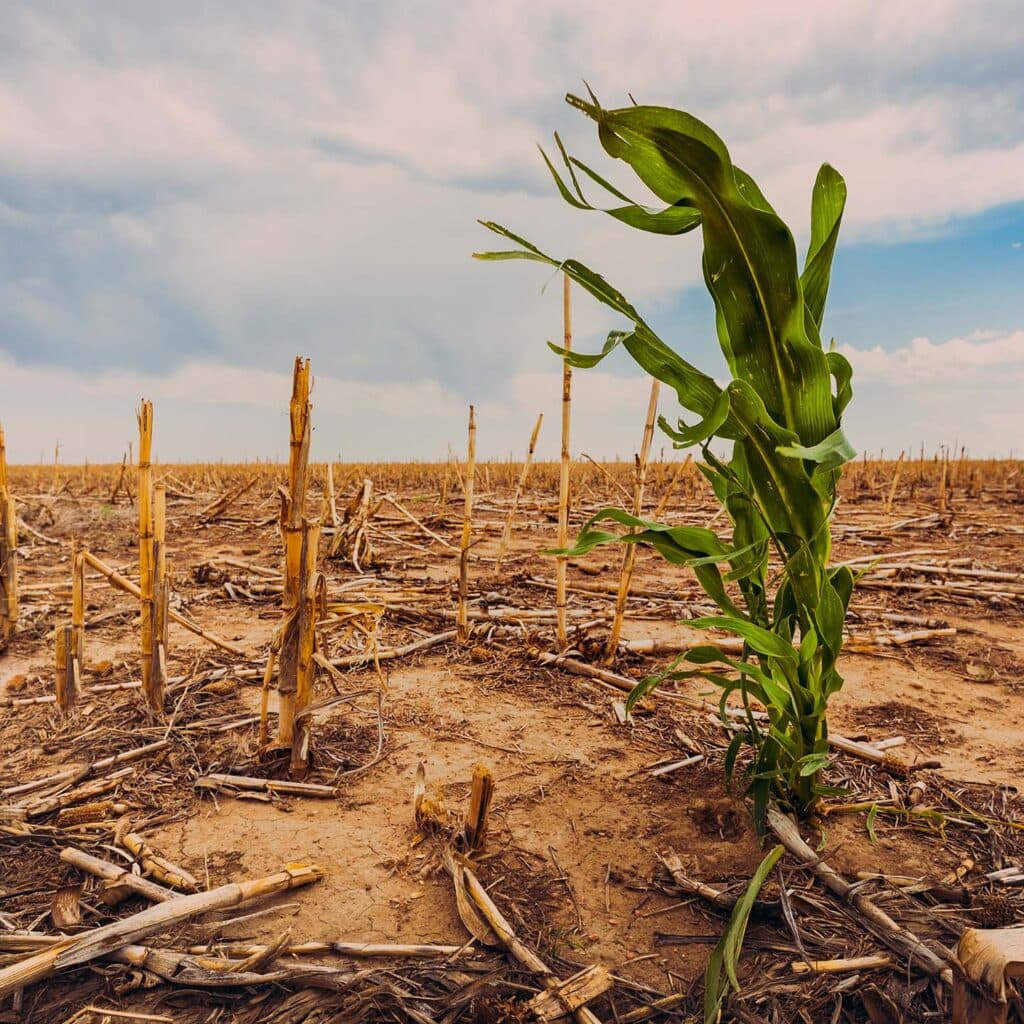



Extreme Drought in a Corn Field
Photo: Scott Book

Water is how we experience climate change

Climate change is disrupting the global hydrological cycle. Droughts, floods, melting ice, shifting rainfall, and land degradation are becoming more frequent and severe. These changes affect food production, infrastructure, economies, ecosystems, and biodiversity. Effective climate adaptation and mitigation begin with understanding and governing water as a dynamic, interconnected system.
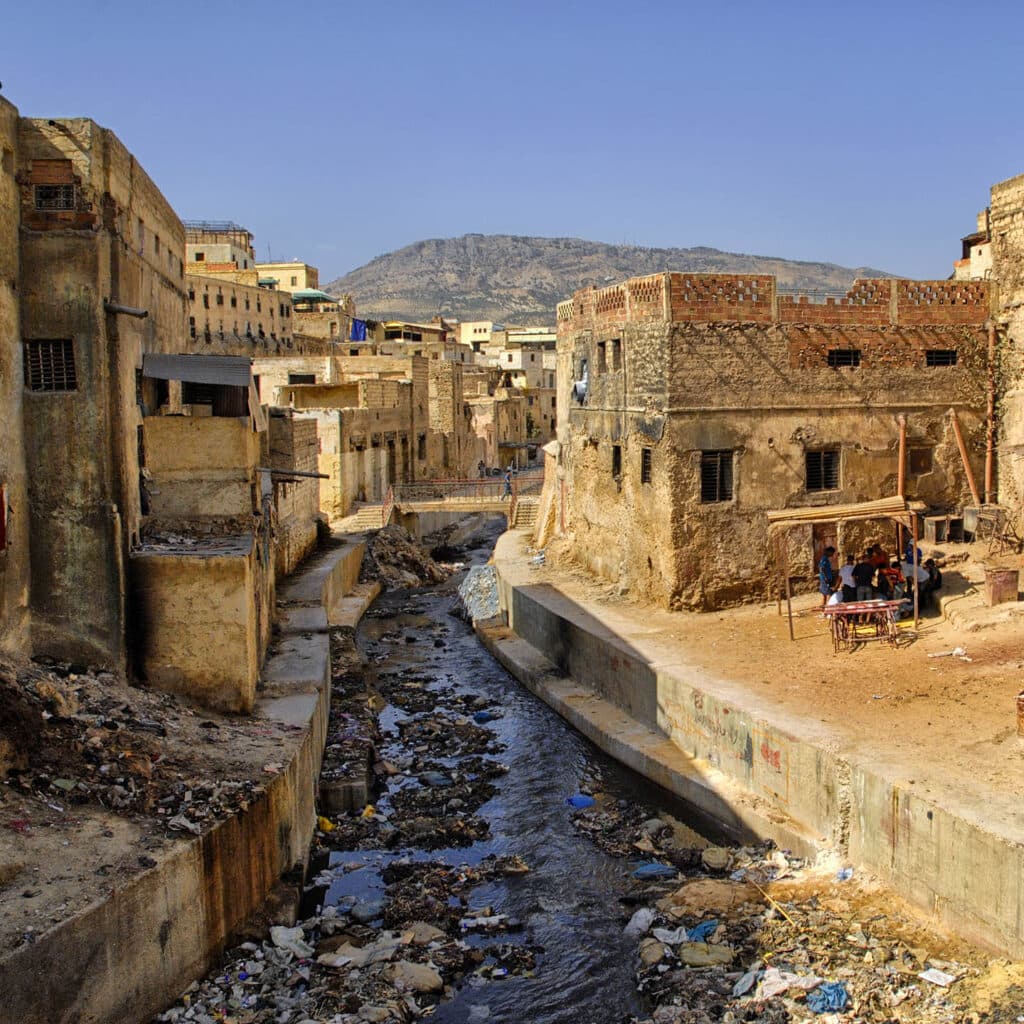


Underserved neighbourhood in downtown Fez, Morocco.
Photo: Boris Stroujko

Water underpins economies, health, and development

Every country’s development depends on reliable and well-governed water resources. Water supports energy, agriculture, cities, and public health. When water is scarce, polluted, or poorly managed, economies slow, inequality widens, and communities become more vulnerable to shocks.
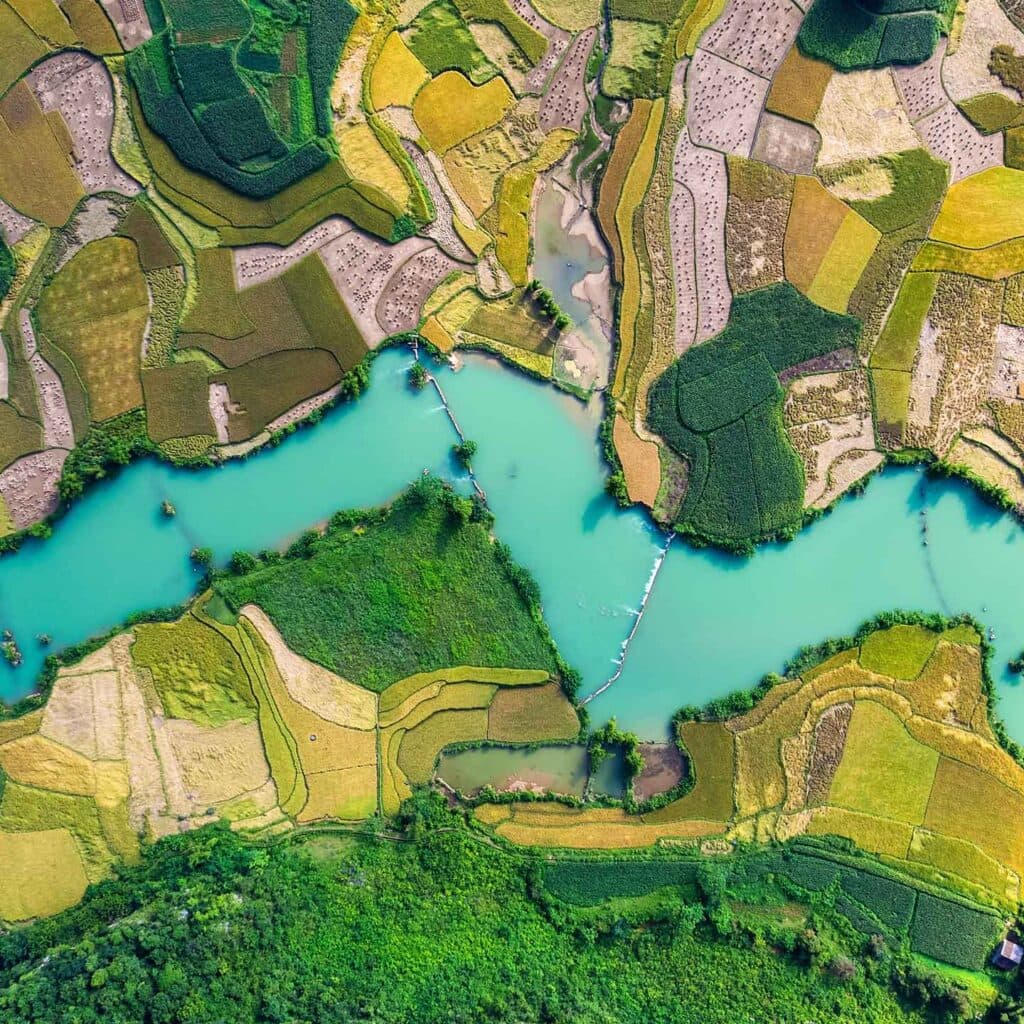
Phong Nam Valley, Cao Bang, Vietnam.
Photo: Mumemories

Water connects ecosystems, people, and prosperity

Healthy ecosystems regulate water flows, store moisture, protect biodiversity, and sustain food production. As nature declines, so does water security. Managing water wisely means managing landscapes, soils, and freshwater ecosystems in ways that balance human needs and the health of the planet.
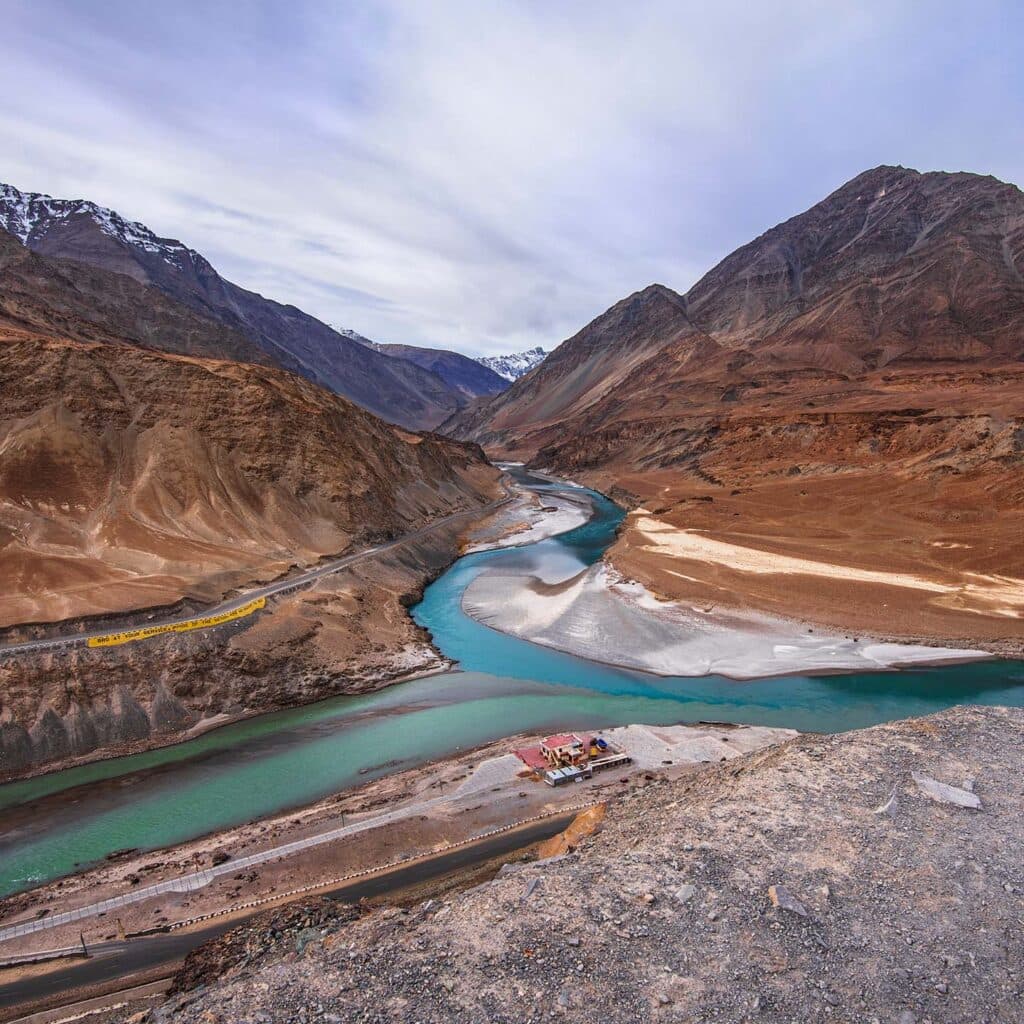
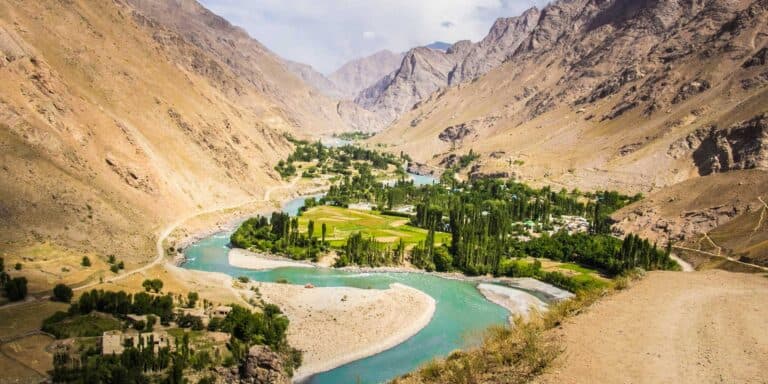
Confluence of the Indus and Zanskar Rivers, Union Territory of Ladakh.
Photo: JakkriT SomsuK Krit

Water can drive cooperation and peace

More than half the world’s population lives in shared watersheds. As pressures rise, risks of tension increase. But water can also build trust. Inclusive governance and transboundary cooperation help prevent conflict, support regional development, and strengthen peace and security.
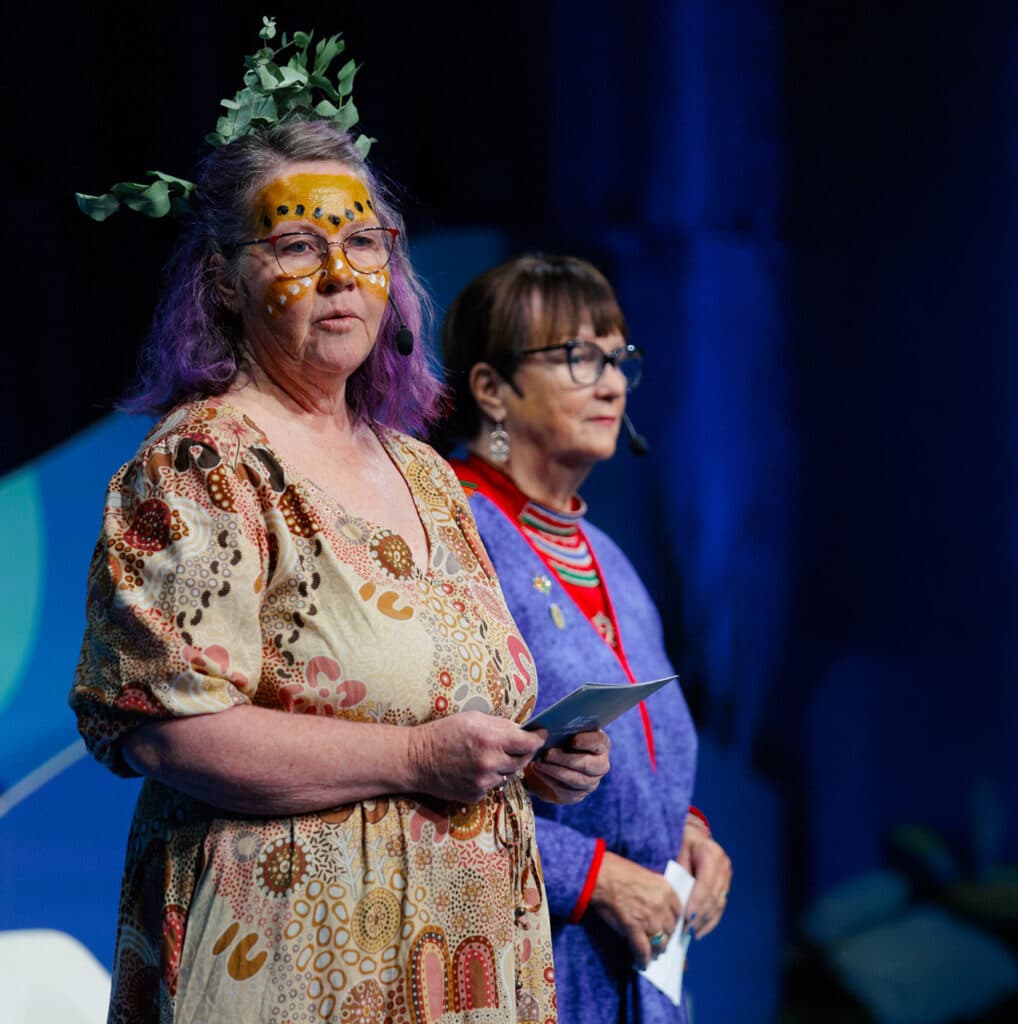
World Water Week 24-28 August 2025

Water governance is at the heart of resilience

Technology alone cannot solve the water crisis. Governance — who decides, who benefits, and how resources are shared — determines whether societies thrive or face instability. Strong institutions, inclusive decision-making, and shared knowledge are essential to protecting people and nature.
Untitled design – 1

Why SIWI matters

Today’s water challenges require cooperation across sectors, regions, and disciplines. This is where SIWI plays a unique role. As a trusted multistakeholder platform, we bring partners together to co-create solutions, curate knowledge, and strengthen governance systems that make lasting change possible. Our work helps ensure that water is recognized and valued as the foundation of a resilient, just, and healthy world.

Explore
Our thematic areas

Three focus areas guide our direction

Topics

Explore key water topics and how they influence people, nature, and sustainable development worldwide

Drip Irrigation
Agriculture and food systems for food security
Agriculture depends on water and underpins food security and rural livelihoods. Sustainable practices for green water and landscape management, support productivity, ecosystems, and climate resilience.
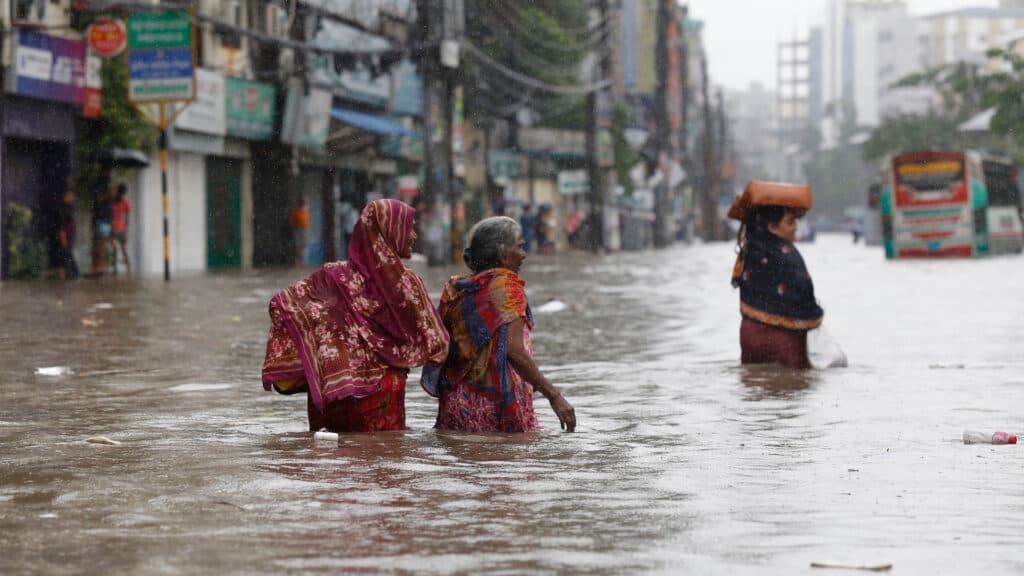
Flooded street in Dhaka, Bangladesh.
Climate resilience
Climate resilience depends on water management as climate change intensifies floods, droughts, and variability, shaping how societies and ecosystems cope with risk.
Boreal forest, Sweden.
Forests
Forests play a critical role in the water cycle, influencing rainfall, soil moisture, and freshwater systems. Integrating forest and water governance is essential for climate resilience and long-term sustainability.
Image
Gender and water
Gender inequality in water governance limits participation and weakens solutions, despite women’s central role in water management and community resilience.
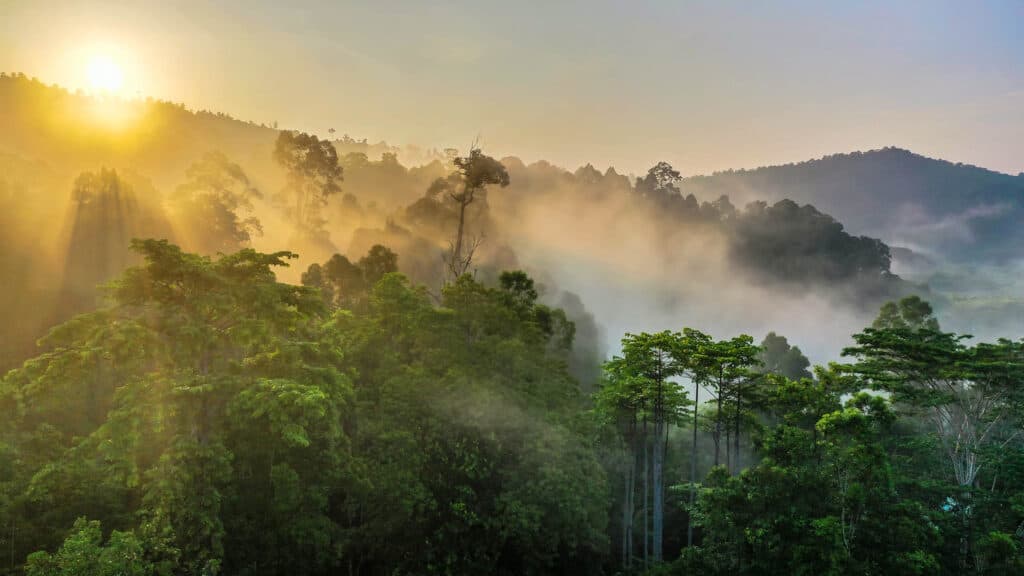
Transpiration in the Borneo Rainforest.
Green water
Green water is the moisture stored in soils and vegetation and released into the atmosphere as evaporation and rainfall. Governing forests and landscapes is essential to manage these flows and sustain climate, ecosystems, and agriculture.
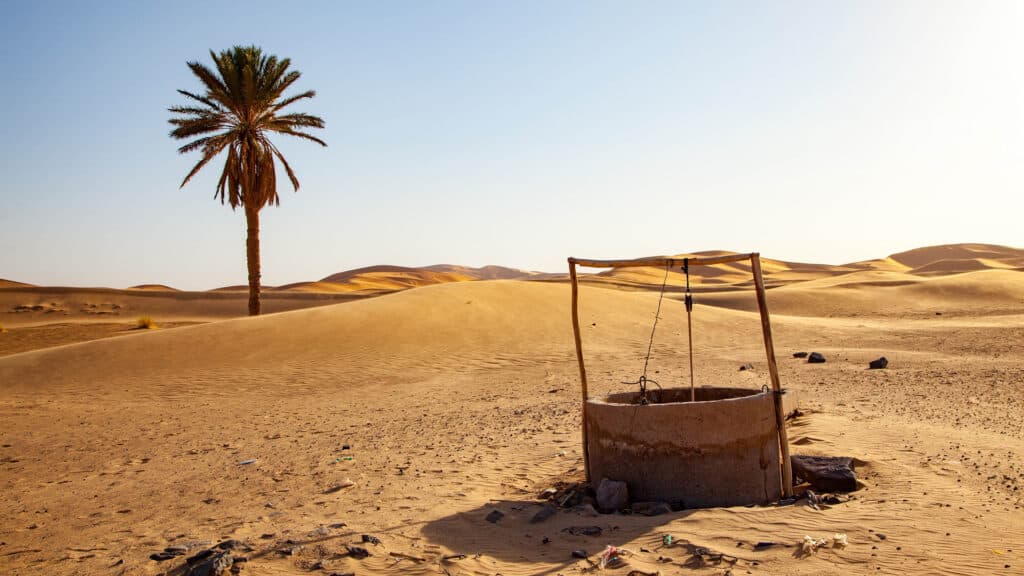
Rustic water well in the Sahara Desert, Merzouga, southeastern Morocco.
Groundwater
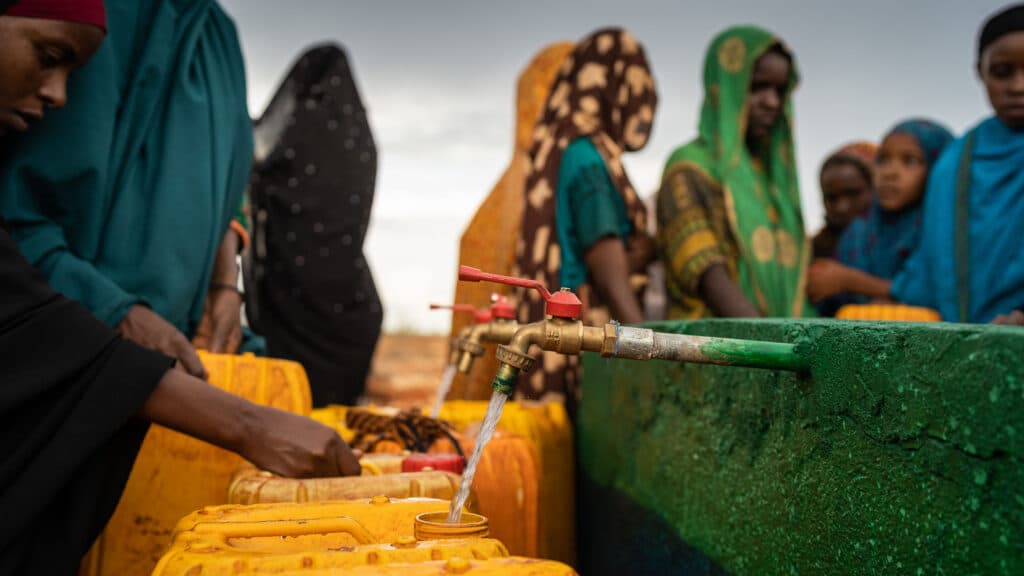
Groundwater is a critical yet often overlooked water source. Strengthened governance and monitoring of aquifers are essential for resilience, drinking water, agriculture, and ecosystems.
Communal water collection point, Baidoa, Somalia.
Human rights
Human rights-based approaches promote equitable access to water and inclusive governance. Principles such as participation, accountability, and non-discrimination are central to sustainable water management.
Six Nations of the Grand River Pow Wow, Ohsweken, Canada.
Indigenous Peoples
Indigenous Peoples hold deep knowledge of water, landscapes, and ecosystems. Supporting Indigenous rights and leadership ensures policies reflect this knowledge and strengthen resilience and justice.
YOUR INFORMATION