Topics

Explore key water topics and how they influence people, nature, and sustainable development worldwide

Drip Irrigation

Agriculture and food systems for food security

Agriculture depends on water and underpins food security and rural livelihoods. Sustainable practices for green water and landscape management, support productivity, ecosystems, and climate resilience.
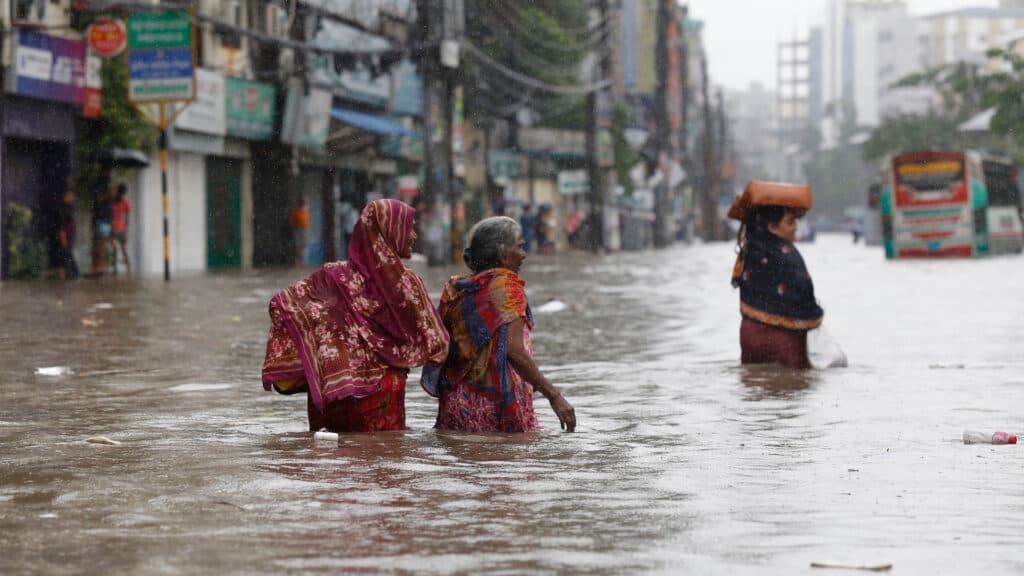
Flooded street in Dhaka, Bangladesh.

Climate resilience

Climate resilience depends on water management as climate change intensifies floods, droughts, and variability, shaping how societies and ecosystems cope with risk.
Boreal forest, Sweden.

Forests

Forests play a critical role in the water cycle, influencing rainfall, soil moisture, and freshwater systems. Integrating forest and water governance is essential for climate resilience and long-term sustainability.
Image

Gender and water

Gender inequality in water governance limits participation and weakens solutions, despite women’s central role in water management and community resilience.
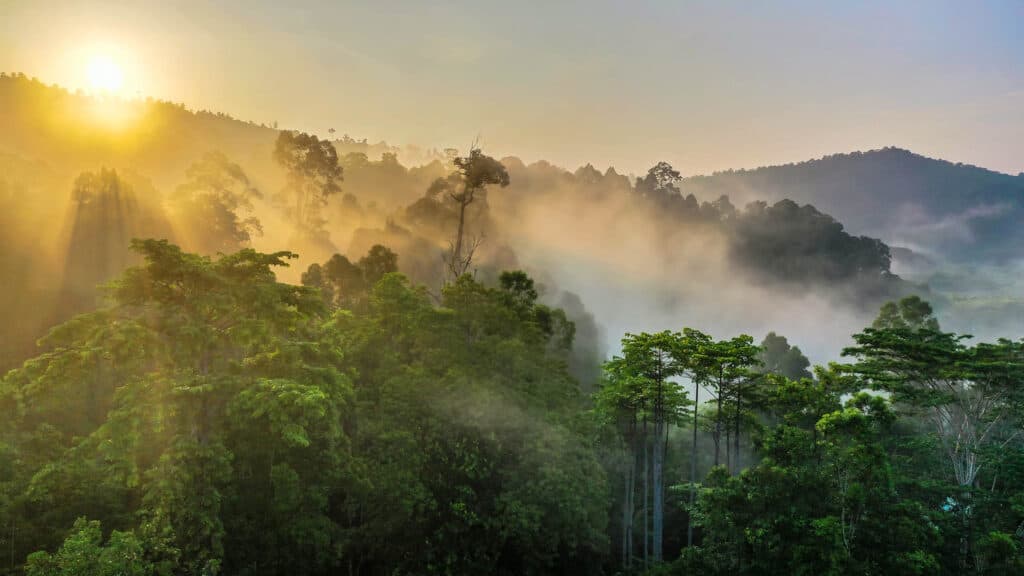
Transpiration in the Borneo Rainforest.

Green water

Green water is the moisture stored in soils and vegetation and released into the atmosphere as evaporation and rainfall. Governing forests and landscapes is essential to manage these flows and sustain climate, ecosystems, and agriculture.
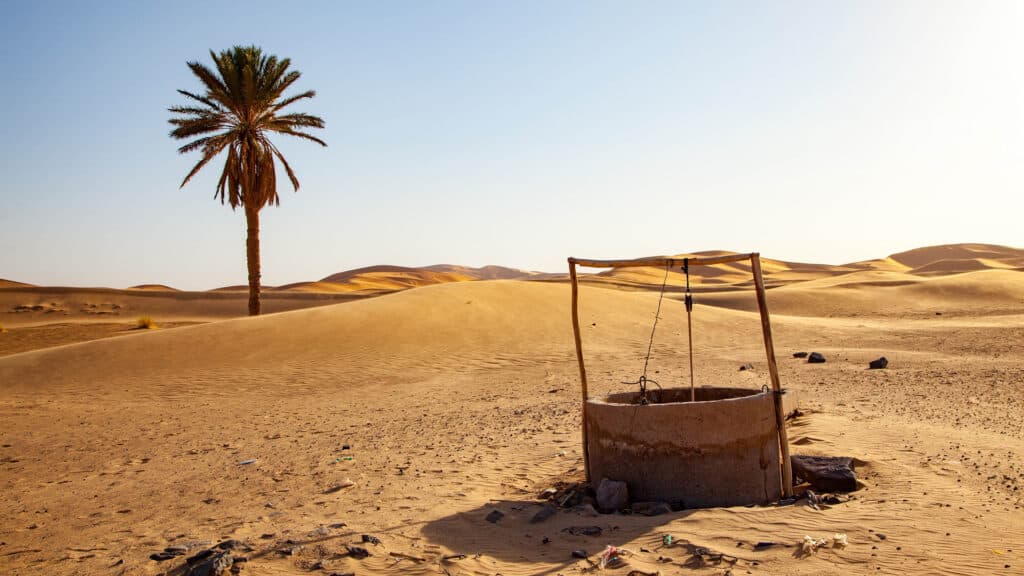
Rustic water well in the Sahara Desert, Merzouga, southeastern Morocco.

Groundwater

Groundwater is a critical yet often overlooked water source. Strengthened governance and monitoring of aquifers are essential for resilience, drinking water, agriculture, and ecosystems.
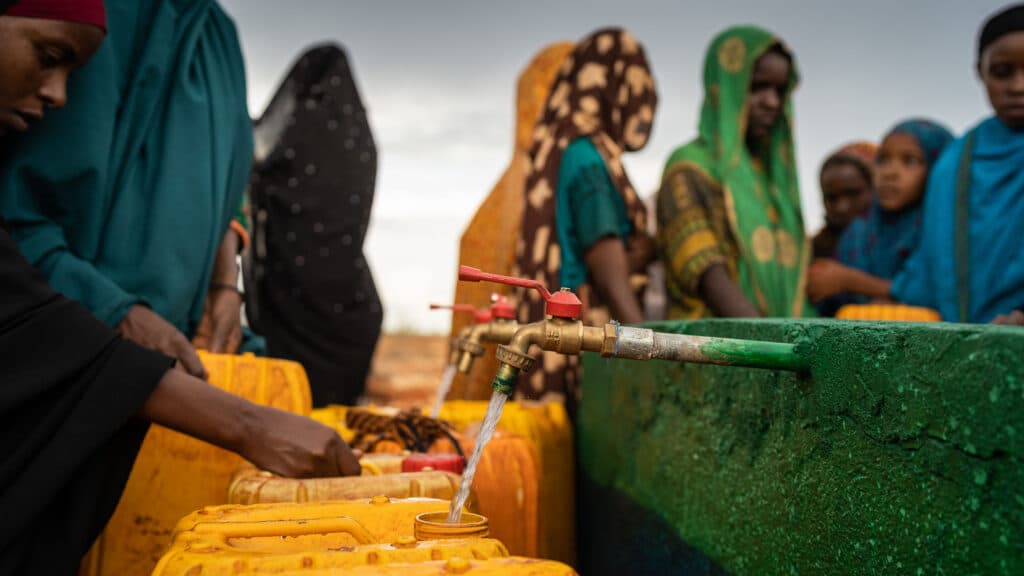
Communal water collection point, Baidoa, Somalia.

Human rights

Human rights-based approaches promote equitable access to water and inclusive governance. Principles such as participation, accountability, and non-discrimination are central to sustainable water management.
Six Nations of the Grand River Pow Wow, Ohsweken, Canada.

Indigenous Peoples

Indigenous Peoples hold deep knowledge of water, landscapes, and ecosystems. Supporting Indigenous rights and leadership ensures policies reflect this knowledge and strengthen resilience and justice.
Welding a circular water pipe from the inside.

Industry, business and water

Industry and business play a key role in water stewardship. Managing water risks, reducing pollution, and aligning economic activity with responsible water use are essential.
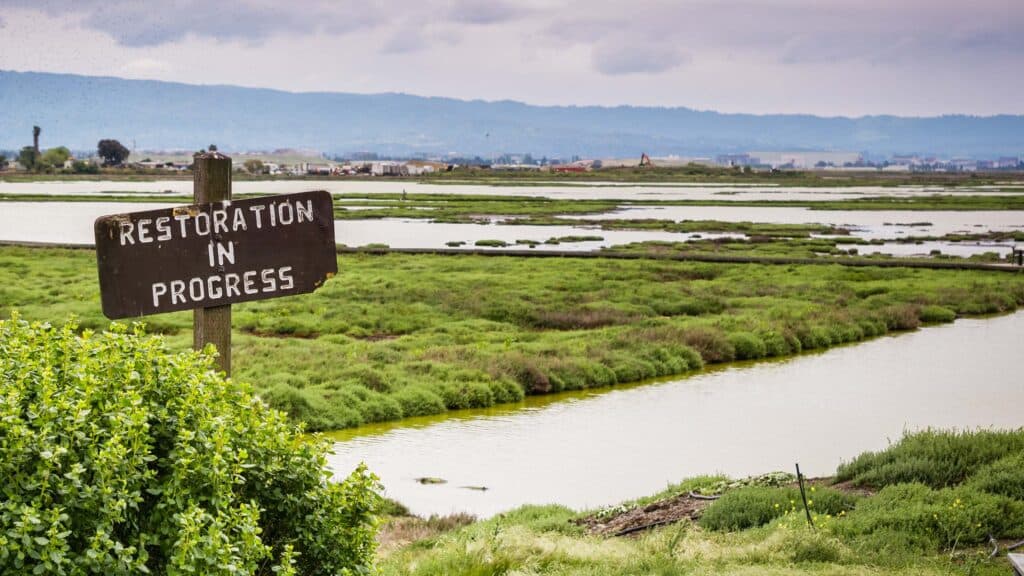
Restoration of the wetlands in Alviso Marsh, Don Edwards Wildlife Refuge, California.

Landscapes and ecosystems

Integrated management of land, water, and ecosystems supports biodiversity, livelihoods, and water flows. Healthy landscapes are essential for climate adaptation and mitigation, and long-term resilience.
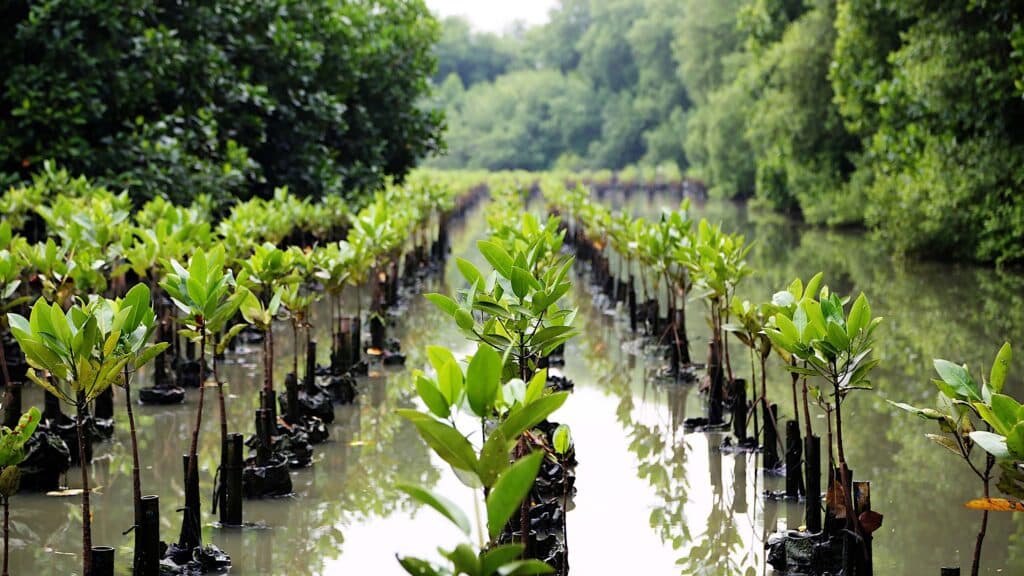
Mangrove plantation.

Nature-based solutions

Nature-based solutions use ecosystems to manage water risks, improve resilience, and support biodiversity, livelihoods, and climate adaptation.
Image

Rivers, wetlands and basins

Rivers, wetlands, and basins form the backbone of freshwater systems. Their protection and sustainable management are essential for ecological health and water security.
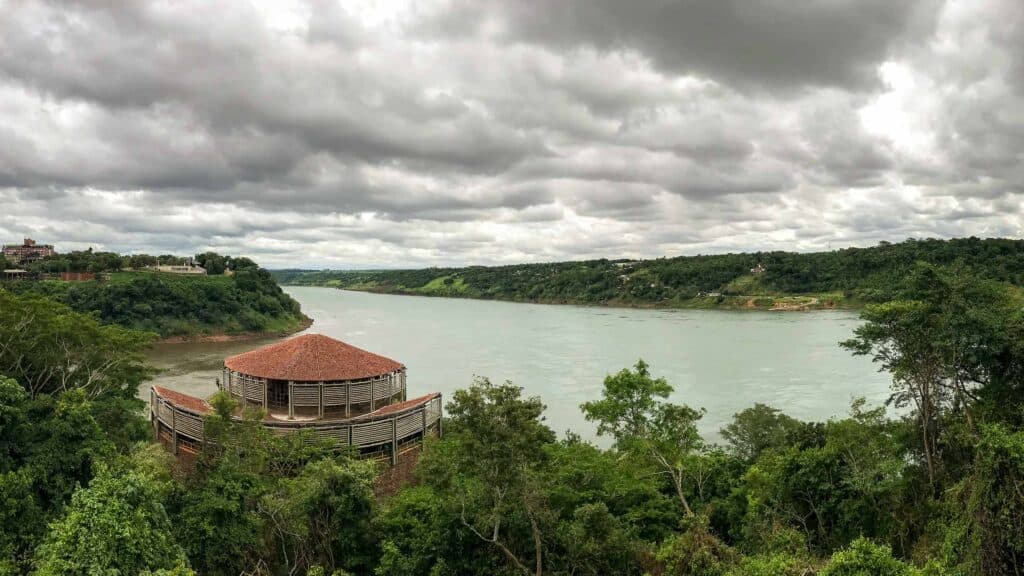
Triple border of Brazil, Argentina and Paraguay, divided by the rivers Iguaçu and Paraná.

Shared waters cooperation

Shared waters link regions and sectors, making cooperation across local, national, and basin levels essential for water security, development, and ecosystem health.
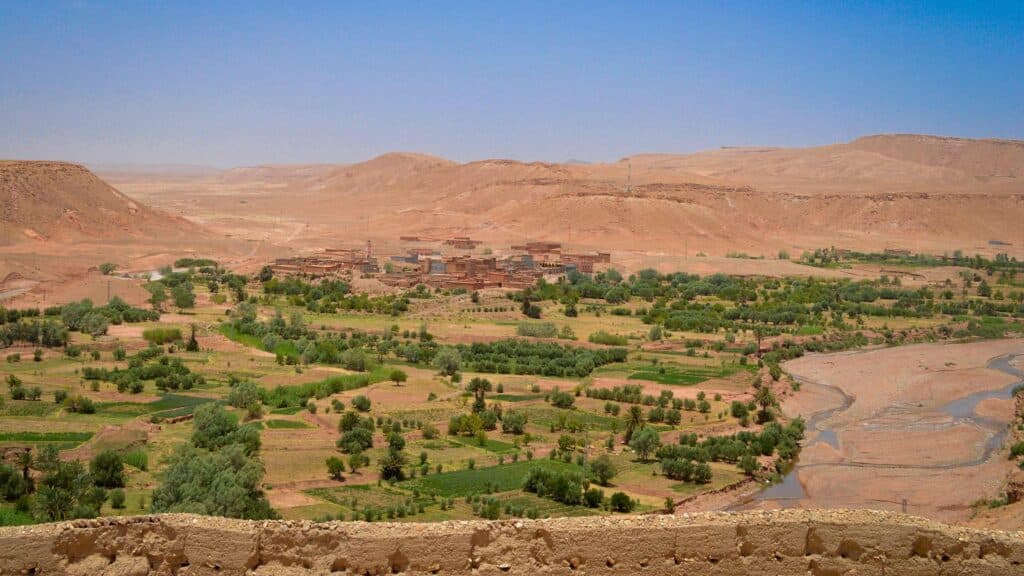
Aït Benhaddou between Marrakech and the Sahara Desert, Morocco.

Water and human security

Water security underpins health, livelihoods, and economic stability, with risks spreading across food, energy, and society when water is scarce or polluted.
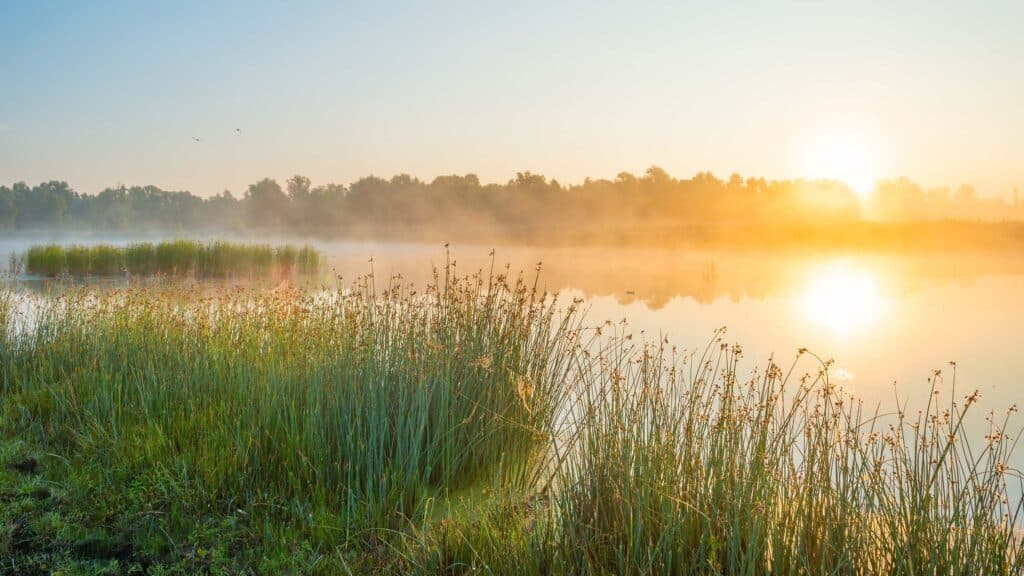
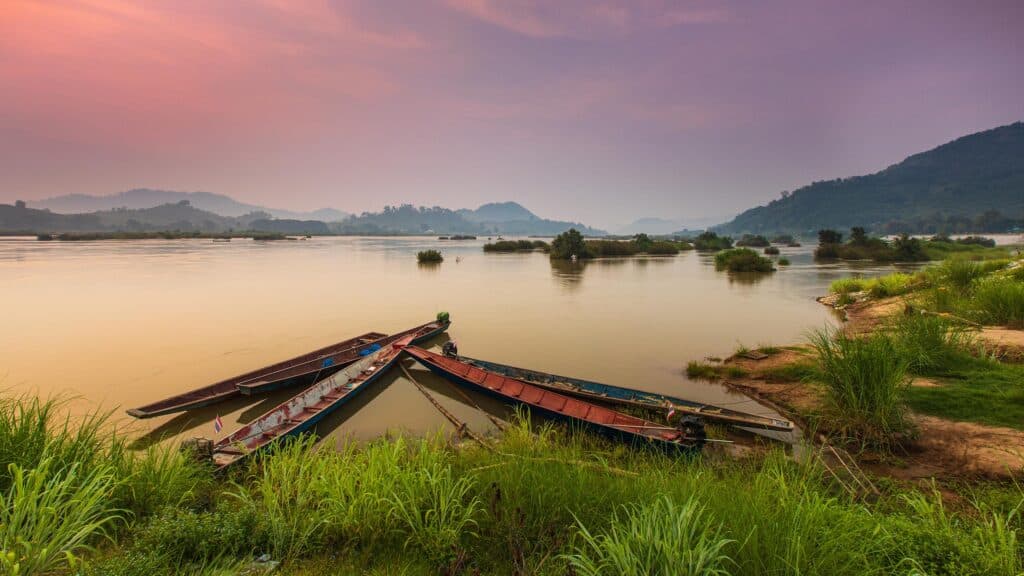
Sunrise on the Mekong river, on the border of Thailand and Laos.

Water diplomacy and peace

Water diplomacy fosters cooperation over shared freshwater across sectors and borders, supporting conflict prevention and sustainable peace.
Image

Water governance

Policies, institutions and social values shape how water is managed across sectors and scales. Effective governance underpins equitable, impartial, and sustainable water decisions.
Image

Youth engagement

Young people are essential actors in addressing global water challenges. Meaningful youth participation strengthens water governance and climate action at all levels.

YOUR INFORMATION