



Stay informed
SIWI newsletter
Receive SIWI’s latest news, events, reports and jobs directly in your inbox.
You can unsubscribe at any time.


At the turn of the millennium, water issues were becoming increasingly global in nature, while Sweden’s expertise and engagement were spread across many actors and sectors. The Swedish government recognised the need for a platform that could bring these actors together, strengthen coordination, and support Sweden’s contribution to international water policy and cooperation.
This commitment was articulated at major international water gatherings in the early 2000s, including the World Water Forum and the Stockholm Water Symposium. The ambition was to create a nationally anchored platform that could mobilise Swedish knowledge, experience, and innovation, while strengthening Sweden’s participation and influence in global water processes.
Swedish Water House was formally launched in 2003 and placed within Stockholm International Water Institute. From the outset, its role was to bridge science, policy, business, and civil society, creating spaces where different perspectives could meet and where collective approaches to water challenges could take shape.
In its early years, Swedish Water House became known for its multi-stakeholder groups. These brought together actors from across sectors to explore shared water-related challenges and test new ways of working together. Topics ranged from textiles and food systems to forests, pharmaceuticals, and finance with many groups evolving into longer-term collaborations, projects, or international networks.
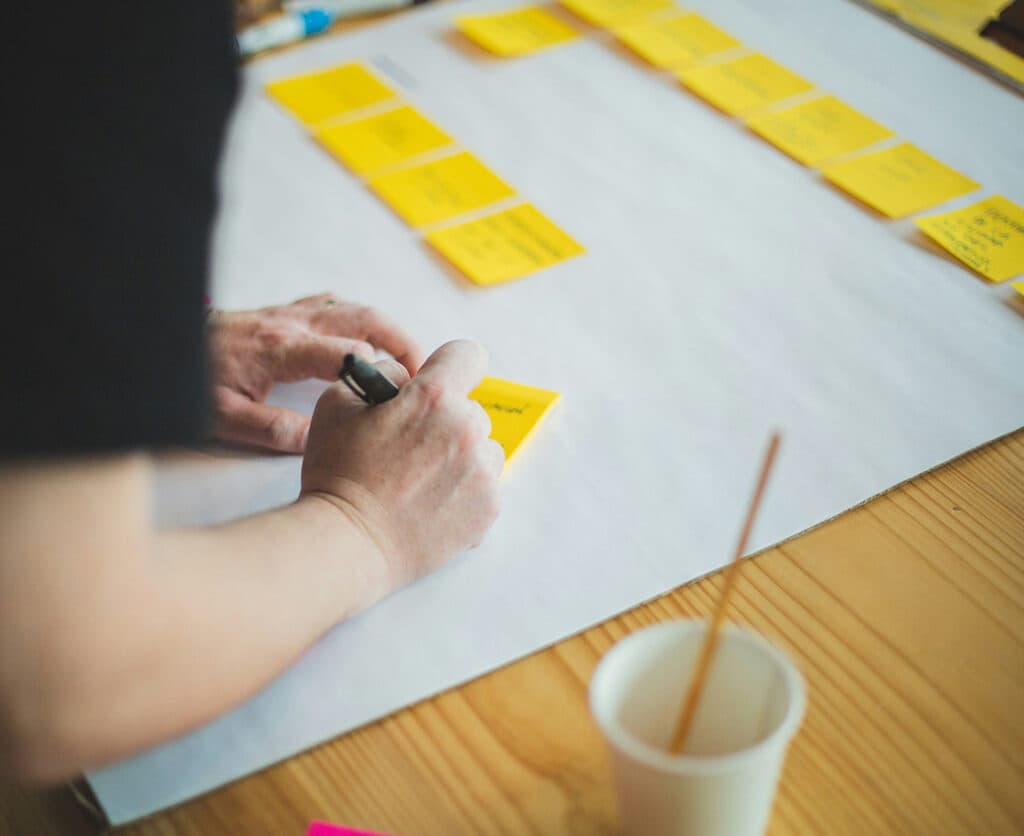
Over time, Swedish Water House broadened its scope and strengthened its role as a national knowledge platform. Seminars and dialogue formats grew in importance, offering opportunities for Swedish actors to engage with emerging evidence, policy developments, and international debates on water.
At the same time, SWH’s engagement in global policy processes expanded. By supporting Swedish participation in international agendas on sustainable development, climate change, and biodiversity, Swedish Water House helped connect national perspectives with evolving global frameworks.
Today, Swedish Water House continues to evolve in response to changing global and national contexts. As water has become increasingly central to discussions on climate resilience, ecosystem health, and sustainable development, SWH has focused on strengthening the links between Swedish expertise and international water governance.
Across its history, one idea has remained constant: effective water governance requires collaboration across sectors and scales. Building on more than two decades of experience, Swedish Water House remains a central meeting place for Sweden’s water community, connecting national expertise with global water agendas.