Stay informed
SIWI newsletter
Receive SIWI’s latest news, events, reports and jobs directly in your inbox.
You can unsubscribe at any time.

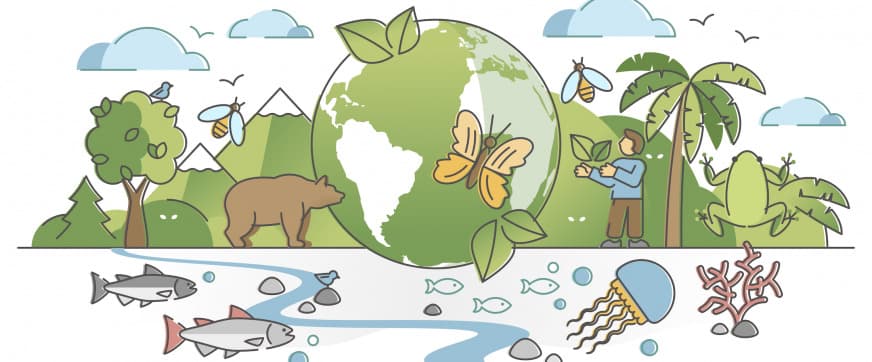
A fifth of countries worldwide are at risk of ecosystem collapse, according to an assessment from a Swiss insurance company and other studies point in the same direction. The Intergovernmental Science-Policy Platform on Biodiversity and Ecosystem Services (IPBES) warns of an era of mass extinction of species that could threaten also human existence.
Yet, the Secretariat of the Convention on Biological Diversity has picked the slogan “We’re part of the solution” for this year’s Biodiversity Day to highlight all the important work that is going on across the world to support ecosystems and strengthen the natural world. This is supported by reports from both IPCC (the Intergovernmental Panel on Climate Change) and IPBES which emphasize the need for many and powerful measures to limit climate change and stop the loss of biological diversity -and also to deal with the unavoidable consequences.
Climate change and loss of biological diversity are two parallel crises, clearly interlinked. This needs to be acknowledged in the negotiation conferences for both the biodiversity and climate conventions taking place in 2021. The negative effects on biological diversity due to land use changes, pollution of surface and ground water and over extraction of water is multiplied by climate change. Measures to support and improve biodiversity need to consider these multiple causes.
There is however intense activity on the ground, with many new initiatives to protect biodiversity through improved practices in farming, agriculture, and landscape management. Many of these approaches have turned out to successfully address several problems at once. Reforestation of forests and natural grasslands along rivers can for example simultaneously improve water quality, decrease soil erosion, and store carbon. Similarly, agroforestry is good not only for climate mitigation but also to improve soil moisture, soil quality and food security while contributing to water recharge.
SIWI works actively to provide platforms for knowledge exchange and raise awareness of these types of solutions that can help us tackle biodiversity loss as well as the climate crisis and the 17 Sustainable Development Goals. One way to learn more about this is to follow the many webinars of the SIWI Swedish Water House team (some in English and some in Swedish). The most recent webinar was organized together with SLU and WWF and looked specifically at the water-related solutions to strengthen biodiversity. Key messages from this webinar were:
Here are some other important lessons:
All life depends on water, which we must always keep in mind to protect our ecosystems and life on Earth as we know it.