Stay informed
SIWI newsletter
Receive SIWI’s latest news, events, reports and jobs directly in your inbox.
You can unsubscribe at any time.

The idea that we need to value water differently is not new. Nonetheless, water is often not valued in the way it should as the growing water crisis illustrates. A forthcoming report is outlining alternative pathways towards valuing water. It highlights voices from Indigenous Communities and provides a broad set of values, ideas, and experiences that can help nurture and heal our relationship with water.
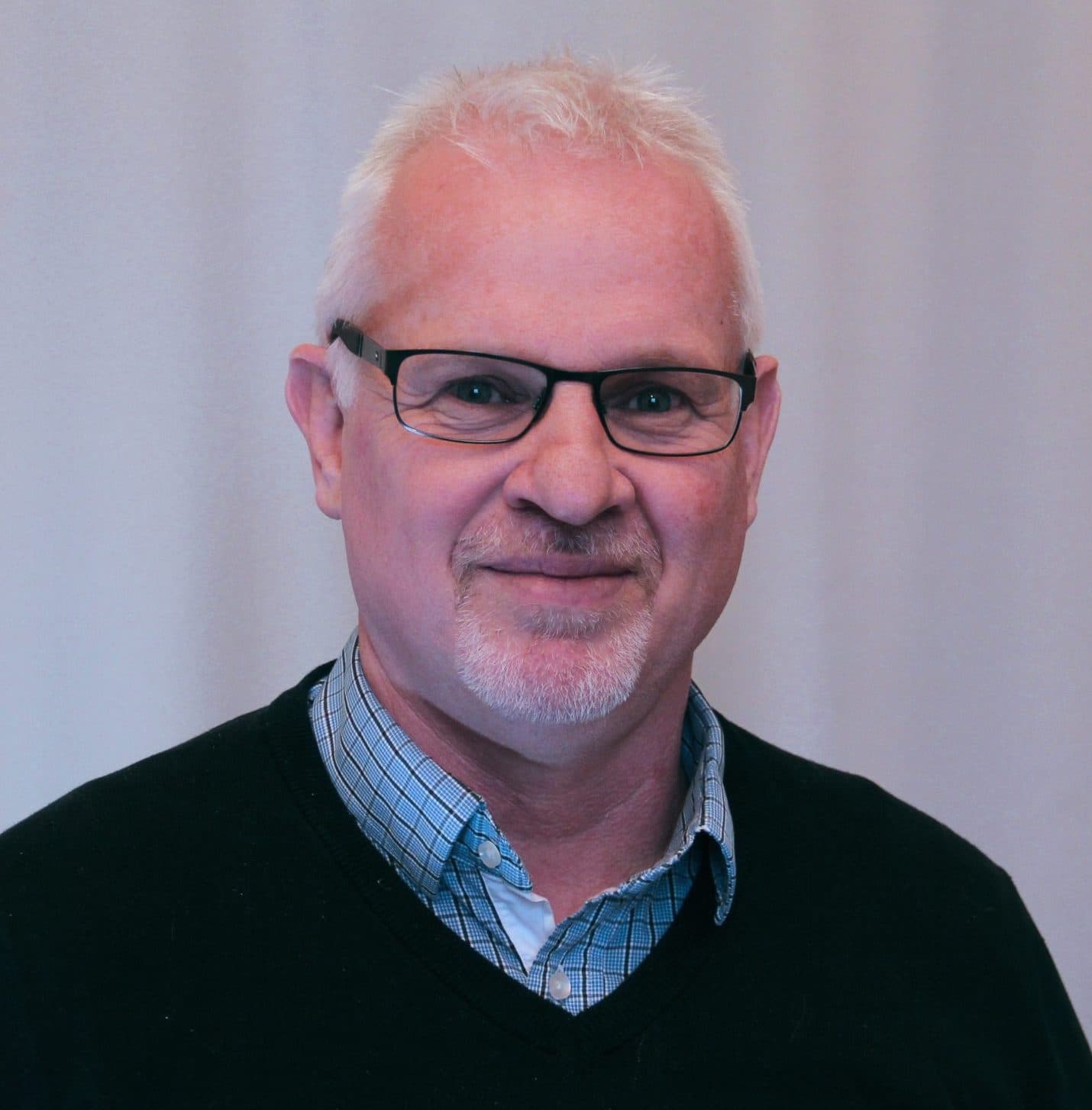
A conversation with David Hebart-Coleman, Senior Manager at SIWI and coordinator of the report.
To date, Indigenous voices have not been very prevalent in global water policy discussions, despite the existence of the United Nations Declaration on the Rights of Indigenous Peoples (UNDRIP). Part of this has been a lack of opportunity or resources, and part of it has been a failure of the water community to actively listen. Givens SIWI’s leading role in water governance, we felt it was important to reach out to several Indigenous communities and partner with them to address this gap.
Firstly, it is important to note that there are approximately 5000 different Indigenous peoples around the world, with many diverse worldviews and understandings around between them. But speaking as the coordinator of the report, and as a non-Indigenous person, most contributors emphasized that water or water bodies should be seen as living entities that are connected to people and other beings in their territory in a web of relationships. Another thing that was raised was the importance of taking a holistic approach, rather than approaches that break entire bodies into smaller parts for policy and regulatory purposes.
With these relationships comes both rights as well obligations that are manifested in different ways, but especially through ensuring the good health of land and water. Values such as respect, reciprocity and relatedness were often raised, and these values will embody a very different starting point to making decisions than say simply treating water as a resource.
This is a difficult question to answer, but for me the first step is to recognize and acknowledge that different types of knowledge and relationships with water exist and are proven across millennia. Without acknowledging this, it will be very difficult to get to the second stage and really listen to Indigenous Peoples. Too often, knowledge may be sought or taken from Indigenous Peoples without an appreciation of the relationship, obligations, or knowledge system within which it was generated.
With listening, it is more possible to identify opportunities for engagement and to partner better in addressing different challenges facing waters across the world, one that is based on re-building our relationships with our water bodies. Of course, this answer is downplaying questions on things such as rights and sovereignty that also need to be addressed as part of building bridges.
As part of increased engagement in global water policy, Indigenous Peoples are beginning to outline the appropriate means, but the starting point is to increase resources to help empower them to participate in policy and decision-making.
In the Indigenous Peoples Declaration for the 2023 United Nations Water Conference, signatories outlined key messages about respecting Indigenous Peoples knowledge, cosmovisions and practice, ensuring full and effective participation of Indigenous Peoples, and to prioritise the collective human responsibility to protect and safeguard water, amongst many others.
Events such as the Water Conference in New York, or the upcoming World Water Week 2023 which includes several events with a focus on First Nations Peoples, as well as the release of Yaa Heen Koosge: Indigenous Peoples and Water Wisdom, are important for building more knowledge and awareness but more is needed to empower Indigenous Peoples to lead discussions.