



Stay informed
SIWI newsletter
Receive SIWI’s latest news, events, reports and jobs directly in your inbox.
You can unsubscribe at any time.


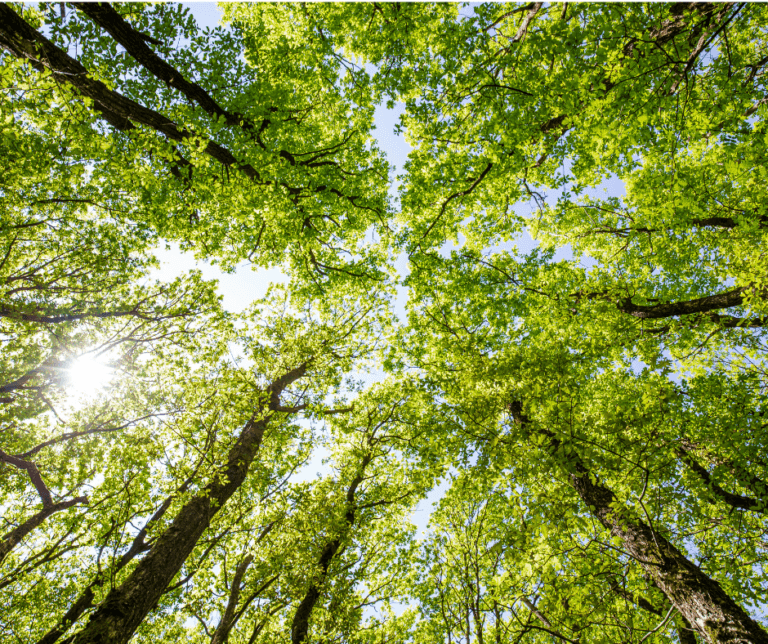
Today, forests face mounting pressures from deforestation, land conversion, climate change, and unsustainable management. When forests are degraded or lost, soil moisture and evapotranspiration declines, rainfall patterns shift, and water quality suffers. This undermines not only local water availability but also regional rainfall regimes and agricultural productivity. Fragmented decision-making across land, water, forestry, and climate systems further weakens efforts to protect and restore these vital functions.
SIWI works to bring forests into water governance by promoting integrated approaches that link land use, ecosystem health, climate planning and water decision-making. Through dialogue, knowledge exchange, and policy engagement, we help stakeholders understand and act on the ways forests shape both green water (soil moisture and atmospheric moisture) and blue water (rivers, lakes, and groundwater). SIWI supports frameworks that recognize forests’ role in climate resilience, agricultural sustainability, and water security, and that align forestry, water, and land-use planning across sectors and scales.
By strengthening how forests are considered in water and land governance, and climate planning, SIWI helps enable more resilient ecosystems, sustainable food systems, and reliable water resources. Integrated governance that values forests supports soil health, stabilizes rainfall patterns, improves water quality, and reduces the risks of continental drying, droughts and floods. Healthy forests are therefore foundational to climate resilience, long-term water security, and prosperous communities.