Stay informed
SIWI newsletter
Receive SIWI’s latest news, events, reports and jobs directly in your inbox.
You can unsubscribe at any time.

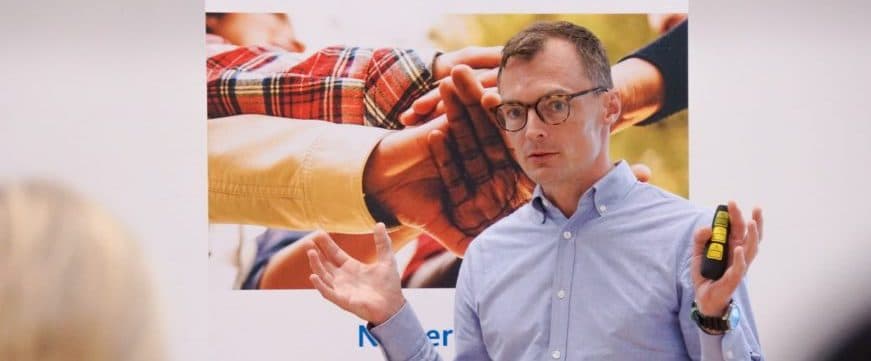
Here’s what we asked him:
We at Swedish Water House organized our own seminars on a number of topics. For example, we spent half a day on sustainable consumption and part of it was about medicines.
This is really a global issue, not least because antibiotics that are produced in one part of the world are then consumed elsewhere. Production and consumption also contribute to the spread of antibiotic resistance, which is an inconceivable challenge that must be solved at an international level.
SIWI’s REAP project (Reducing Emissions from Antibiotics Production) is part of a number of different initiatives and talks. My colleague Iris Panorel will be attending the international conference 2nd Saving Lives Sustainably: Global Forum in Dar es Salaam, Tanzania 18th-19th July. There, she participates in conversations about water resource management and highlights our work where we have held dialogues with a number of different actors.
We are convinced that talks with various actors are an important step in the solution for creating sustainable supply chains and a sustainable procurement of medicines, not least antibiotics.
This is an exciting time because we can see that these issues have actually come up on the agenda of many! We can now see a greater understanding of why this is important and what we can do. The United Nations is already working on procurement as a tool to limit drug emissions and several countries want to follow suit. But for this to have an impact, companies need to become more transparent. What is most likely is that we need regulations, international standards and a company-wide agreement. It is a very complex process, but it is getting started.