


























Stay informed
SIWI newsletter
Receive SIWI’s latest news, events, reports and jobs directly in your inbox.
You can unsubscribe at any time.

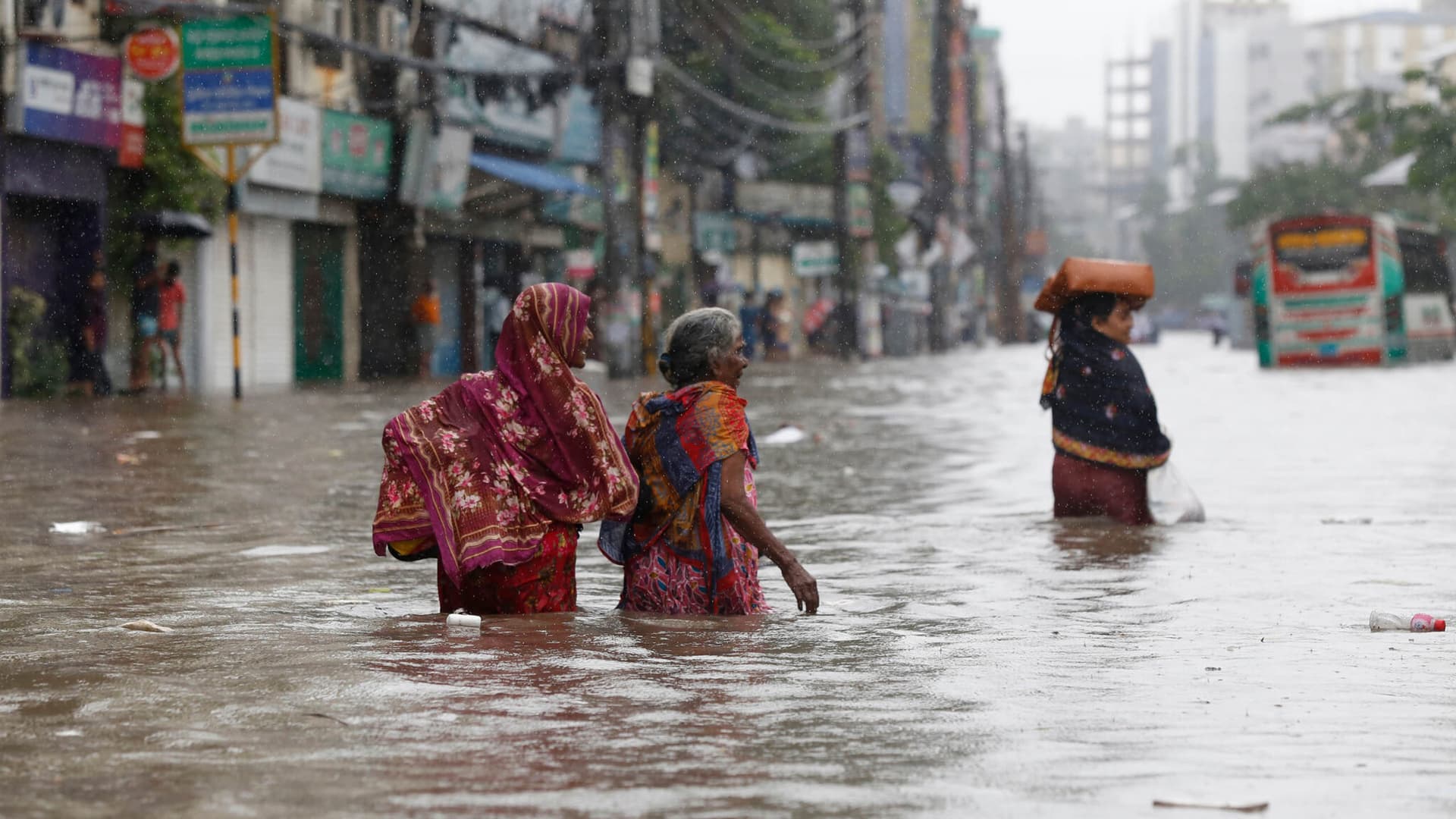
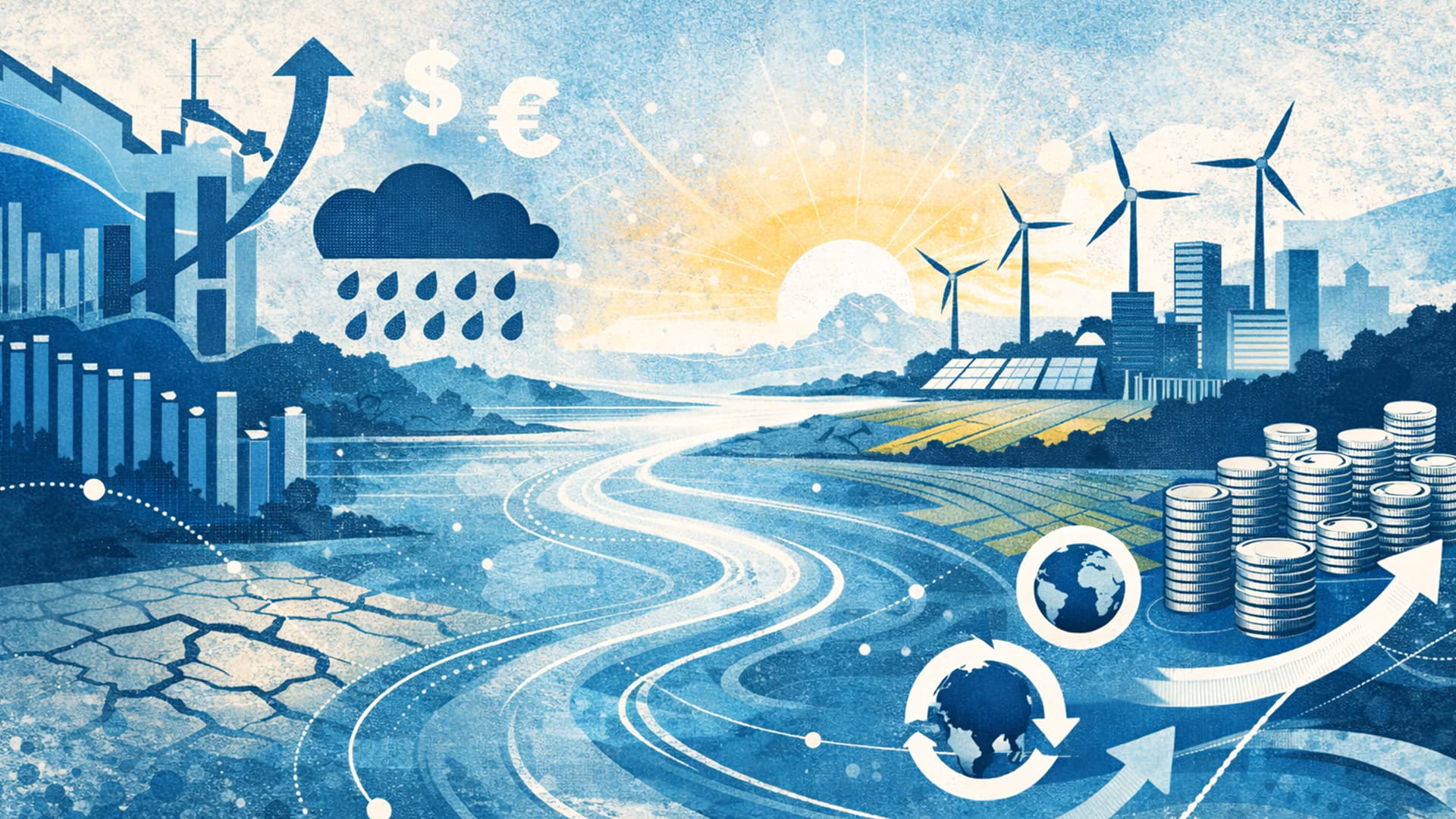
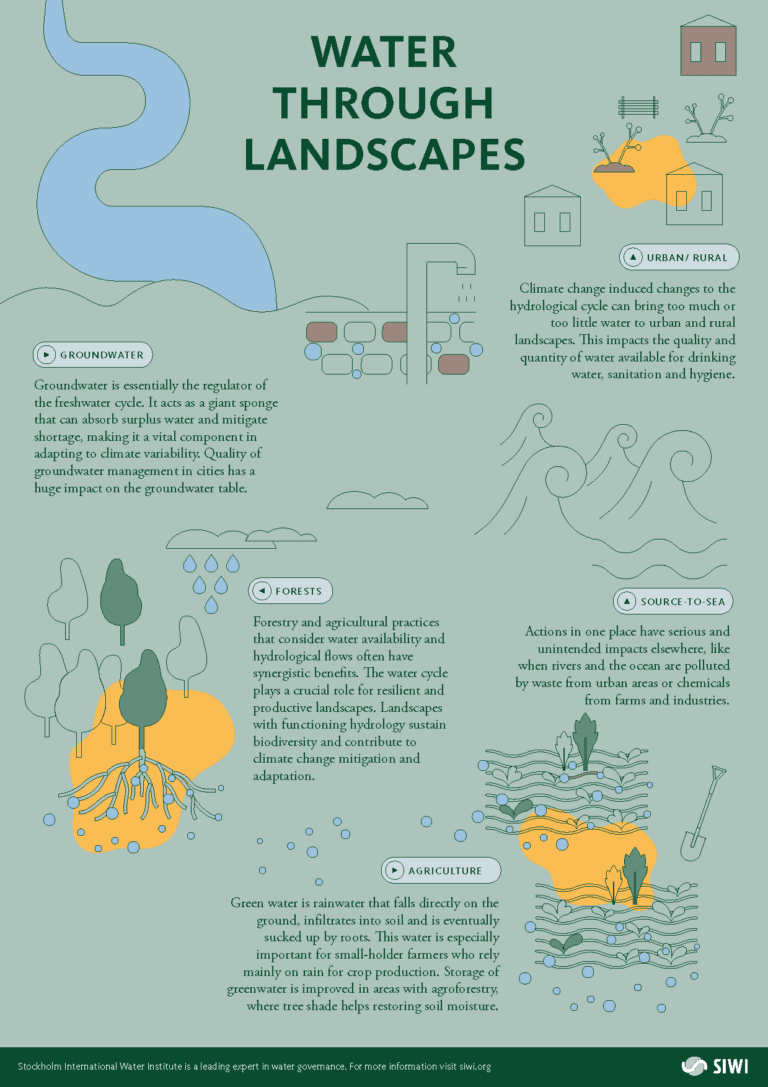
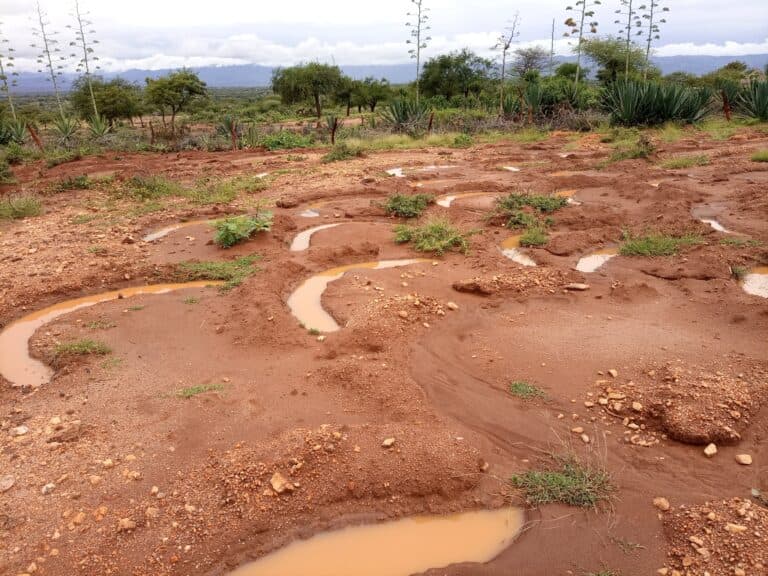
Shifts in the hydrological cycle are already disrupting food production, energy systems, cities, and natural systems. Yet responses to climate risk are often fragmented. Climate policies, water management, and investment decisions frequently operate in parallel, weakening adaptation efforts and leaving critical vulnerabilities unaddressed. When water is treated as a secondary issue, climate strategies fail to reduce risk where it matters most.
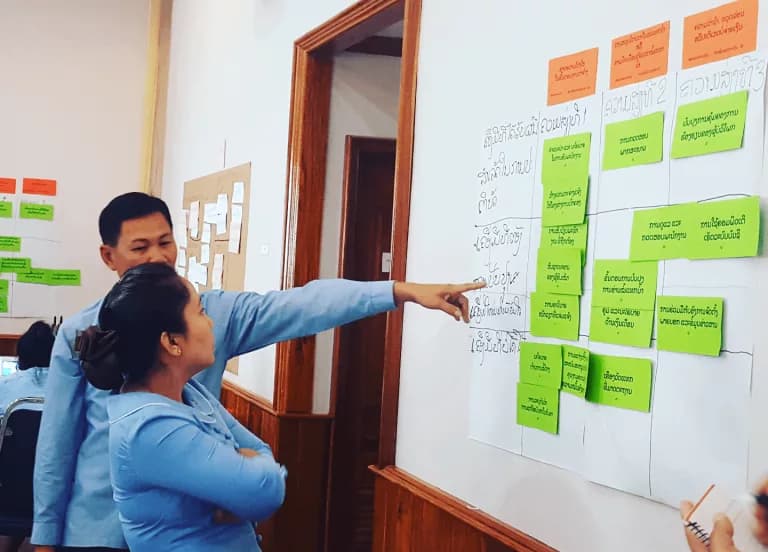
SIWI works to strengthen climate resilience by advancing water-informed climate governance. We support the integration of water into climate policies, adaptation planning, and national strategies, and help link water management with climate finance and investment frameworks. Through dialogue, policy engagement, and knowledge exchange, SIWI brings together actors across sectors and levels to align climate action with how water systems actually function.
By placing water at the centre of climate resilience, SIWI helps enable more effective adaptation, reduce the impacts of climate extremes, and support long-term stability for people, ecosystems, and economies. Managing water-related climate risk is not only essential for adaptation, but for sustaining development in an increasingly uncertain world.