Stay informed
SIWI newsletter
Receive SIWI’s latest news, events, reports and jobs directly in your inbox.
You can unsubscribe at any time.

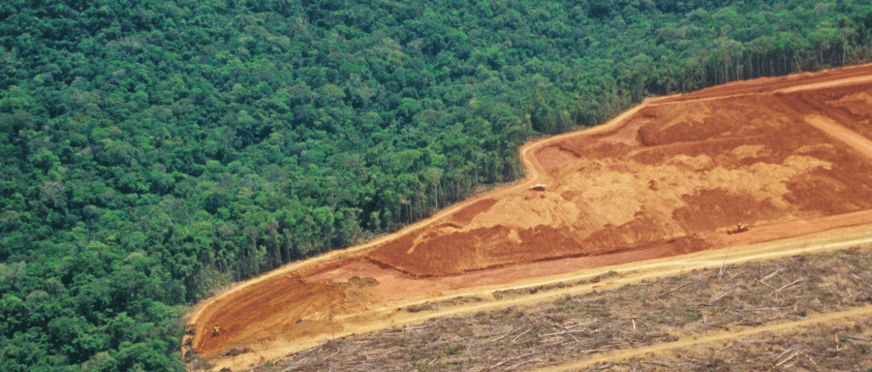


A fifth of countries worldwide are at risk of ecosystem collapse, according to an assessment from a Swiss insurance company. Other studies point in the same direction and the Intergovernmental Science-Policy Platform on Biodiversity and Ecosystem Services (IPBES) warns that the biodiversity crisis is of the same magnitude as the climate crisis and must receive the same attention.
But alternatives exist. All over the world, people are developing new forms of landscape and water management that work with nature and enhance ecosystem services, instead of depleting them. SIWI is actively promoting the transformation of agriculture, forestry, and urban planning to support the ecosystems on which we all depend.
In a recent article, SIWI Swedish Water House’s Landscapes team and partner organizations describe promising approaches that can lead to better landscape management:
These transformations of land-use practices are gaining traction in different parts of the world and SIWI is actively supporting this development. But much more needs to be done to achieve lasting change. As we are now heading into the UN Decade on Ecosystem Restoration, it is time for a systematic and integrated approach to policies and practices in landscape use and management.
At the international level, as well as within countries, the protection of ecosystem services must be given top priority. Today, financial incentives often encourage short-sighted priorities that seek to maximize output from farms and forests even if it leads to increasing water scarcity and degraded soils. This is something we can no longer afford – to avoid catastrophic ecosystem collapses we need to manage water and land more sustainably.