Stay informed
SIWI newsletter
Receive SIWI’s latest news, events, reports and jobs directly in your inbox.
You can unsubscribe at any time.

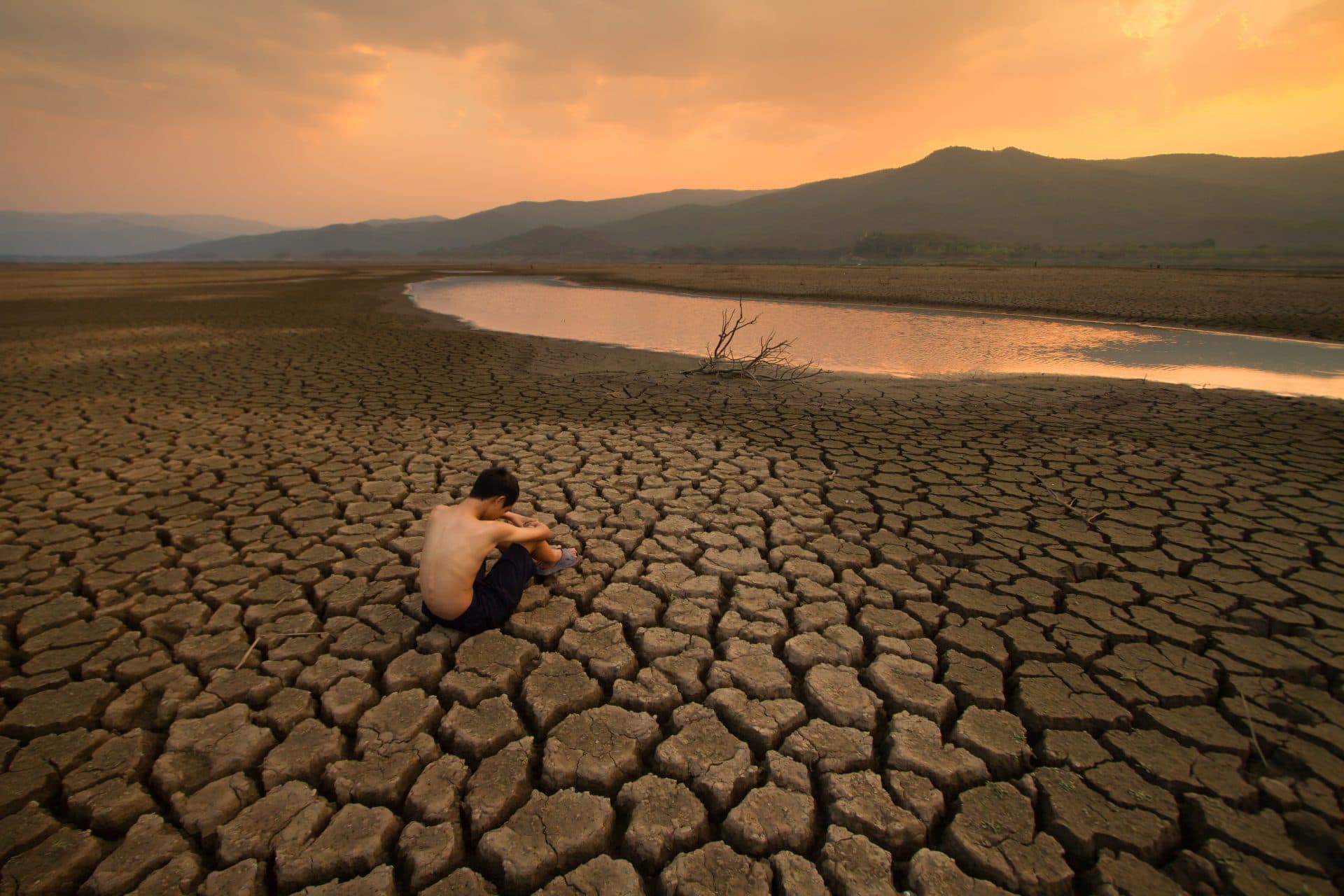

Impacts, adaptation, and vulnerability to climate change have been the focus of the second working group contributing to the Sixth Assessment Report of the Intergovernmental Panel on Climate Change, IPCC. The group presented its findings on 28 February after reviewing 34,000 scientific papers from 675 authors.
The report is the starkest yet, showing how climate change is having much more dramatic consequences at lower temperatures than anticipated just a couple of years ago. Already today close to half the global population live in risk areas that are particularly vulnerable to climate change. Parts of Africa, Asia, and Latin America are experiencing growing food and water shortages; the same areas are also particularly at risk of storms and floods. All societies on Earth are however impacted to some degree.
“This report is a dire warning about the consequences of inaction,” said Hoesung Lee, Chair of the IPCC. “It shows that climate change is a grave and mounting threat to our wellbeing and a healthy planet. Our actions today will shape how people adapt and nature responds to increasing climate risks.”
Speaking at the same press conference, the UN Secretary-General António Guterres called the new IPCC report a “damning indictment of failed climate leadership” since relatively little investment has so far gone into climate adaptation. He called for the international community to immediately ramp up commitments.
The IPCC report has assessed the feasibility of various adaptation strategies to help decision-makers prioritize the most effective measures. Given that climate change is primarily experienced in the form of too much or too little water, many of the highlighted strategies focus on water management.
The insights from IPCC’s second working group are well in line with the recommendations from SIWI. It is especially noteworthy how there is growing scientific consensus on the role of nature, which was less well understood around the time of the Fifth Assessment report back in 2014.
“The message from IPCC is certainly very worrying, but it also demonstrates the untapped potential of many powerful climate solutions. It is of highest importance that we work with integrated approaches, including nature-based solutions, to develop water-related strategies that both reduce emissions and help us adapt to unescapable consequences of climate change,” says Dr Malin Lundberg Ingemarsson, climate and landscapes specialist at SIWI.
