Stay informed
SIWI newsletter
Receive SIWI’s latest news, events, reports and jobs directly in your inbox.
You can unsubscribe at any time.

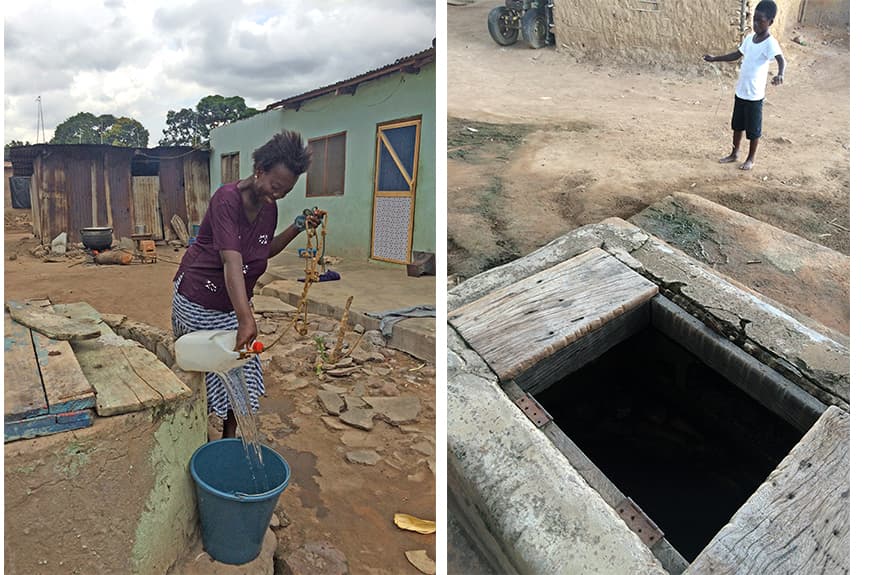
Water insecurity is a growing global concern. A range of factors, including urbanization, put pressure on water supply systems. Groundwater resources offer opportunities to improve resilience against recurring droughts and chronic surface water shortages.
In Accra, just as in many growing cities of the Global South, increasing demand for water is often met with large infrastructure investments in surface water schemes and an ever-expanding piped network. Groundwater is often dismissed with a general reference to its low quality and health risks. But for end-users—particularly poor (peri-) urban households—‘resilience’ translates into managing, on an every-day basis, to access water from different sources, for different purposes. To ensure universal and equitable access to safe and affordable drinking water by 2030, planners and decision makers should learn from the coping mechanisms of poor households, by developing a diversification approach.
Based on a case study of Dodowa, a low-income township of some 12,000 people on the outskirts of the Greater Accra region in Ghana, a new paper by SIWI’s Dr Jenny Grönwall brings the following recommendations: