Stay informed
SIWI newsletter
Receive SIWI’s latest news, events, reports and jobs directly in your inbox.
You can unsubscribe at any time.

The link between climate change and human water security receives little attention. Sanitation in particular remains under-explored. In this event, SIWI and WaterAid seek to elevate the discussion around human water security and climate with decision-makers, practitioners and non-state actors.
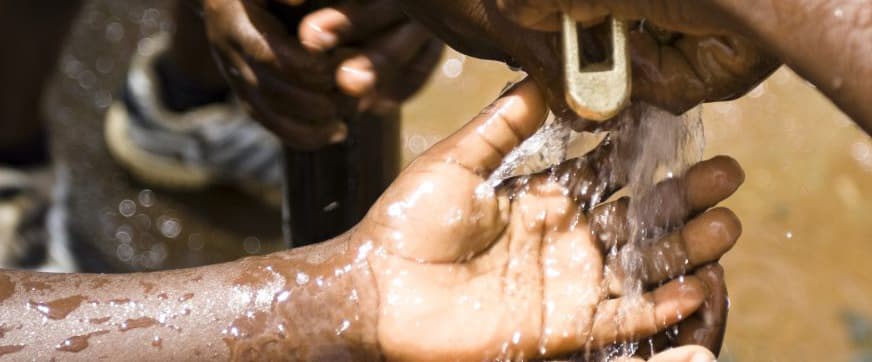
The link between climate change and human water security receives little attention. Sanitation in particular remains under-explored. In this event, SIWI and WaterAid seek to elevate the discussion around human water security and climate with decision-makers, practitioners and non-state actors.
Context:
Climate change has severe consequences on the sustainability of water, sanitation and hygiene services. Waterborne diseases – such as cholera and other gastrointestinal problems – often occur after severe precipitation events. Droughts make water sources more distant, increasing the time to fetch water and cause increased concentrations of effluent pathogens compromising water safety. Floods destroy latrines and communities revert to open defecation or sewage overwhelms treatment plants, contaminating surface water. Poor and marginalised communities in all countries are disproportionately affected. Climate-resilient and sustainable water, sanitation and hygiene services will be an essential element of any community that is considered resilient to climate change. And yet, many questions remain as to how the Paris Agreement, 2030 development agenda and associated climate financing mechanisms, can support sustainable water and sanitation interventions.
Event Objective:
For a complete overview of our events at COP22 visit the SIWI at COP page.