Stay informed
SIWI newsletter
Receive SIWI’s latest news, events, reports and jobs directly in your inbox.
You can unsubscribe at any time.

When the climate change conference COP26 in Glasgow ended on 13 November, it was with a compromise that will not deliver necessary emission cuts or global transformations, especially not after a last-minute intervention that weakened the position on the phasing out of coal. But this should not overshadow that the Glasgow Climate Pact does raise the level of ambition in some important ways and strengthens the case for water-related climate solutions.
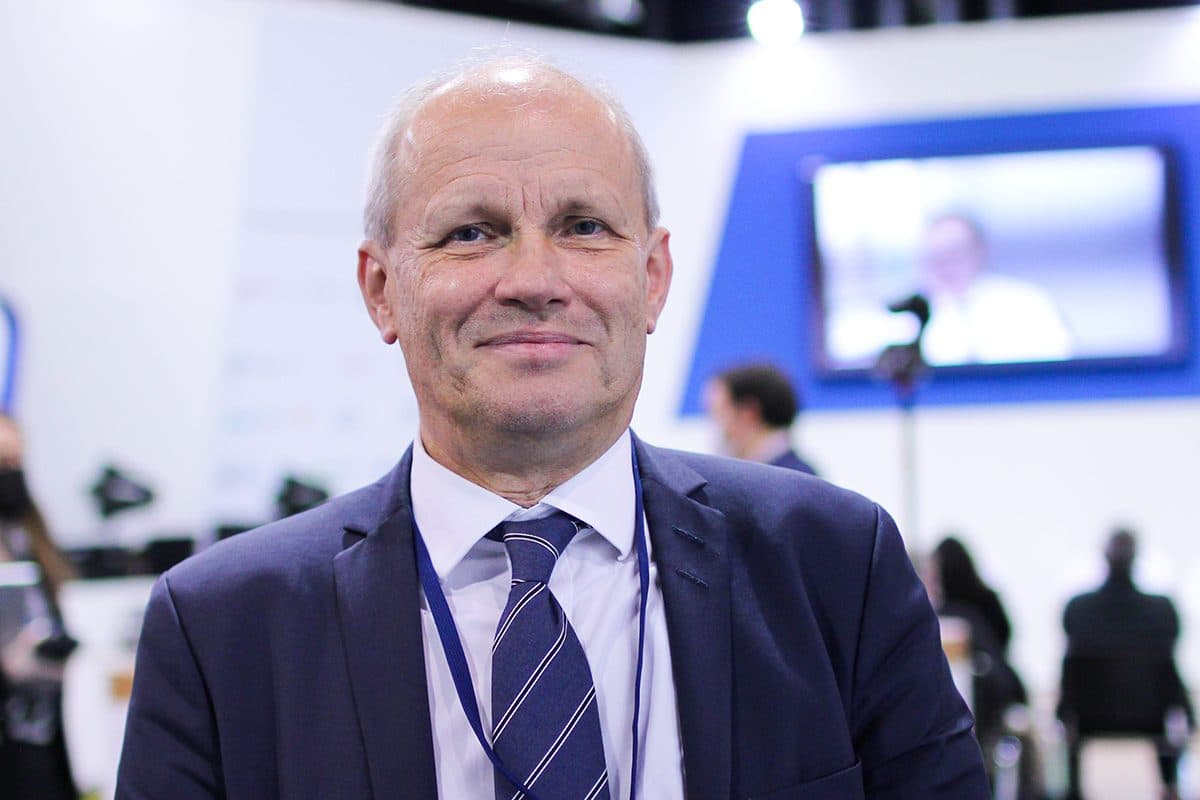
With many years of experience from climate negotiations, he feels that the critical role that water plays finally has got a central place at the climate talks. This is a result of both the increased recognition of nature and the fact that adaptation is given a much greater prominence than in previous years. Furthermore, the Glasgow agreement means that countries need to ratchet up their climate commitments more frequently to deliver on the Paris Agreement.
“After COP26 I expect more countries to place water at the front and centre of their climate policies,” Torgny Holmgren says. “By improving how water is managed they can achieve fast transformations that simultaneously reduce greenhouse gas emissions and accelerate adaptation. One example is how investments in rainfed agriculture in Sub-Saharan Africa can protect smallholder farmers from hunger while strengthening nature’s ability to sequester carbon. Similarly, wetlands act as buffers against flooding and droughts but also as greenhouse gas sinks.”
This kind of water-related climate action can fast-track progress in the coming years but will also require greater investments in the countries concerned – mainly in the Global South – as well as more financial support from high-income countries. The Glasgow meeting fell short of solving the overall question of funding, including the contentious question of loss and damages, but high-income countries are now urged to double their collective provision of financial support to adaptation from 2019 levels by 2025.
COP26 clearly demonstrated the need to rebuild trust between countries as well as between civil society organizations campaigning for bolder action and government negotiators. The Glasgow Climate Pact reflects this with important mentions of climate justice, intergenerational equity, rights of indigenous peoples, and gender equality, but these perspectives must influence climate decisions at all levels.
Summarizing COP26, Torgny Holmgren says that though the outcome leaves much to be desired, he feels that there are new opportunities to be seized. The meeting did take some steps in the direction he, Professor Johan Rockström and other leaders had called for in the lead-up to COP26, such as a greater recognition of the significance of nature and a stronger focus on adaptation. The statement also asked countries to include water perspectives in all decision-making on climate, for example when designing new food systems or energy policies.
“At COP26, SIWI and other organizations held the first-ever Water Pavilion to help negotiators and others understand the role of water in many different types of climate decisions. The pavilion was a clear success, and we see a strong need to continue this advocacy. It is crucial that decision-makers understand the connection between water and climate,” says Torgny Holmgren.