Stay informed
SIWI newsletter
Receive SIWI’s latest news, events, reports and jobs directly in your inbox.
You can unsubscribe at any time.

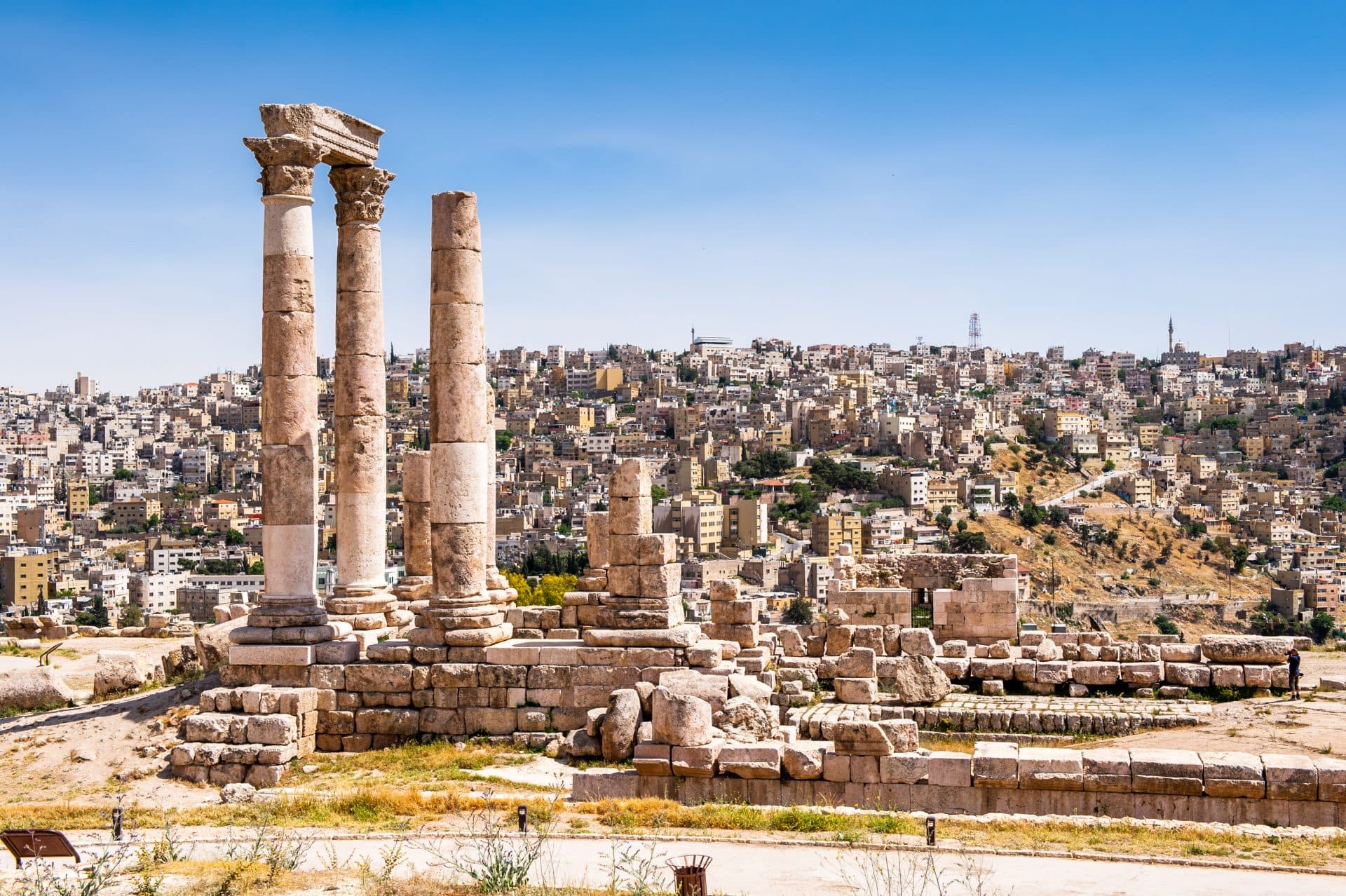
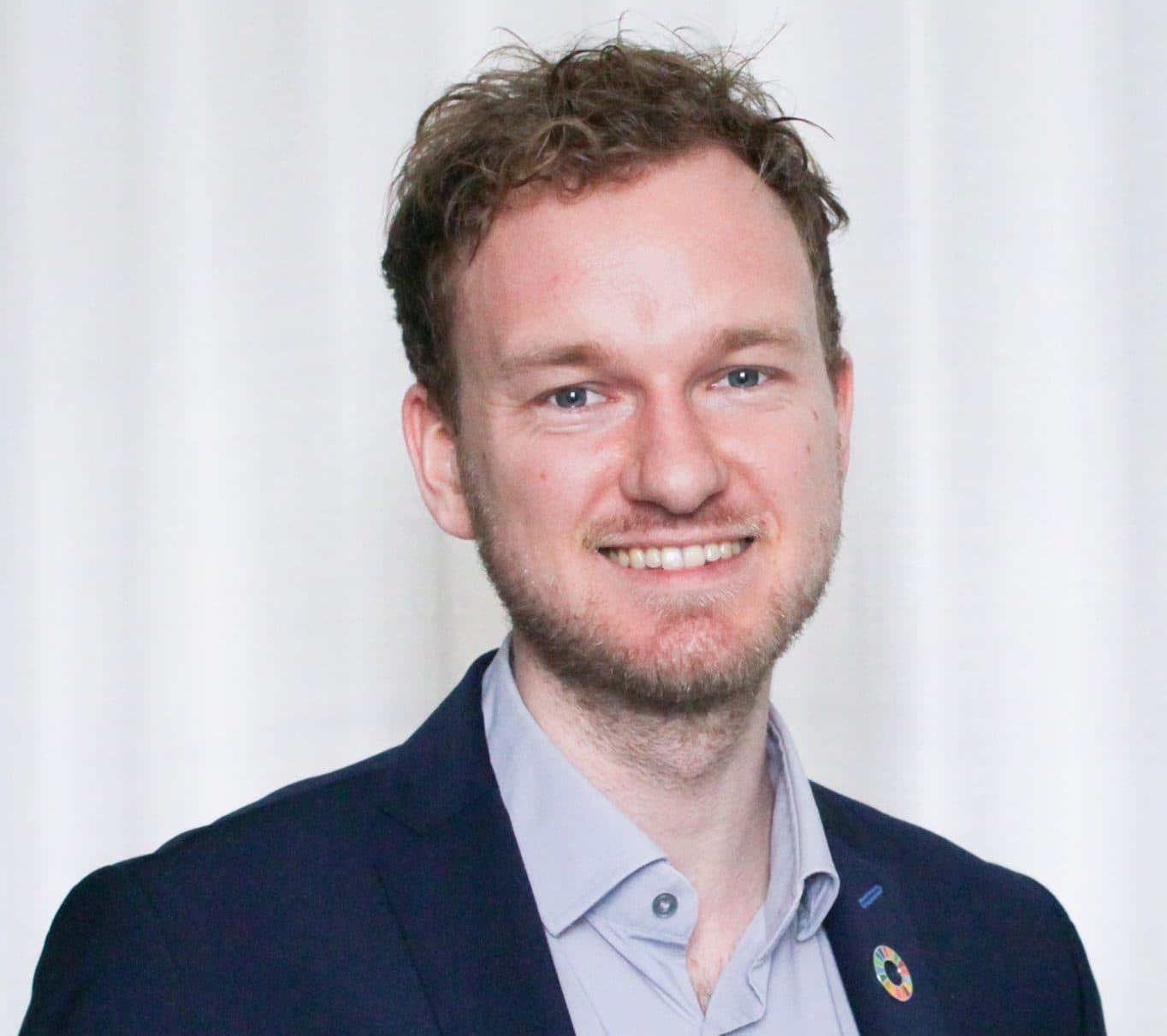
SIWI’s regional engagement is increasing. After Pretoria and Bogotá another regional presence opened. Located in the capital of Jordan, Amman, the new office will cover operations in WANA region.
The region includes some of the most water stressed countries in the world. With population growth and climate change, water challenges are expected to increase further. Just recently, the World Bank warned that by 2030, countries in the region will fall below the absolute water scarcity threshold. Countries affected by armed conflict face even more water scarcity challenges. Disruptions in the water supply, for example, can lead to significant bottlenecks that worsen the humanitarian conditions of the affected population.
SIWI aims to assist in responding to water governance challenges in the region and the new office in Amman marks a vital step in strengthening SIWI’s engagement. The city of Amman is a regional hub for international and development organizations. As Moez Allaoui, Senior Manager, says: “the regional office allows us to work much more closely with our partners.” Lara Nassar, Programme Manager, adds that “having Arabic speaking staff with regional knowledge permanently on the ground will tremendously help our operations going forward.”
SIWI experts in the WANA office will operate in close collaboration with other SIWI staff around the world and serve as a bridge between the rest of the organization and the region. The office will also engage in advocacy and provide technical assistance needed in the region.
One of its focuses will be around water, sanitation, and hygiene (WASH). There is “a high demand for WASH related issues in the region”, says Nassar. The regional office is working in close collaboration with UNICEF country offices and supports local, national, and regional government bodies as well as international nongovernmental organizations around strengthening WASH services in the face of climate change and water scarcity.