Stay informed
SIWI newsletter
Receive SIWI’s latest news, events, reports and jobs directly in your inbox.
You can unsubscribe at any time.

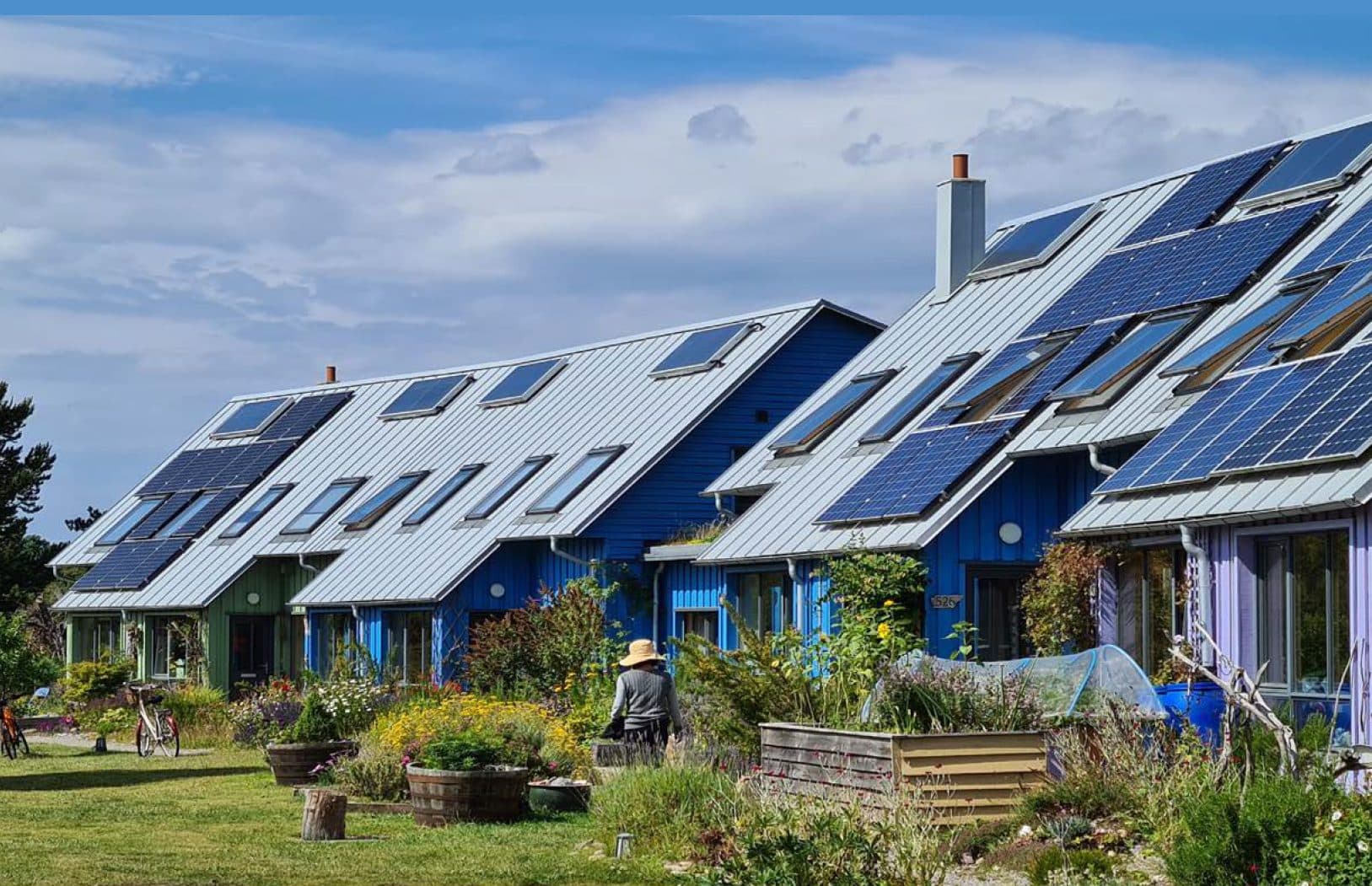

“It is now or never,” said the co-chair Professor Jim Skea when he presented the findings of the third working group contributing to the IPCC’s Sixth Assessment Report at a press conference on 4 April.
The working group has reviewed the science on mitigation strategies and shared two main messages. First of all, Skea and colleagues emphasized the urgency. Greenhouse gas emissions must peak already in 2025 and be halved by 2030 if we are to have any chance of reaching the 1.5 degrees Celsius aspirational goal of the landmark 2015 Paris Agreement. Second, they believe that this is still possible, and pointed to already existing solutions within every sector of society.
But to make this happen, we must be not only carbon-smart but also water-wise, note Dr Malin Lundberg-Ingemarsson and Josh Weinberg. This is because many of the transformations highlighted in the IPCC report depend upon access to water or will have a significant impact on freshwater ecosystems. Some potential climate solutions could face real problems if plans fail to assess water risks.
Here are some of the most critical water aspects to consider:
SIWI colleagues Dr Malin Lundberg-Ingemarsson, Dr Thérèse Rudebeck, Professor Anna Tengberg, and Josh Weinberg are currently working together with Dr Lan Wang Erlandsson of the Stockholm Resilience Centre (SRC) and additional partners on a research project to improve knowledge about the role of water in climate mitigation.
The project is conducted together with the United Nations Development Programme (UNDP), the Deutsche Gesellschaft für Internationale Zusammenarbeit (GIZ) on behalf of the German Federal Ministry for Economic Cooperation and Development (BMZ), the Potsdam Institute for Climate Impact Research (PIK) the SRC.
A report is due to be released in June 2022.