Stay informed
SIWI newsletter
Receive SIWI’s latest news, events, reports and jobs directly in your inbox.
You can unsubscribe at any time.

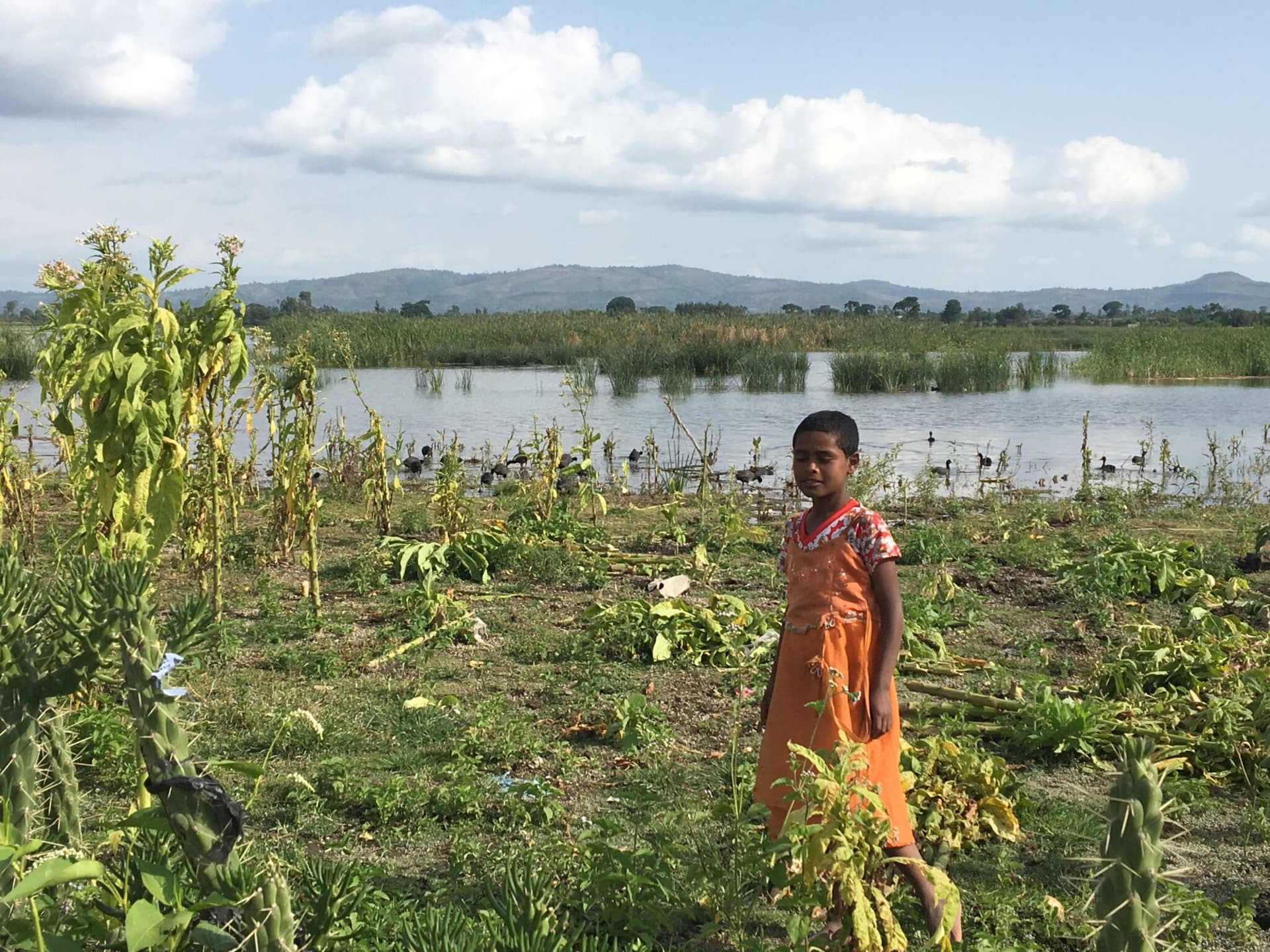

The report provides evidence that investments in water and sanitation can deliver results. Since 2015, nearly one billion additional people have gained access to safely managed drinking water services, while access to sanitation and hygiene has also expanded significantly.
These gains demonstrate that progress is possible when political commitment, financing, and institutions align. For Anna Tengberg, this is one of the report’s most encouraging messages.
“There is sometimes a tendency to focus only on what is not working,” she says. “But the report shows that progress is possible when water is politically prioritized, adequately financed and supported by strong institutions.”
At the same time, progress remains uneven and insufficient to achieve SDG 6 by 2030. Large disparities persist between and within countries, and many of the people still left behind are among the most vulnerable.
“The challenge is no longer understanding what works,” says Tengberg. “The challenge is accelerating implementation and ensuring that successful approaches reach those who are still being left behind.”
For policymakers, this is an important reminder that water investments generate tangible results. The question now is how to scale successful approaches more quickly and maintain momentum in a period of increasing pressure on public resources and development budgets.
One of the report’s most important findings concerns the state of freshwater ecosystems.
Rivers, lakes, wetlands and groundwater systems underpin climate resilience, biodiversity, food production, and human well-being. Yet degradation remains widespread, and the report highlights continued pressures on freshwater ecosystems in many parts of the world. It also points to worsening trends in river flows across all SDG regions.
This matters far beyond the water sector. Healthy freshwater ecosystems regulate water flows, support biodiversity, reduce disaster risks, sustain food production, and help communities adapt to climate change. When these systems deteriorate, the impacts are felt across society.
“Freshwater ecosystems are often overlooked despite being fundamental to resilience,” says Tengberg. “If we continue to lose wetlands, degrade rivers and overexploit groundwater, it becomes much harder to achieve goals related to climate, biodiversity, desertification and sustainable development.”
The report therefore points to the need for stronger integration between water governance, management, and other sectors. Protecting and restoring freshwater ecosystems should be viewed as an essential part of climate planning, biodiversity conservation, sustainable land management, and development strategies.
Perhaps the most significant lesson from the report is that many of the remaining barriers to progress are no longer primarily technical. They are institutional.
Over the past decade, water has become increasingly visible in climate plans, biodiversity strategies, landscape restoration initiatives, and national development frameworks. Yet implementation often remains fragmented. Different ministries, funding mechanisms and policy processes continue to operate in parallel, limiting opportunities for synergies, collaboration, and impact.
According to Tengberg, this is where the greatest opportunity now lies.
“The report makes clear that future progress depends on our ability to work across sectors,” she says. “Water can serve as a practical entry point for connecting climate action, biodiversity conservation, forest and landscape restoration and development priorities. The challenge is creating the governance systems, capacity, financing mechanisms, and partnerships needed to make that happen.”
This message is particularly relevant as governments prepare for the 2026 UN Water Conference. The next phase of global water action will not only require new commitments, but also better implementation and use of existing funding.
The report highlights the need for stronger coordination, improved governance, and more effective financing. It also reinforces a growing recognition that water should not be treated as a standalone sector, but as a foundation for progress and connector across multiple policy agendas.
The SDG 6 Synthesis Report offers a balanced assessment of the past decade. It documents real progress while highlighting the scale of the challenges that remain.
For Tengberg, the report ultimately points to a broader shift in how water is understood and governed.
“Water is one of the few issues that connects almost every part of the sustainable development agenda,” she says. “If we want faster progress on climate, biodiversity, food security, resilience and human well-being, then water needs to be treated as a foundation rather than a sector.”
As the world enters the final stretch towards 2030, the report provides a timely reminder that accelerating water action is not only about achieving SDG 6. It is about creating the conditions for progress across the Sustainable Development Goals as a whole.