


















Stay informed
SIWI newsletter
Receive SIWI’s latest news, events, reports and jobs directly in your inbox.
You can unsubscribe at any time.


Water governance directly affects people’s lives — from health and livelihoods to safety, dignity, and opportunities. Yet many groups still face barriers to participating in decisions that shape their access to water and their resilience to climate change. Corruption, inequality, discrimination, and exclusion weaken governance systems and limit the effectiveness of solutions.
This thematic area focuses on ensuring that water governance respects rights, includes diverse perspectives, and drives transformative change toward more equitable and just water systems.
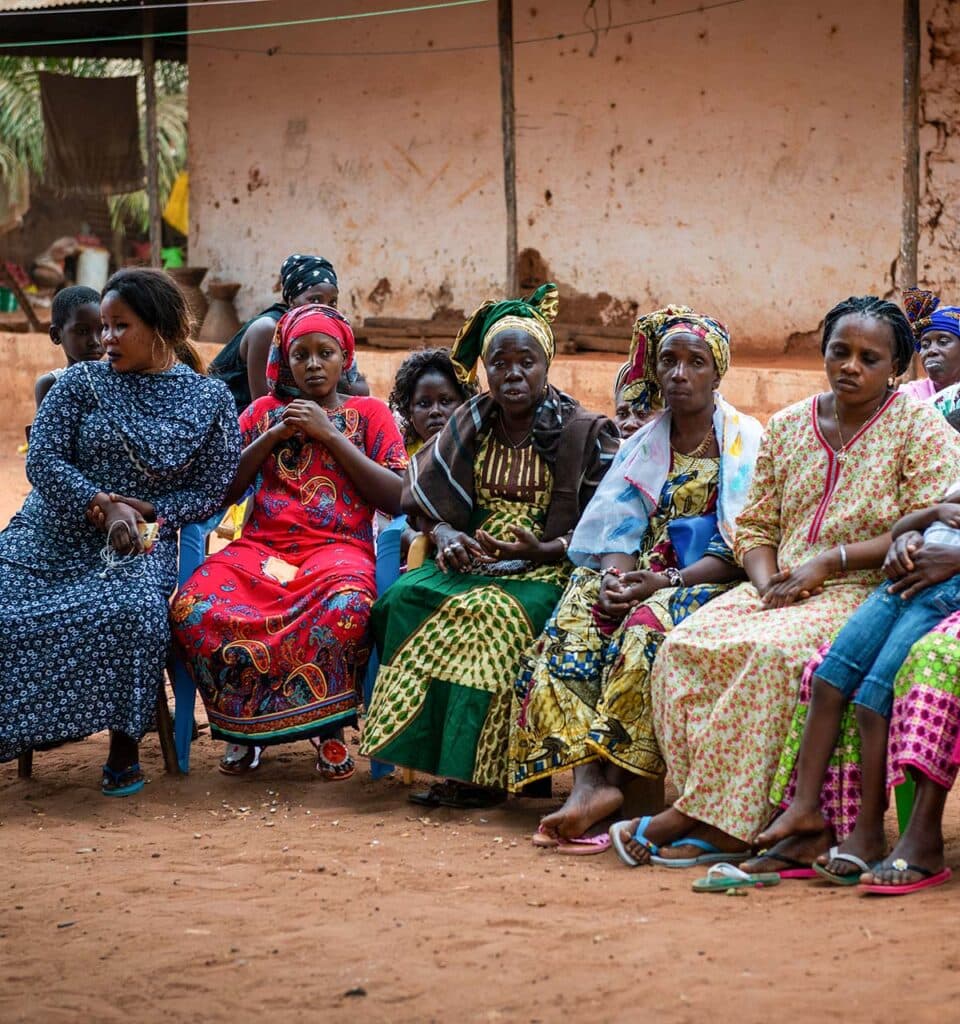
Climate change and growing water stress are amplifying existing inequalities. Women, youth, Indigenous Peoples, and marginalized communities are often disproportionately affected by water insecurity yet have limited influence over decisions. Governance systems that fail to represent all voices risk deepening inequities and undermining resilience.
Inclusive, rights-based governance ensures that policies are grounded in fairness, accountability, and local realities — strengthening both social and environmental outcomes.
Human rights principles provide a foundation for fair, transparent, and accountable governance. Applying these principles helps ensure that water policies and institutions protect people’s dignity and address inequalities.
We support rights-based governance by:
Grounding water governance in human rights strengthens both legitimacy and long-term sustainability.

Inclusive governance requires recognizing and valuing the knowledge, leadership, and rights of groups often excluded from decision-making. Strengthening their role improves solutions and creates more resilient societies.
We promote diverse leadership by:
A broader range of voices leads to governance that is more just, effective, and representative.

Fair water governance depends on participation at every level — from community processes to national and transboundary decision-making. Inclusive engagement strengthens legitimacy, improves implementation, and ensures that solutions reflect real needs.
We support equitable participation by:
Participation that is broad, meaningful, and informed leads to decisions that endure.