Stay informed
SIWI newsletter
Receive SIWI’s latest news, events, reports and jobs directly in your inbox.
You can unsubscribe at any time.

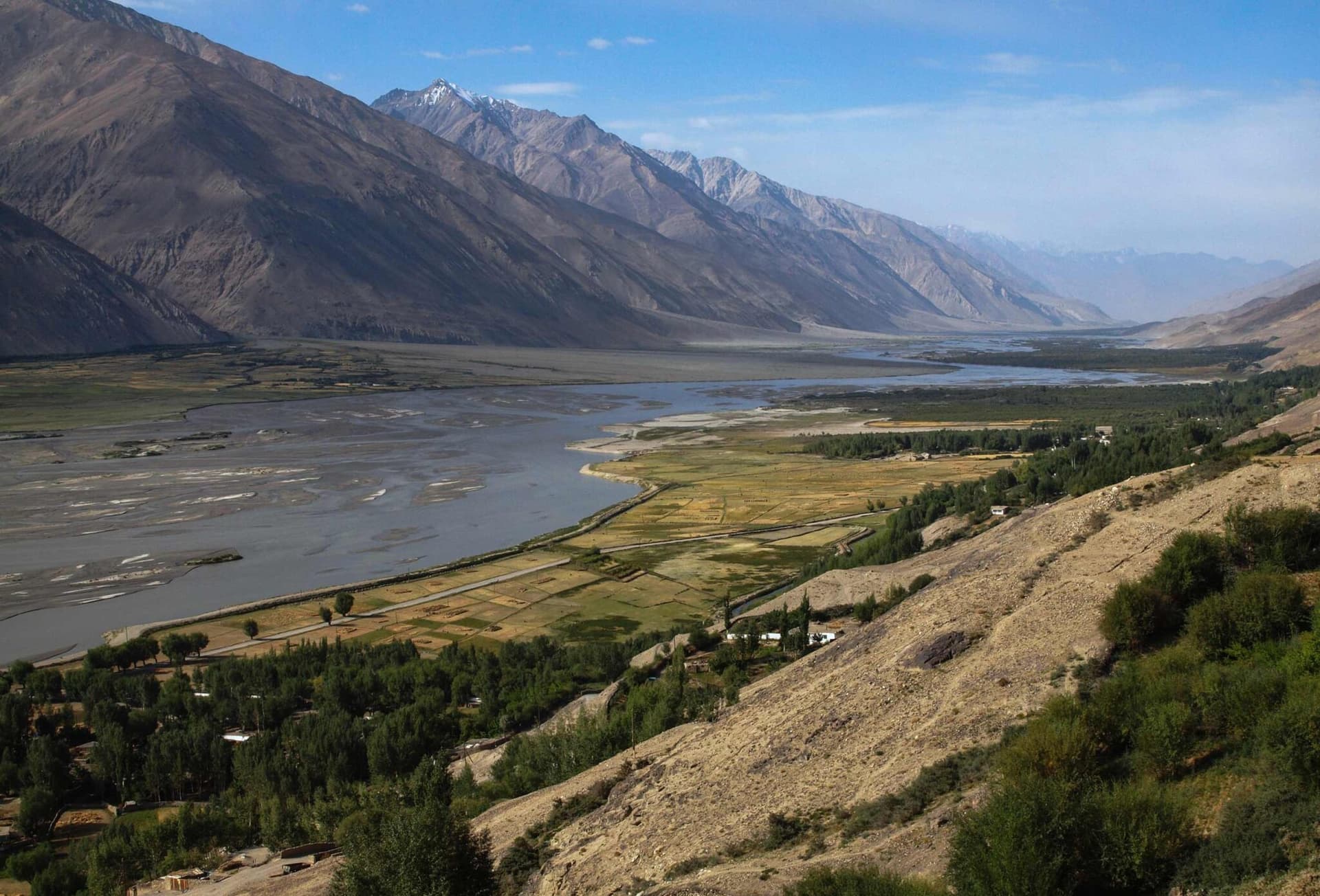

Focusing on the shared Amu Darya and Syr Darya river systems, the report highlights how climate-driven variability, governance gaps, and low water productivity are placing increasing pressure on transboundary cooperation. Afghanistan’s absence from existing regional water governance frameworks is identified as a critical challenge—particularly as large-scale infrastructure developments such as the Qosh Tepa Canal raise concerns for downstream countries.
The report finds that without improved coordination, the region risks escalating competition over water, with implications for food and energy security, migration, and progress towards the Sustainable Development Goals. At the same time, it identifies a window of opportunity: growing political will among Central Asian states and the urgent need to address shared risks could enable more inclusive and integrated cooperation—recognizing Afghanistan as a key partner in achieving long-term regional stability.
Explainers and briefs·Sep 14, 2026
Explainers and briefs·May 31, 2026
Explainers and briefs·May 19, 2026
Reports and papers·Dec 16, 2025