














Stay informed
SIWI newsletter
Receive SIWI’s latest news, events, reports and jobs directly in your inbox.
You can unsubscribe at any time.


Shared waters cooperation means working together over water resources that connect different communities or jurisdictions. It can involve neighbouring countries, but also regions and water users within a country.
Decisions in one place can affect water availability or quality elsewhere. Cooperation helps those involved understand these connections and agree how to address them. It can establish responsibilities for managing shared resources and provide ways to resolve disagreements.
Cooperation also needs to connect different levels of decision-making. An agreement between governments depends on action within each country, while local experience can help identify problems that wider arrangements need to address.
Transboundary water cooperation means countries working together over freshwater resources that cross or form international borders. It concerns shared rivers and lakes, as well as aquifers, the underground formations that hold and transmit groundwater.
Countries can cooperate by exchanging information about water conditions and coordinating how shared resources are used and protected. Agreements can establish joint institutions and procedures for addressing problems together, including pollution or drought.
Shared waters cooperation can take place within a country or between countries. The term transboundary water cooperation is used here specifically for cooperation between countries. Making it work requires coordination within each country, so that international commitments translate into action and reflect the needs of affected communities.
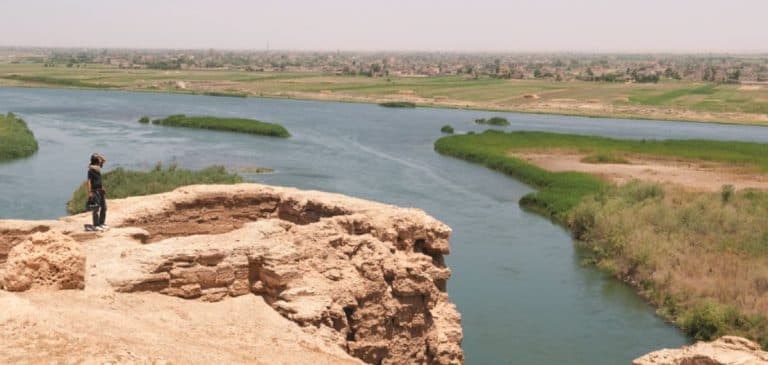
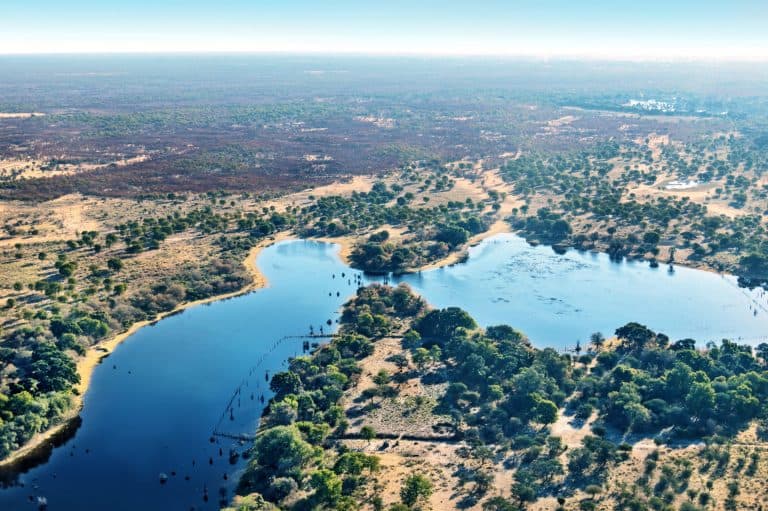
Transboundary rivers flow through more than one country or form part of an international border. Activities upstream can affect the water available downstream, making cooperation important for managing the river and protecting the people and ecosystems that depend on it.
People depend on water systems that extend beyond the boundaries of their own community or country. Upstream withdrawals can affect the water available downstream, while pollution can travel beyond the place where it originates. Cooperation helps those affected address problems that no single authority can manage alone.
Working together can improve preparedness for floods and droughts. Sharing information gives communities and authorities a better basis for responding, while coordinated planning can help prevent action in one place from increasing risks elsewhere.
Cooperation also matters for biodiversity and economic development. Protecting a shared river can sustain habitats alongside the fisheries and farming that depend on it. Considering these connections together helps participants assess how the benefits and costs of water use are distributed.
Lasting cooperation provides ways to address disagreements as conditions change. It can support more predictable relationships between countries, although its success depends on whether agreed arrangements are implemented and whose needs they serve.
Cooperation over shared waters needs arrangements that participants can use in their everyday work. These may include exchanging information about river flows or establishing a joint body through which countries discuss decisions affecting a shared basin.
For international cooperation, countries can report on their arrangements through the United Nations’ monitoring of Sustainable Development Goal 6.5.2. This voluntary reporting assesses whether arrangements are operational, including whether countries meet regularly and exchange information. It does not cover every instance of cooperation.
Within countries, coordination connects these arrangements with implementation. Authorities responsible for agriculture, for example, need to understand how decisions about irrigation affect commitments over shared water. Communities also need meaningful opportunities to contribute knowledge and raise concerns.
Arrangements must provide ways to respond when conditions change or disagreements arise. Water diplomacy can help participants negotiate those arrangements and sustain the relationships needed to make them work.
Shared water connects places governed by different authorities. Each may pursue its own development priorities, while the consequences extend beyond its jurisdiction. Storing water for hydropower, for example, can change when water reaches downstream farms or wetlands. Cooperation requires agreement about these effects as well as how much water is used.
Differences in power also shape the options available. Some participants have greater control over flows or more influence in negotiations. An agreement can formalize cooperation while leaving those inequalities unresolved, making it important to examine whose interests it serves.
Access to information can itself become a source of disagreement. Authorities may withhold data or question measurements supplied by others. Without an accepted basis for understanding water conditions, participants can struggle to assess impacts and implement commitments.
Cooperation is also shaped by relationships beyond water. Political disputes can complicate negotiations, while economic ties may create reasons to continue working together. Distrust does not rule out cooperation, but arrangements need to work even when wider relationships remain difficult.
SIWI combines research with sustained dialogue to help participants address competing interests over shared water. As an independent and impartial institute, we create opportunities to explore cooperation where political sensitivities can make engagement difficult.
Through the Shared Waters Partnership, SIWI facilitates dialogue and offers advice on building trust. The programme supports the relationships and arrangements needed for cooperation over shared water resources.
In Central Asia and Afghanistan, SIWI supports dialogue on cooperation over the Amu Darya, a transboundary river whose waters connect several countries. A regional meeting in Tashkent in March 2026 brought together experts and representatives to explore practical pathways for cooperation. This work connects water questions with wider regional interests, including energy and agriculture.
SIWI also helps practitioners develop the knowledge needed for cooperation through water diplomacy capacity development. We contributed to establishing the Women in Water Diplomacy Network, supporting women’s engagement in these processes.
The Routledge Handbook of Water Diplomacy, co-edited by SIWI’s Martina Klimes, makes practical approaches and experience available to a wider audience. It connects scientific understanding with negotiation and examines cooperation within countries as well as across borders.