Events

Stay up to date with SIWI’s latest events.

39 results

39Past Events

9 events
body of water with lone boat and boater

Event.23 Mar 2023

Commitments to Accelerate Cooperation on Water, Environment, Climate, and Peace

UNWC-WaterPeace-img

Event.23 Mar 2023

Water Cooperation for Accelerated SDG 2023 Agenda Implementation

meandering blue water

Event.22 Mar 2023

Source to Sea events at the UN 2023 Water Conference

NYWW_event-WhatsNext

Event.20 Mar 2023

What’s next for water?

Welcome to a forward-looking and inspiring discussion about what needs to happen after the UN 2023 Water Conference. What are the next big steps for water?

Chapter-5-wetland

Event.16 Mar 2023

Unpacking freshwater’s role: Climate mitigation measures in freshwater systems

Freshwater ecosystems such as wetlands, rivers, and lakes are intimately linked to climate mitigation since aquatic environments can act as both greenhouse gas sinks and sources. For example, wetlands can store large amounts of carbon, but when drained they can risk releasing greenhouse gases instead.

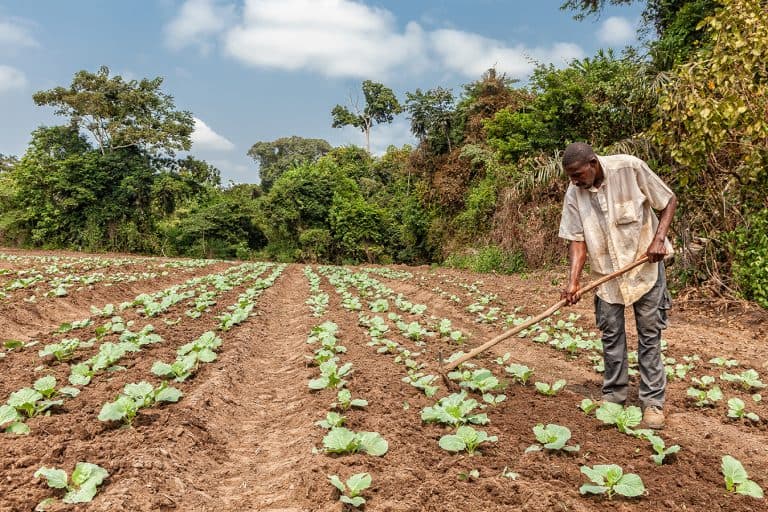
Man ploughing on a field

Event.13 Mar 2023

Climate Smart Agriculture Policy Dialogue

Skyline of New York city with UN 2023 Water Conference logo on the top

Event.2 Mar 2023

Time for Water Action – everything you need to know about the UN 2023 Water Conference 

More details to come.

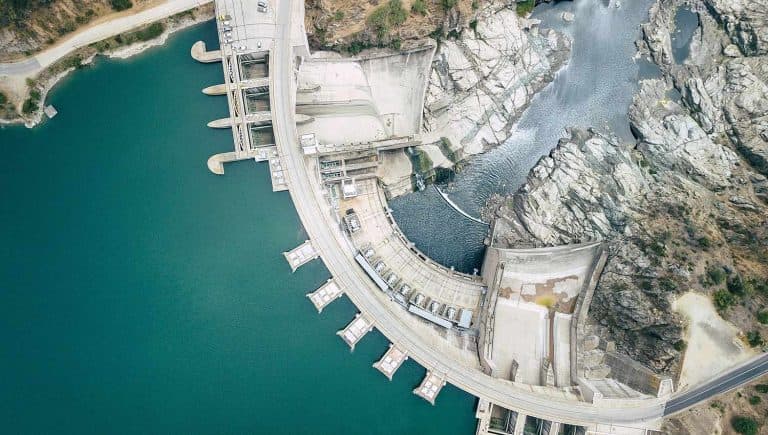
Chapter-7-dam

Event.16 Feb 2023

Unpacking freshwater’s role: Climate mitigation measures in energy systems

The transition to renewable, cleaner energy sources is pivotal to climate security. This transition can provide opportunities to reduce pressure on water sources from the energy sector but can, at the same time, pose risks that increase demand on water. It is therefore critical to consider and integrate freshwater across all aspects of the development of renewable energy sources.

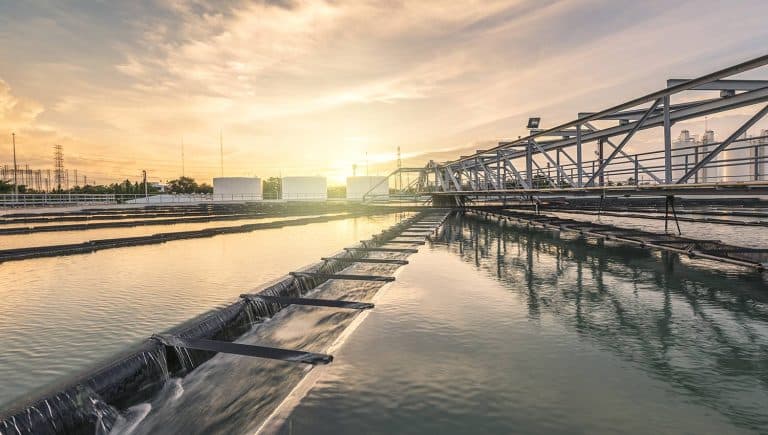
Chapter-4-WASH

Event.7 Feb 2023

Unpacking freshwater’s role: Climate mitigation measures in drinking water and sanitation services

Wastewater collection, treatment, and discharge all contribute to the direct emissions of greenhouse gases from the decomposition of organic matter. In addition, drinking-water and wastewater management are often associated with indirect emissions from energy-intensive processes. Reducing the release of greenhouse gases in wastewater, sanitation, and drinking water processes is therefore a great opportunity for climate change mitigation.


YOUR INFORMATION