



Stay informed
SIWI newsletter
Receive SIWI’s latest news, events, reports and jobs directly in your inbox.
You can unsubscribe at any time.


Turning global ideas into action requires more than a single meeting or announcement. It depends on sustained dialogue, trust, and the ability to bring diverse actors together across political moments and institutional boundaries. The development of the Principles for Just Water Partnerships offers a clear example of how World Water Week contributes to real-world impact by supporting this kind of long-term process.
The Principles for Just Water Partnerships are a practical guide designed to help governments and partners plan, finance, and govern water investments in ways that prioritise justice, equity, and long-term resilience.
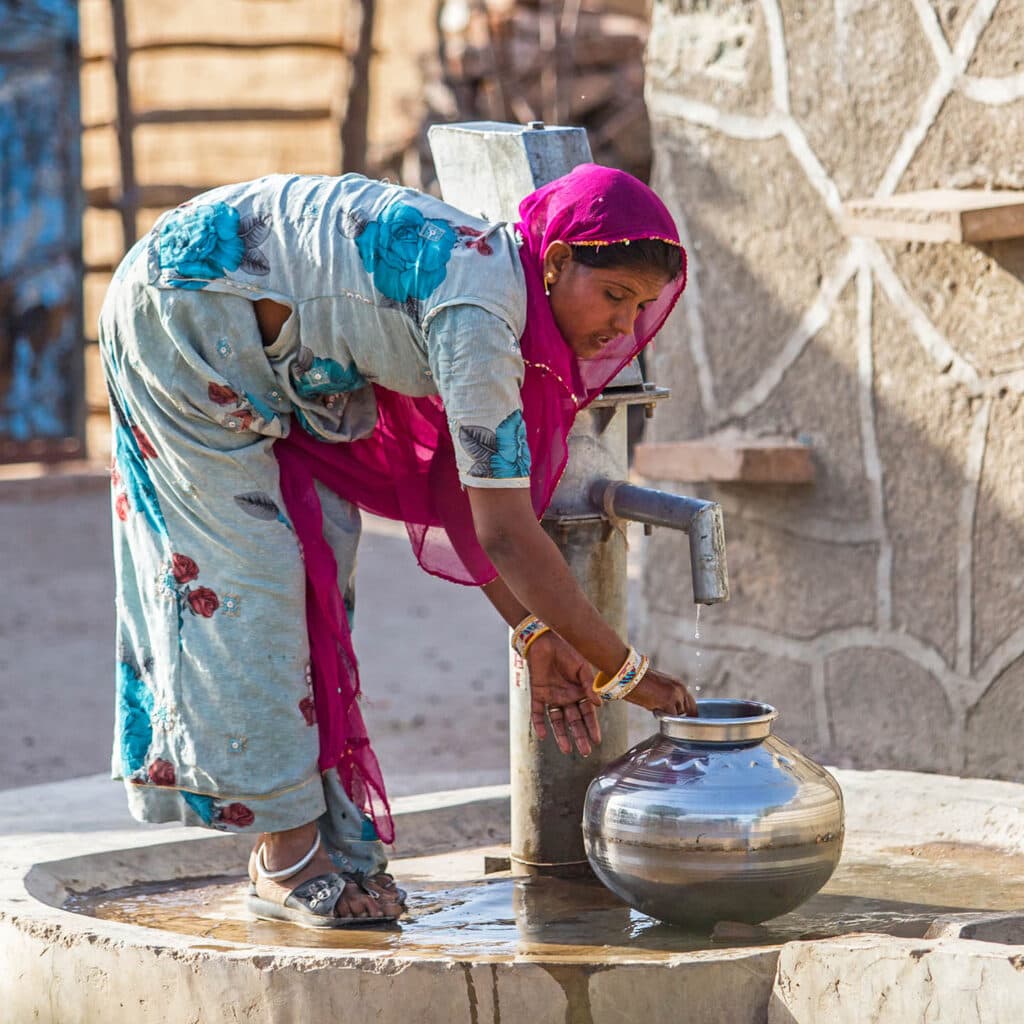
Just Water Partnerships (JWPs) were first proposed by the Global Commission on the Economics of Water as a response to deep structural challenges in water financing and governance. Despite water being central to climate resilience, health, and development, countries face a global annual funding gap of around US$140 billion in water, sanitation, hygiene, and water-resources management. Declining aid flows, rising climate risks, and weak regulatory systems make it difficult for many countries to absorb existing finance or ensure it reaches those most in need.
JWPs are designed as national coordination platforms that place justice and social equity at the centre of water investments. They aim to align national development priorities with global commitments, ensuring that water finance contributes to both local needs and the global common good.
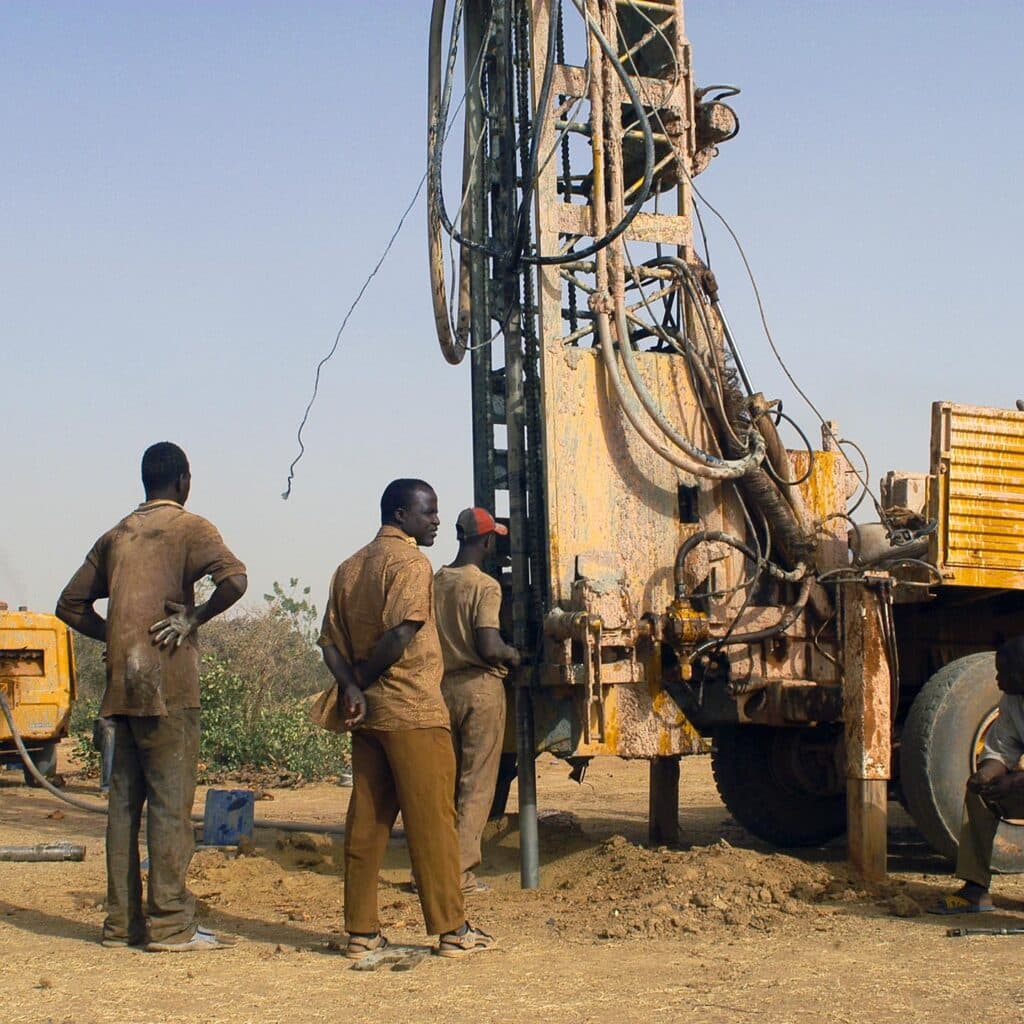
Following the Commission’s call, the International Water Management Institute and WaterAid led a broad consultation process to translate the idea of Just Water Partnerships into practical, actionable principles. Nearly 500 institutions across 34 countries were consulted, with strong participation from the Global South. National dialogues in countries such as Ghana, Madagascar, and Nepal helped ground the principles in real policy and governance contexts.
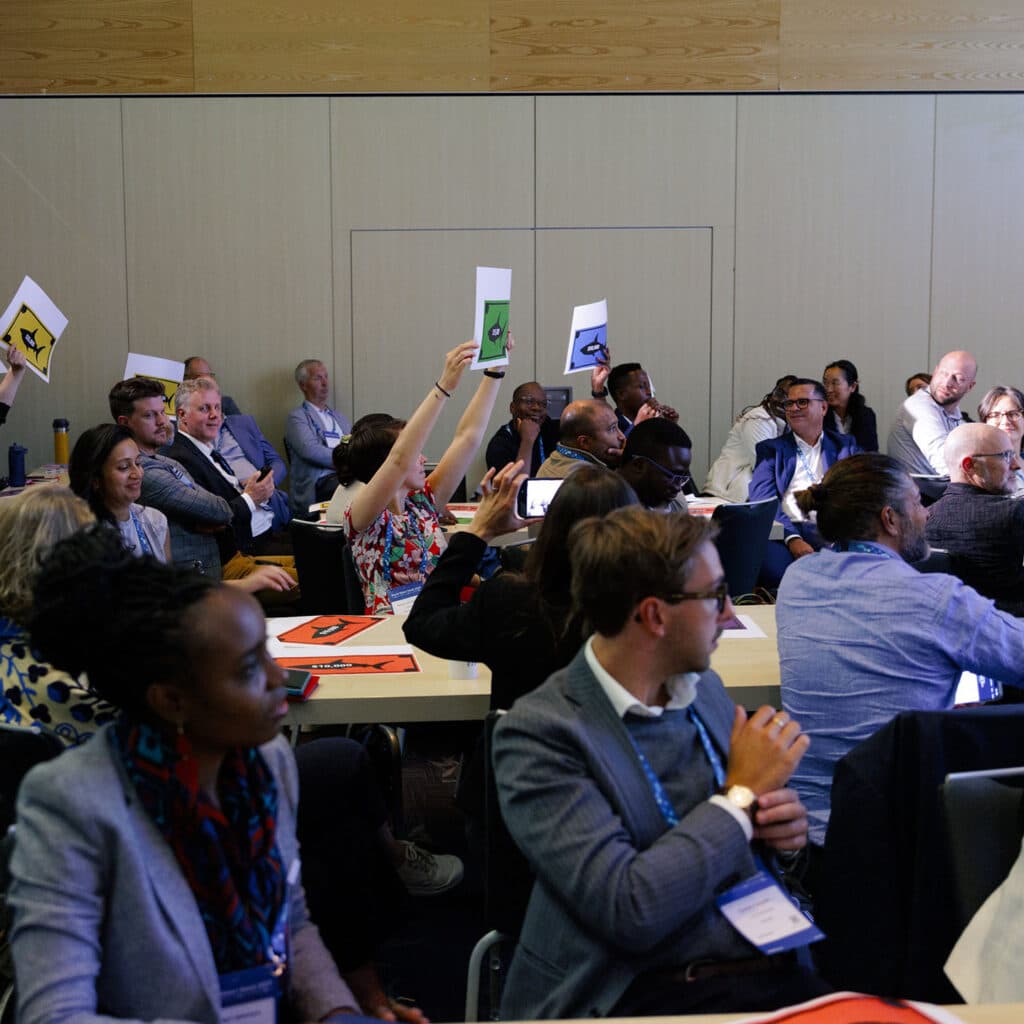
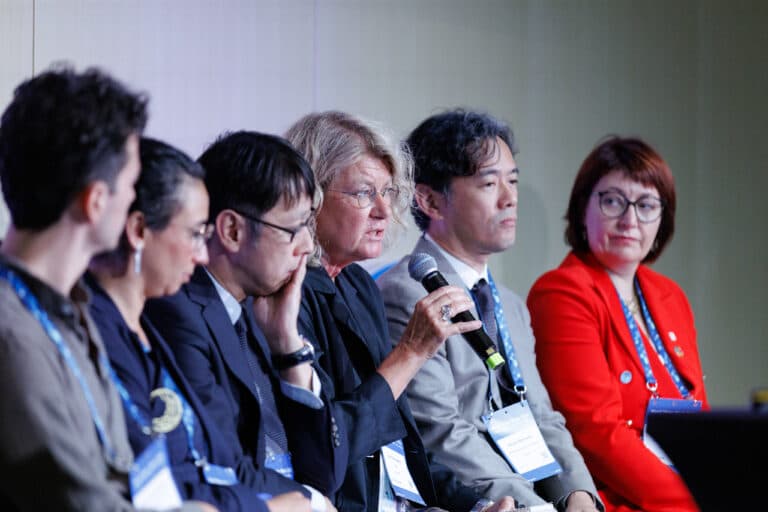
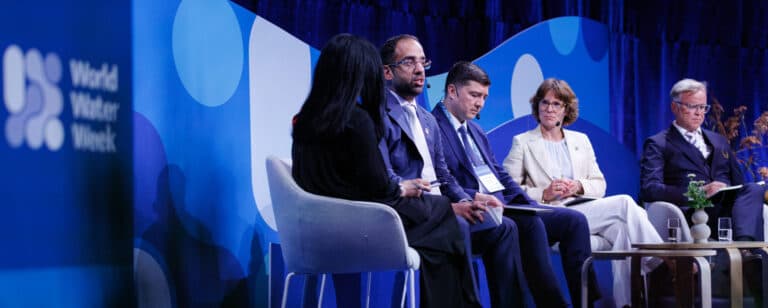
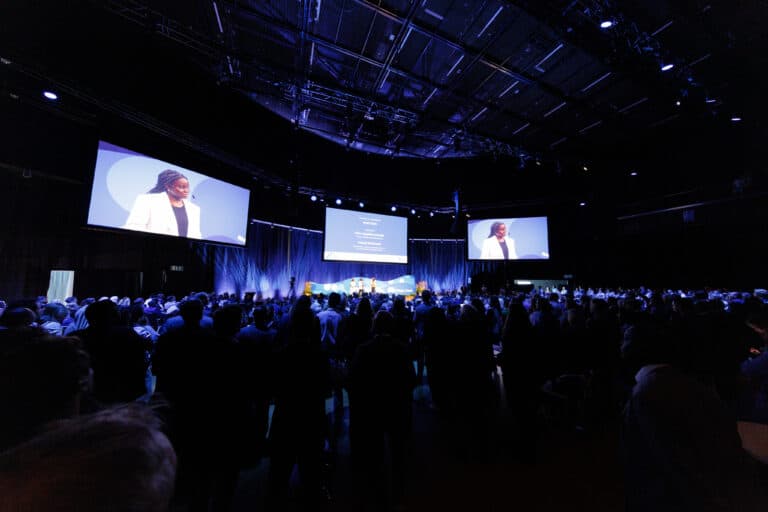
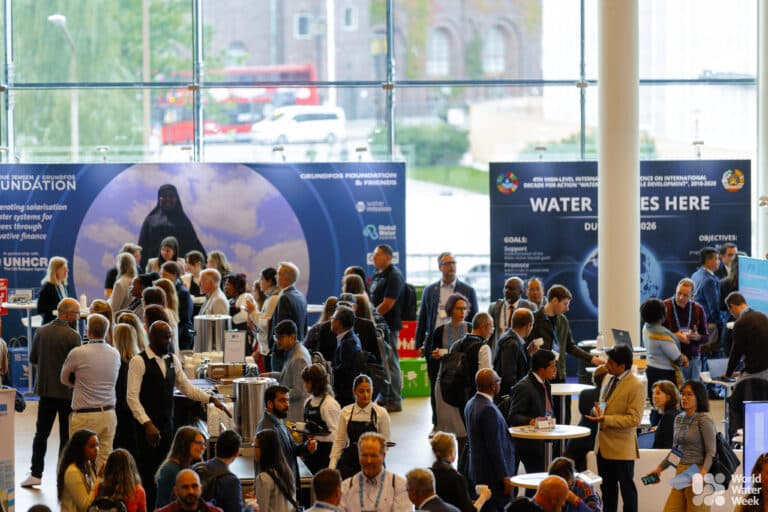
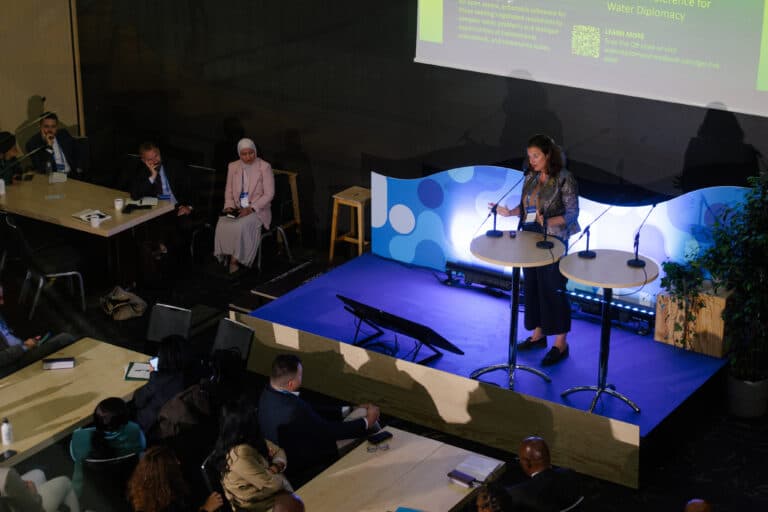
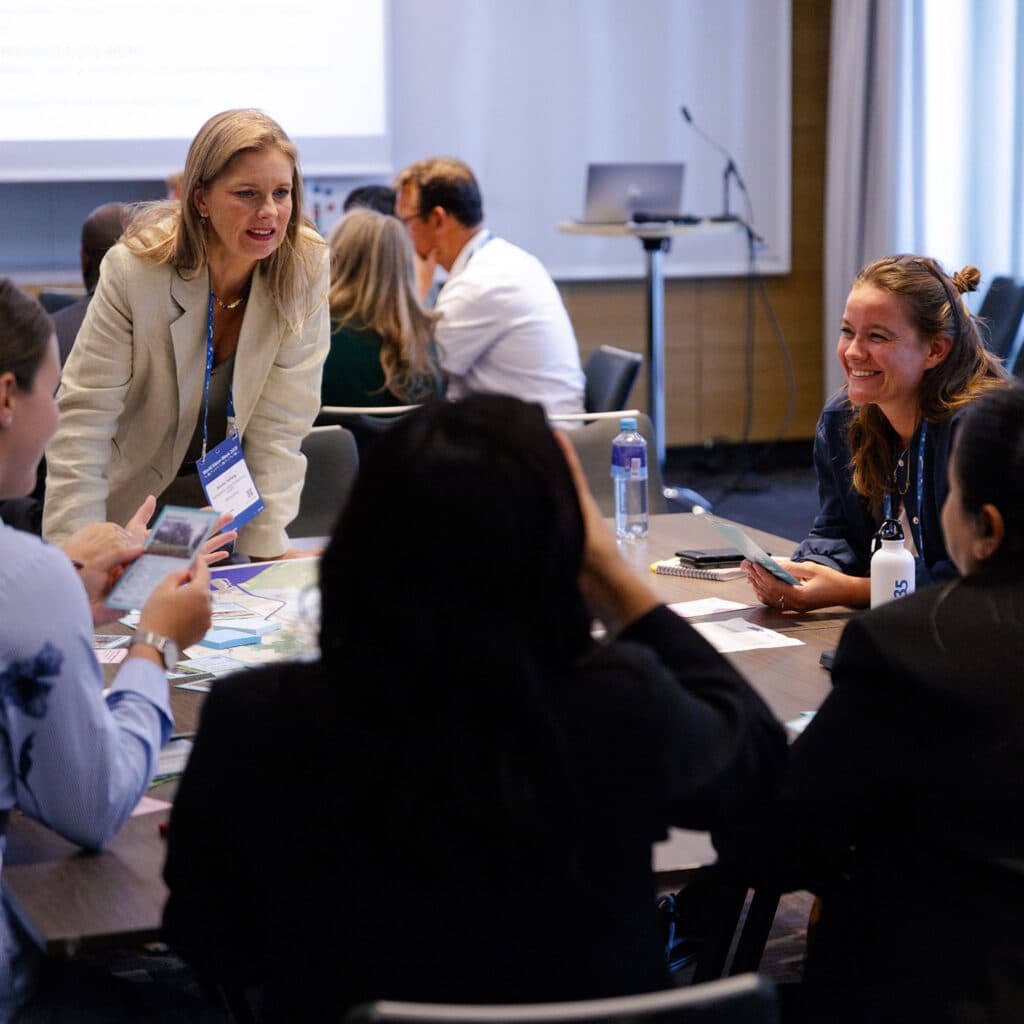
World Water Week played a critical role as the process moved toward implementation. At World Water Week, the principles were reviewed in a structured “world-café” dialogue, bringing together governments, utilities, civil society, researchers, and private-sector actors. Participants tested whether the principles were clear, actionable, and adaptable to national contexts, and debated issues such as leadership, accountability, inclusion, affordability, and governance.
Rather than serving as a launch moment, World Water Week functioned as a collective checkpoint — a trusted space to stress-test ideas, surface tensions, and strengthen the principles before their formal launch.
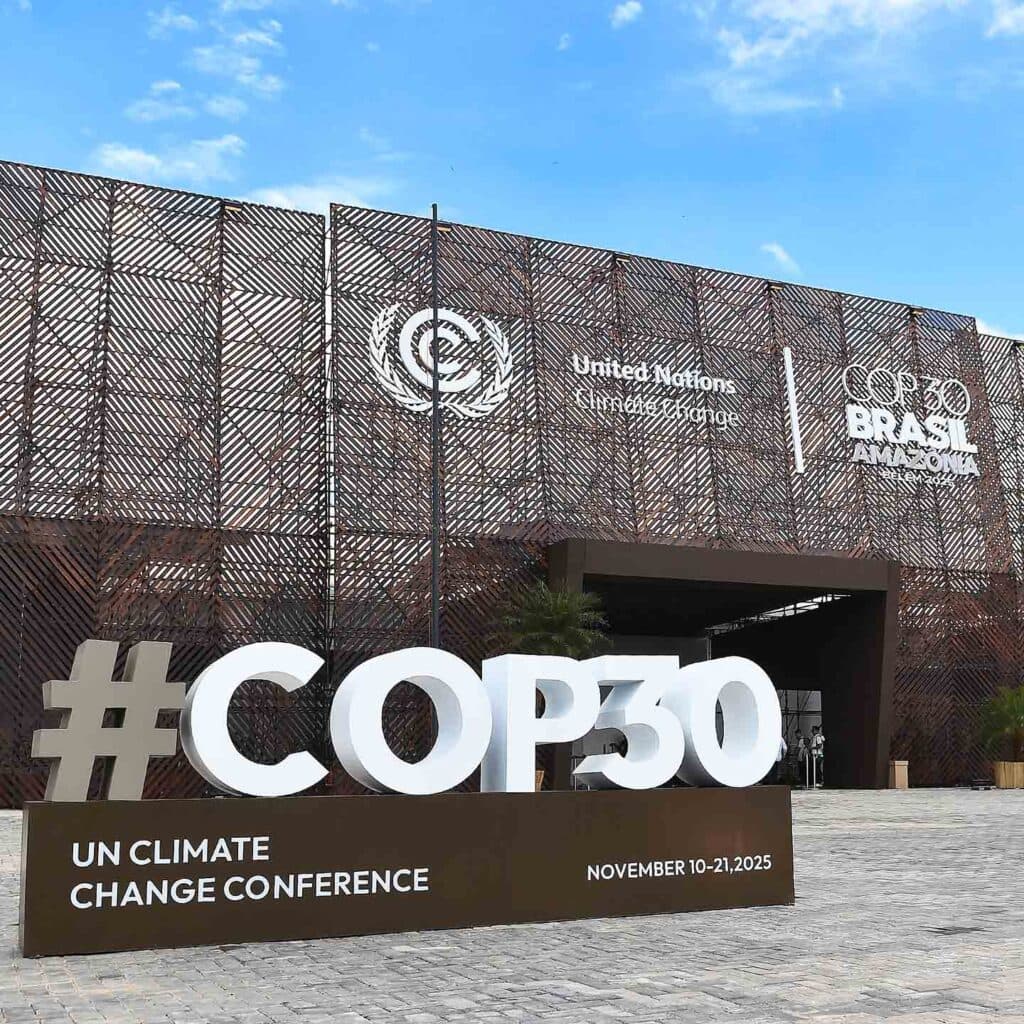
The insights gathered in Stockholm at World Water Week informed the final refinement of the principles, which were launched at COP30. From there, attention has shifted to country-level engagement and the road toward the UN Water Conference in 2026, where initial commitments are expected to take shape.
This journey shows how impact at World Water Week is rarely immediate or linear. Instead, it emerges through continuity: returning to a shared space year after year, refining ideas through dialogue, and carrying them forward into global and national processes. In this way, World Water Week contributes to impact not by claiming outcomes, but by enabling the conditions that allow them to happen.