Stay informed
SIWI newsletter
Receive SIWI’s latest news, events, reports and jobs directly in your inbox.
You can unsubscribe at any time.

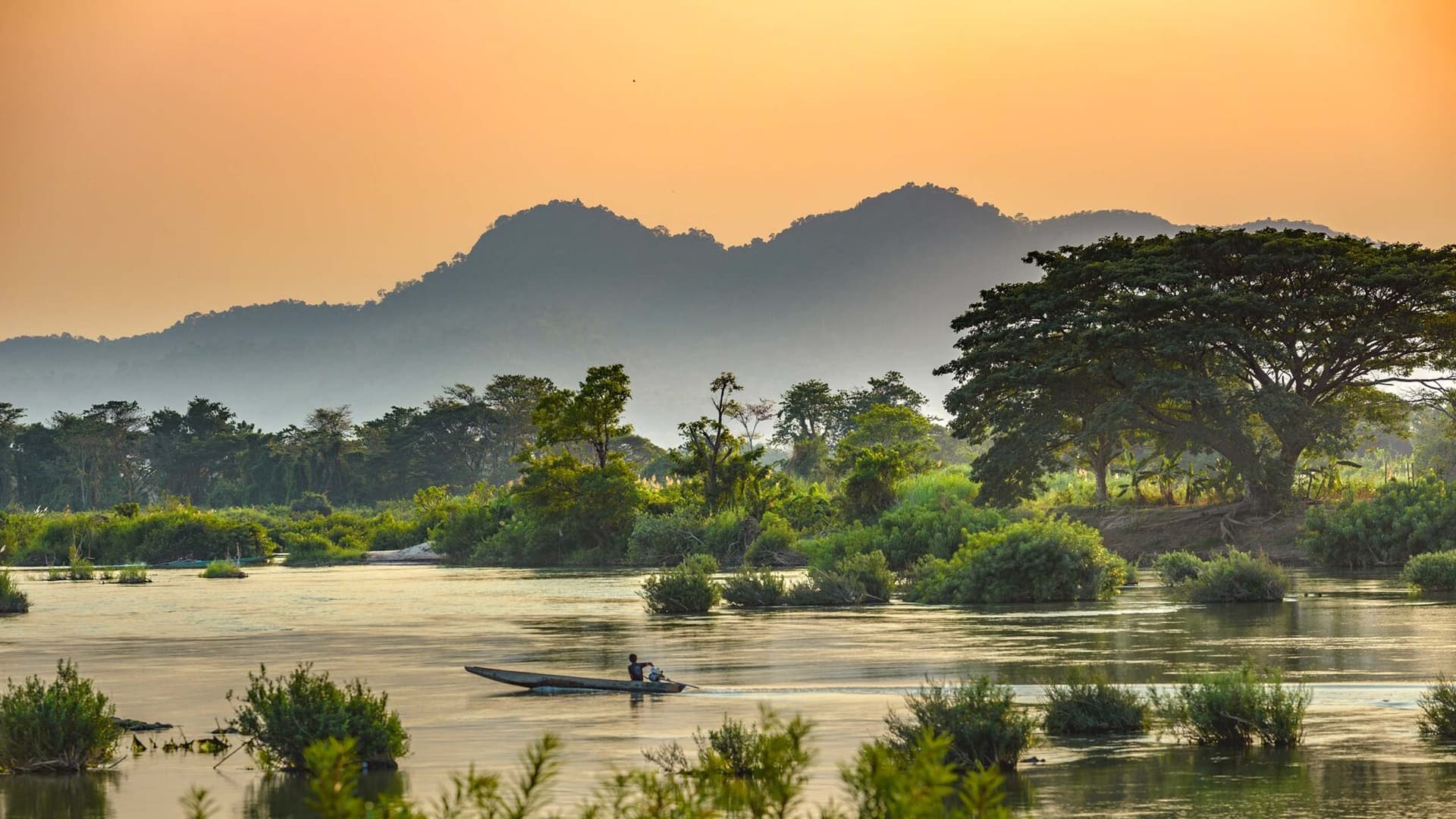
2026 is shaping up to be a defining year for water.
From the Dushanbe Water Process in May, through World Water Week in August, to COP31in November and the UN 2026 Water Conference in December, water is rising on the global agenda—linked to climate, food systems, economic stability, and security.
But there is a disconnect. Commitments are in place. Attention is growing. Yet governance approaches are not keeping pace with how water systems are changing. The result is a widening gap between ambition and implementation.
At the core of this gap is a persistent mismatch. Water is not just another policy area. It is the system through which climate change, ecosystem degradation, and economic pressures are experienced. Droughts, floods, and shifting rainfall patterns are reshaping risks across sectors and regions. At the same time, land use change and ecosystem degradation are altering the hydrological cycle itself.
Yet decisions continue to be made in silos—separating water from land, climate, and ecosystems. This fragmentation does not just reduce efficiency. It creates systemic risk.
If the past decade has been about recognizing water’s importance, the current moment is about governing it differently, focusing on cooperation. SIWI’s policy brief, Governing Water as a System, argues that progress will depend less on new commitments and more on how existing ones are connected, aligned, and implemented. That requires a shift in how decision-makers approach water. Not as a sector to manage—but as a system that connects climate, ecosystems, and economies.
The implications are concrete. Governance must reflect the full hydrological cycle, including green water—the moisture in soils, vegetation, and the atmosphere—which plays a critical role in regulating rainfall and sustaining ecosystems.
Climate policy and finance must be grounded in water realities. Climate risks are largely water risks, yet investments often fail to account for how water systems shape both adaptation and mitigation outcomes. Cooperation must match how water moves. Nearly half of the world’s population depends on shared water systems, yet governance frameworks often lag behind changing hydrological conditions.
Global processes need to be better connected. Climate, biodiversity, land, and development agendas remain fragmented, despite their shared dependence on water. And governance must be inclusive and adaptive to be effective in practice. These are not separate priorities—they are interconnected shifts aimed at aligning systems, decisions, and outcomes.
The Dushanbe Water Process marks an early moment to shape this agenda. But it is not where alignment is completed.
World Water Week in Stockholm provides a critical space to test ideas, challenge assumptions, and connect actors across . As a recurring global platform, it allows discussions to move beyond formal negotiation positions and focus on practical pathways for implementation. This role is increasingly important in a year where multiple processes need to connect—not compete.
The next step in this progression is COP31 of the UNFCCC. Here, the connection between water and climate becomes unavoidable. Climate adaptation, mitigation, and resilience are all shaped by water systems, yet water is still not consistently reflected in climate policy and finance decisions.
Strengthening this link will be essential—not only to avoid maladaptation, but to ensure that climate investments deliver long-term, system-wide resilience World Water Week provides an opportunity to sharpen these messages before they enter the climate negotiations.
All of these moments feed into the UN 2026 Water Conference. By then, the expectation will not be new commitments alone, but clearer evidence of how existing ones can be Water offers a unique entry point for this. Because it connects climate systems, ecosystems, economies, and societies, it can help bridge divides that have long limited progress across global agendas.
But this requires governance approaches that reflect that reality.
As 2026 unfolds, the question is not whether water will be on the agenda. It already is.
The question is whether governance approaches will evolve quickly enough to match the scale and complexity of the challenges ahead.
SIWI’s policy brief is a contribution to that shift—offering a framework to help move from ambition to implementation, and to ensure that water systems continue to sustain people, ecosystems, and economies in a rapidly changing world.
