Stay informed
SIWI newsletter
Receive SIWI’s latest news, events, reports and jobs directly in your inbox.
You can unsubscribe at any time.

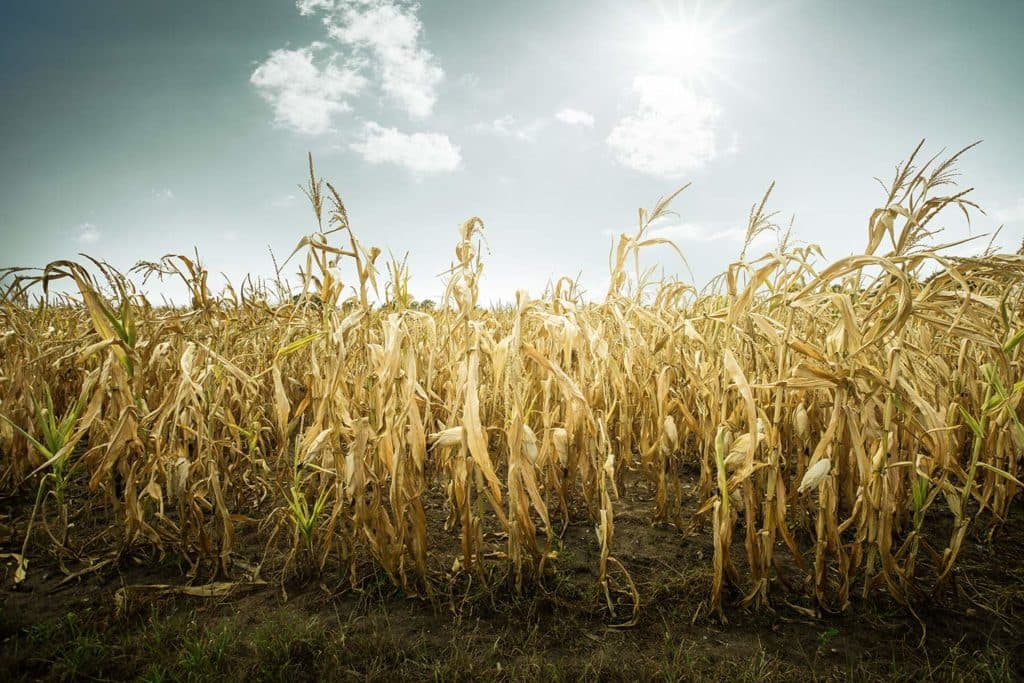
Our climate is already rapidly changing. We need to plan the type, scale, and implementation of mitigation measures so that they are resilient to increasing water cycle disruptions. The UNDP-SIWI Water Governance Facility (WGF) and the Deutsche Gesellschaft für Internationale Zusammenarbeit (GiZ) are supporting the research on water and mitigation, in which researchers from SIWI, Stockholm Resilience Centre (SRC), and Potsdam Institute for Climate Impact Research (PIK) are examining the interlinkages.
Three of the young researchers, who are contributing to the report, presented some of the findings at this year’s World Water Week. During the session they showed how mitigation measures in freshwater ecosystems, forests, and bioenergy systems either depend on access to freshwater, or have implications for water management and availability. The event was timely, just after IPCC launched their latest report AR6 Climate Change 2021: The Physical Science Basis — IPCC, and helped attract attention to the upcoming report.
The findings presented during the session stress that it is hugely important to take water cycle processes into consideration when planning for and implementing climate mitigation. All the Paris Agreement scenarios for reducing global warming require rapid reductions in fossil fuel emissions, but also biosphere services in terms of natural/ecosystem carbon sinks, and – in many cases – anthropogenic Carbon Dioxide (CO2) removal, such as Bio-Energy-Carbon-Capture-Storage (BECCS).