Stay informed
SIWI newsletter
Receive SIWI’s latest news, events, reports and jobs directly in your inbox.
You can unsubscribe at any time.

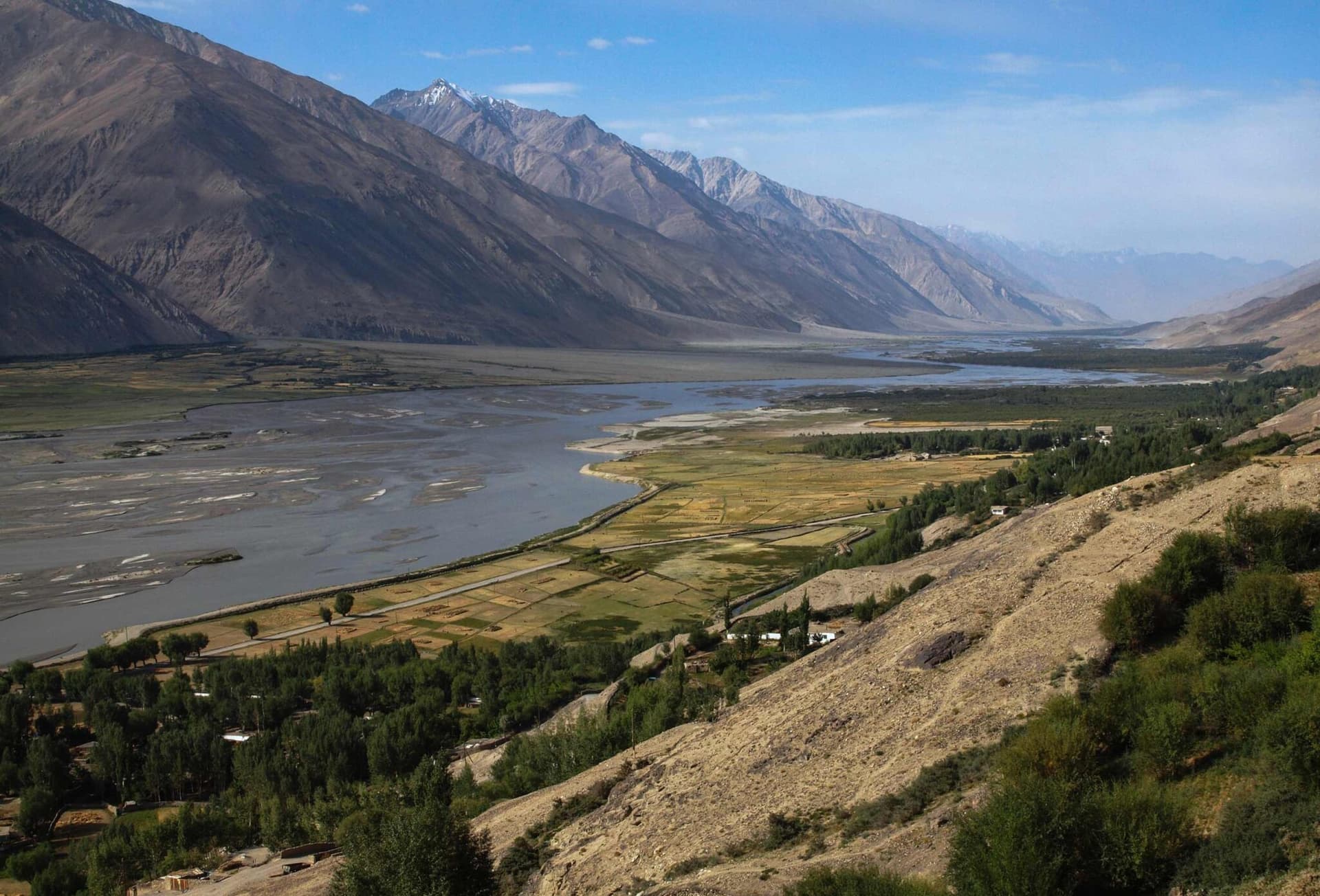

Water stress is intensifying across Central Asia and Afghanistan, driven by climate change, rising demand, and gaps in regional cooperation. In the Amu Darya Basin, a major transboundary river system shared by Afghanistan and several Central Asian countries, these pressures are converging in ways that are becoming increasingly difficult to manage.
A new report from SIWI highlights a central challenge. Despite being a key upstream riparian, Afghanistan remains outside existing water governance frameworks. As climate impacts accelerate and competition over water grows, this absence is no longer sustainable.
Across the basin, rising temperatures, shifting precipitation patterns, and accelerating glacial melt are reshaping how and when water is available. These changes are expected to increase variability in river flows, exacerbate seasonal shortages, and heighten competition between sectors and countries. In a region where water is closely tied to food production, energy systems, and livelihoods, the implications are far-reaching.
At the same time, governance arrangements have struggled to keep pace with these evolving realities. Existing regional institutions were not designed to manage the combined pressures of climate change, infrastructure expansion, and shifting geopolitical dynamics. Limited data sharing, uneven coordination, and gaps in trust continue to constrain effective cooperation.
One of the most immediate tests of the region’s ability to manage shared water resources is the construction of Afghanistan’s Qosh Tepa Canal. Once completed, the canal could divert an estimated 8–20 percent of the Amu Darya’s average annual flow, with potential implications for downstream countries during peak irrigation periods . While the project is closely tied to Afghanistan’s food security and development needs, it also highlights the risks of unilateral action in the absence of basin-wide coordination.
The report frames this moment as both a risk and an opportunity. Without improved cooperation, the region faces the prospect of cascading impacts—from increased water scarcity and economic strain to heightened instability, migration, and setbacks to sustainable development goals. At the same time, the growing urgency of climate pressures is creating new incentives for collaboration.
Rather than focusing solely on water allocation, the report argues for a broader approach that reflects the interconnected nature of the region’s challenges. Water management is deeply linked to energy production, agricultural systems, trade, and regional connectivity. Addressing these issues in isolation risks reinforcing fragmentation; approaching them together can help unlock shared benefits and reduce tensions.
A central message is the need to gradually and pragmatically integrate Afghanistan into regional water and climate cooperation. Initial steps could include participation in technical discussions, data-sharing platforms, and joint monitoring efforts—building confidence and laying the groundwork for more formal engagement over time. Technical cooperation, in this context, is not just an end in itself but a means of creating space for broader dialogue.
The report also emphasizes the importance of strengthening cross-sectoral coordination and improving the efficiency of water use across the region. In many areas, outdated infrastructure and practices continue to drive low water productivity, increasing vulnerability to climate shocks. Investments in monitoring systems, early warning mechanisms, and climate-resilient agriculture can help mitigate risks while supporting long-term sustainability.
Alongside these technical measures, inclusive dialogue remains a critical enabler. Multi-track engagement that brings together government representatives, experts, and civil society actors can help bridge political divides, counter misinformation, and build a shared understanding of risks and opportunities.
These approaches are being taken forward through SIWI’s ongoing Track 1.5 dialogue process, which has convened actors from Central Asia and Afghanistan since late 2018. In March 2026, SIWI convened a regional dialogue in Tashkent, in collaboration with regional partners, bringing together experts and representatives to explore practical pathways for cooperation.
While political sensitivities continue to shape what is possible, the outcomes of these dialogues point to a pragmatic way forward. By starting with technical collaboration and building on existing regional interdependencies, countries can begin to move from fragmented approaches towards more coordinated and inclusive water governance.
The challenges facing Central Asia and Afghanistan are significant, and the risks of inaction are real. Yet the report makes clear that the region is not without options. By aligning technical cooperation with broader efforts on climate adaptation, energy, and economic connectivity, there is a window of opportunity to turn shared pressures into a basis for collaboration.
Whether that opportunity is seized will depend on sustained engagement, willingness to adapt existing frameworks, and a recognition that inclusive cooperation is not only desirable—but increasingly necessary for long-term stability in the region.