Stay informed
SIWI newsletter
Receive SIWI’s latest news, events, reports and jobs directly in your inbox.
You can unsubscribe at any time.

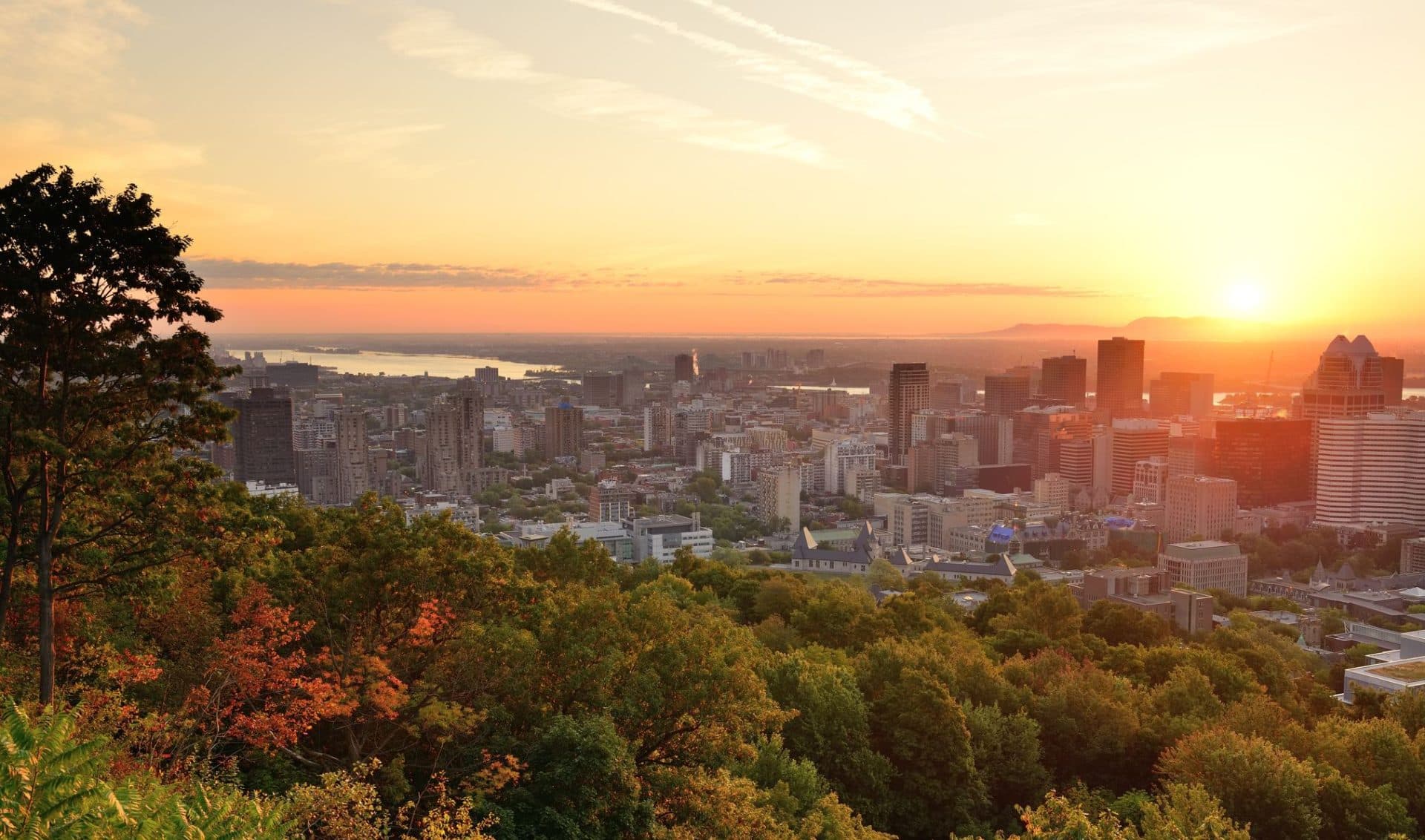
As COP15 started, Inger Andersen, UN’s environment chief, spelled out the challenges facing the planet: “we are at war with nature” and must “make peace”. The global nature of biodiversity loss is what makes international forums such as COP15 crucial to tackling it. Halting the loss of species, habitats and genetic diversity is a must for healthy multifunctional landscapes and prosperous livelihoods. Healthy landscapes are crucial for provision and regulation of water, and good water governance is crucial to healthy landscapes. Healthy landscapes, in turn, can absorb and store carbon – an essential component in mitigating climate change.
Healthy landscapes provide habitats for biological diversity, freshwater, marine and terrestrial alike, and regulate the climate. SIWI’s Lotta Samuelson points out: “Landscape degradation is a global challenge” and it is affecting both blue and green water availability. Landscape degradation has also resulted in massive biodiversity loss, impaired water flows downstream, loss of carbon stocks and increased emissions of greenhouse gas, resulting in increased risks to local communities that rely on functional ecosystems and ecosystem services for their livelihoods.
Current international and national policies related to landscape restoration and management are fragmented across sectors and governance levels and are inadequate to meet the multiple challenges facing the management of water resources to secure biodiverse, resilient and productive landscapes.
Policies and decision making need to improve with respect to water governance and its links with the governance of landscapes and biodiversity, especially in ministries focusing on Environment, Forestry and Water, but also Energy and Industry. Increased investment flows from multilateral organizations, donors as well as the private sector to integrate hydrology and water resources in biodiversity and landscape restoration and management is urgently needed.
SIWI’s Malin Lundberg Ingemarsson led new research highlighting freshwater’s role in climate action. The report shows why we must tackle the climate, nature and water crisis at once: “Biodiversity loss risks intensifying the effects of climate change, while climate change risks boosting biodiversity loss”. Identifying water risks in climate action should include an assessment of where mitigation measures could cause biodiversity loss and ecosystem degradation – which not only reduce the carbon sequestration potential of terrestrial and aquatic ecosystems but can also lead to emission of greenhouse gases.
SIWI’s Dr. Anna Tengberg tells us what researches found when looking at the rapid land-use change in the Central Rift Valley over roughly the last 50 years. They found significant losses of ecosystem services values for water provision and water regulation in the landscape, which is also affecting wetland biodiversity. This paper illustrates the more general conclusions in the Water and Mitigation report about wetlands and land systems, such as the need to protecting water for nature and the multiple benefits that can be generated for both biodiversity and the climate.

Senior Advisor
Anna's works focuses on water for resilient landscapes and landscape governance.
Senior Program Manager
Lotta coordinates activities related to landscape management and restoration.

Advisor Water Climate and Environment
Malin studies the links between water, biodiversity and climate change.