Stay informed
SIWI newsletter
Receive SIWI’s latest news, events, reports and jobs directly in your inbox.
You can unsubscribe at any time.

World Water Week in Stockholm is an annual, non-profit event organized by SIWI, convening decision-makers…
Each year, World Water Week brings together actors who rarely meet elsewhere: governments, companies…
Over 35 years, World Water Week has evolved from a small scientific gathering into a global meeting place, reflecting changing …
Swedish Water House works by creating spaces where Swedish actors can meet, exchange perspectives, and engage …
Events and seminars are a core way in which Swedish Water House connects Swedish actors to global water issues.
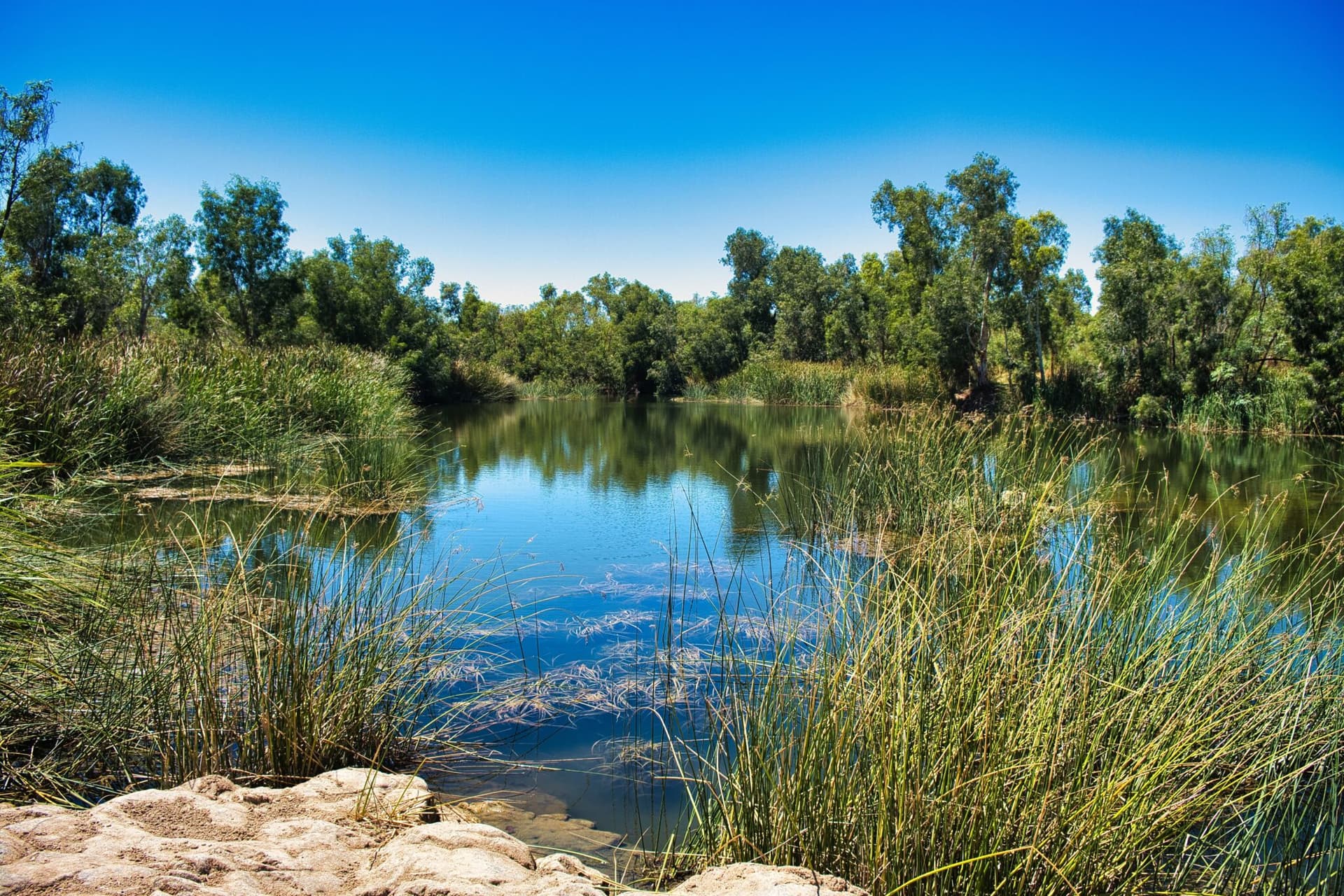
Current approaches to water governance have traditionally focused on blue water — rivers, lakes, reservoirs, and groundwater. Yet growing scientific evidence shows that water security and climate resilience also depend heavily on green water: the moisture stored in soils, vegetation, and ecosystems that regulates rainfall, supports agriculture, and sustains ecosystems.
This shift in understanding is gaining momentum as climate change increasingly disrupts rainfall patterns, accelerates glacier loss, intensifies droughts and floods, and places growing pressure on food systems and economies worldwide.
According to SIWI’s new issue brief, Governing the Full Hydrological Cycle to Strengthen Water Resilience, governance systems still largely address water, land, climate, agriculture, and ecosystems separately, despite being physically interconnected through the continuous movement of water across landscapes and the atmosphere.
The issue brief argues that strengthening governance across the full hydrological cycle which includes both blue and green water is becoming increasingly important for long-term resilience, economic stability, and climate adaptation.
Green water remains largely absent from many governance and policy frameworks, despite playing a critical role in regulating rainfall, sustaining rainfed agriculture, and supporting ecosystems. Forests, soils, and wetlands not only respond to rainfall, but also help generate it through evapotranspiration and atmospheric moisture flows.
Examples highlighted in the brief show how these connections already influence water security across regions. In the Nile basin, precipitation over the Ethiopian Highlands is sustained by atmospheric moisture originating from the Mediterranean, Atlantic, and Indian Ocean regions. In southern Africa, declining atmospheric moisture transport from the Congo Basin is increasingly affecting green water availability in the Zambezi basin.
The brief also points to the Amazon “flying rivers,” where evapotranspiration from the rainforest helps sustain rainfall across major agricultural regions in South America. Ongoing deforestation is already reducing regional precipitation, creating growing risks for agriculture, economies, and food security.
The discussion around full hydrological cycle governance is becoming increasingly relevant ahead of the UN 2026 Water Conference, where governments and organizations are expected to examine how water governance can better support resilience in a rapidly changing climate.
Earlier this week Dushanbe Water Conference, SIWI and the Government of the Netherlands co-convened a high-level side event exploring how governance across the full hydrological cycle can help address droughts, floods, land degradation, biodiversity loss, and climate-related risks.
The event, moderated and led by SIWI, featured speakers and panelists from the Government of the Netherlands, Republic of Tajikistan, the Government of Japan, the Government of Uganda, the Global Commission on the Economics of Water, the World Bank, the European Union, and UNESCO.
The discussion built on growing calls to better integrate green water, ecosystem management, land stewardship, climate adaptation, and transboundary cooperation into water governance frameworks.
The issue brief also identifies opportunities to strengthen connections across the Rio Conventions, climate adaptation planning, biodiversity frameworks, and future global water governance discussions.
Receive SIWI’s latest news, events, reports and jobs directly in your inbox.
You can unsubscribe at any time.