










Stay informed
SIWI newsletter
Receive SIWI’s latest news, events, reports and jobs directly in your inbox.
You can unsubscribe at any time.

As climate change intensifies droughts, floods, glacier loss, ecosystem degradation, and water insecurity, the brief examines how current governance systems often remain fragmented across sectors such as water, land use, agriculture, climate adaptation, and biodiversity. It argues that these divisions no longer reflect the physical realities of how water moves through landscapes and the atmosphere.
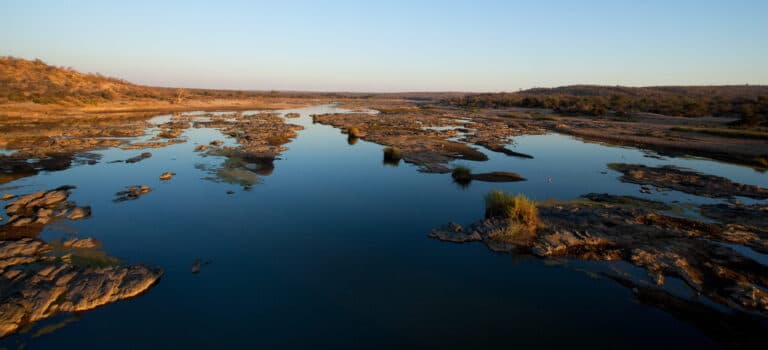
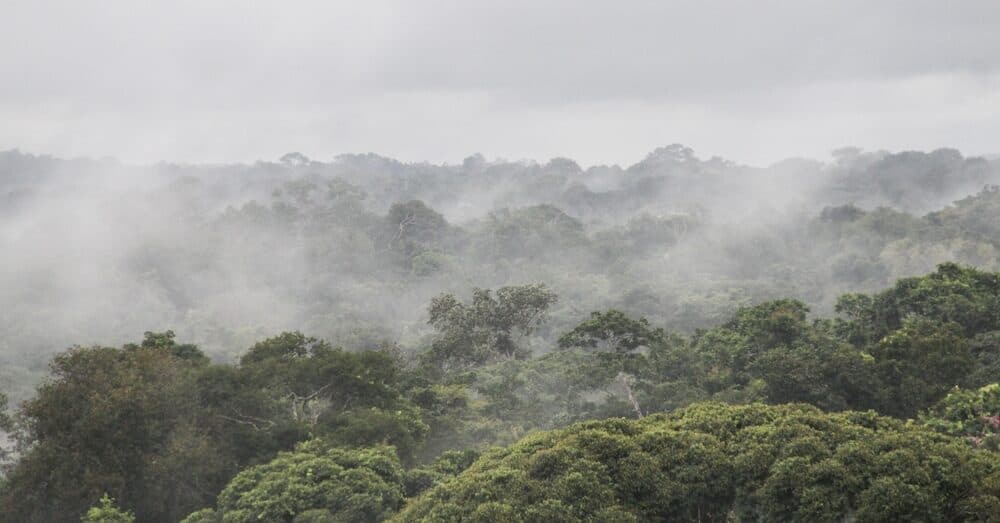
Drawing on examples from the Nile, Zambezi, Mekong-Lancang, and Amazon regions, the brief highlights how atmospheric moisture flows, ecosystem health, and land management increasingly influence water availability, resilience, and economic stability across borders.
The brief outlines key governance gaps and proposes policy priorities to help strengthen resilience through more integrated approaches. It also explores how the UN 2026 Water Conference could help advance governance frameworks that better reflect the interconnected nature of the hydrological cycle.