Stay informed
SIWI newsletter
Receive SIWI’s latest news, events, reports and jobs directly in your inbox.
You can unsubscribe at any time.

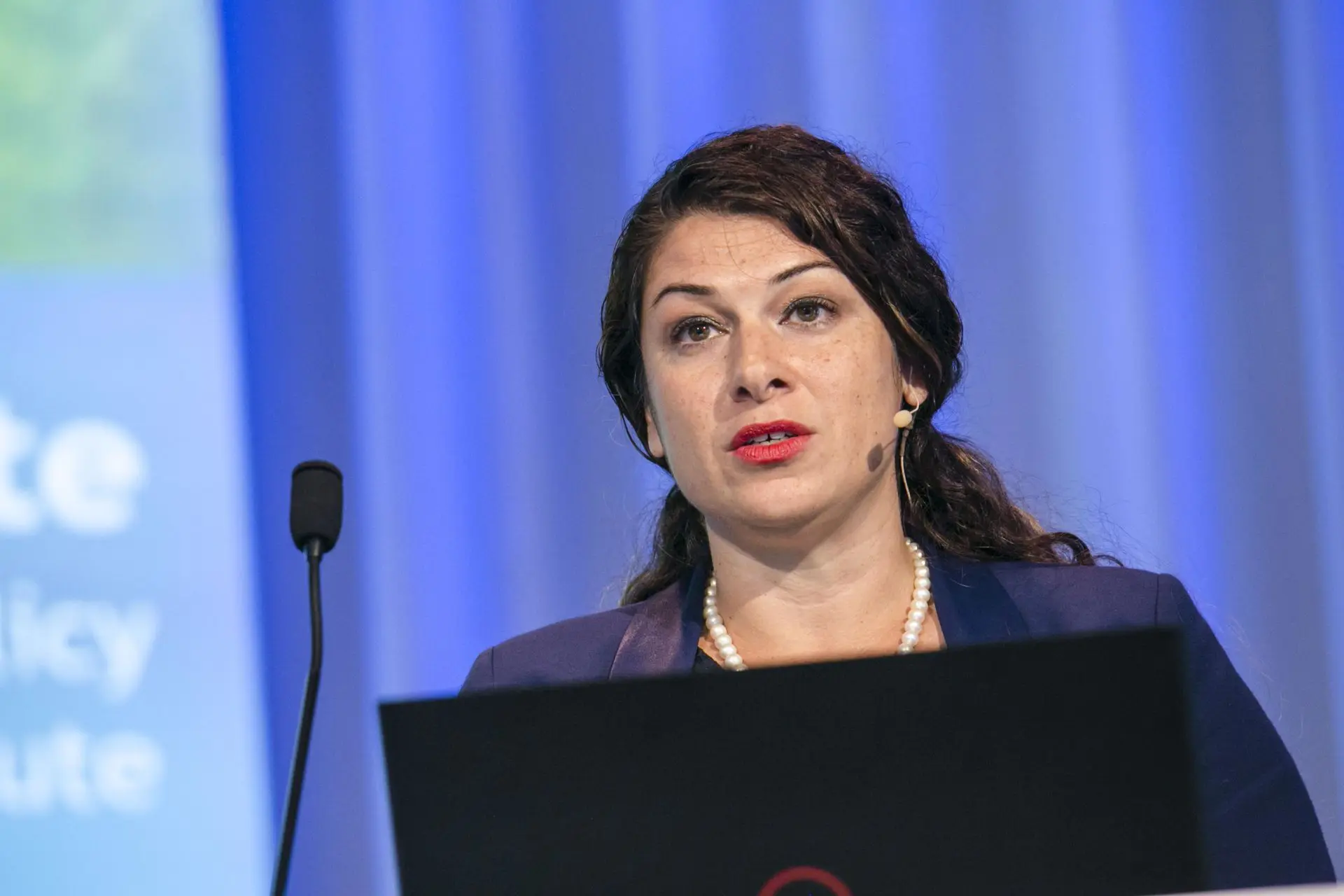
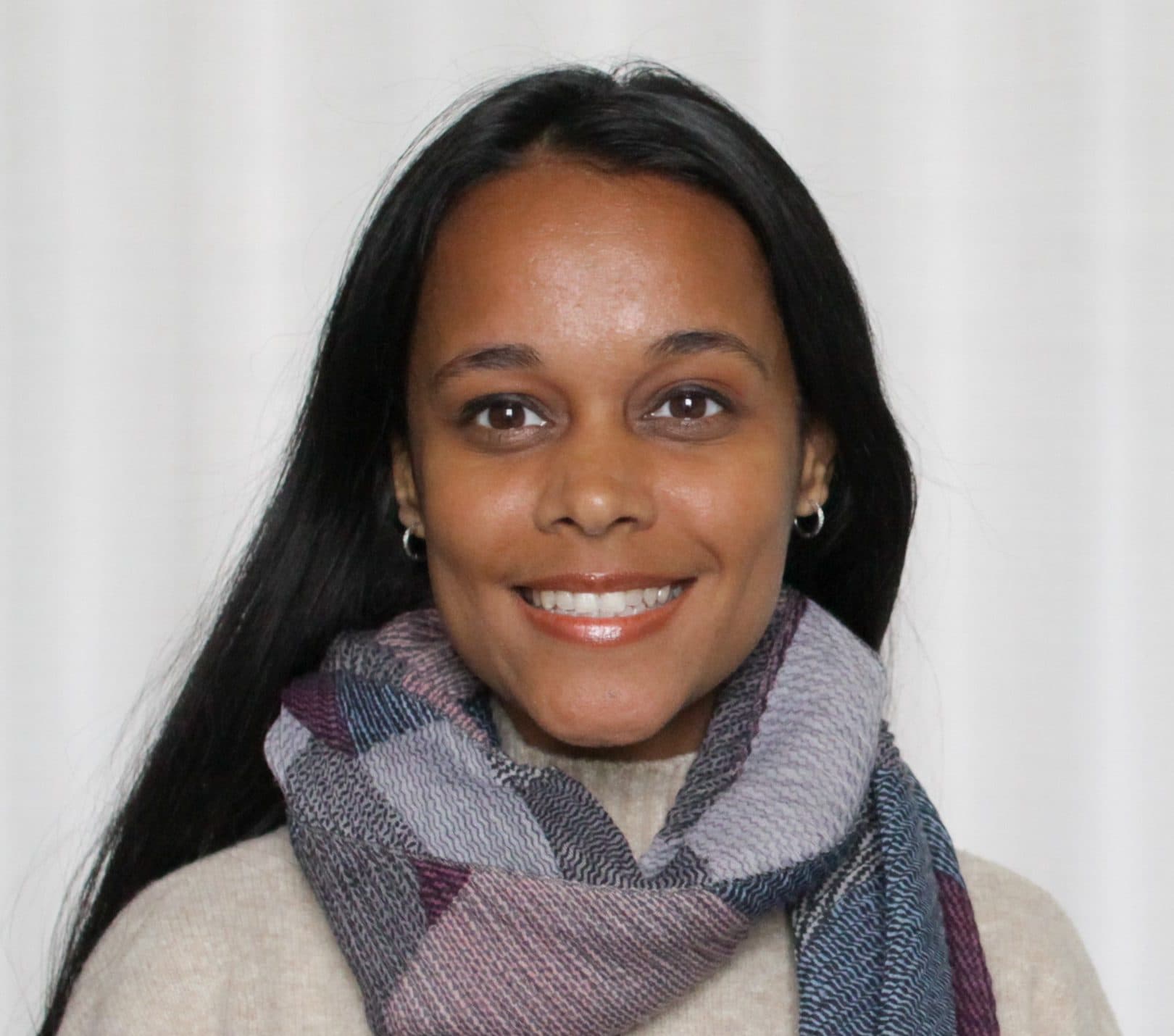
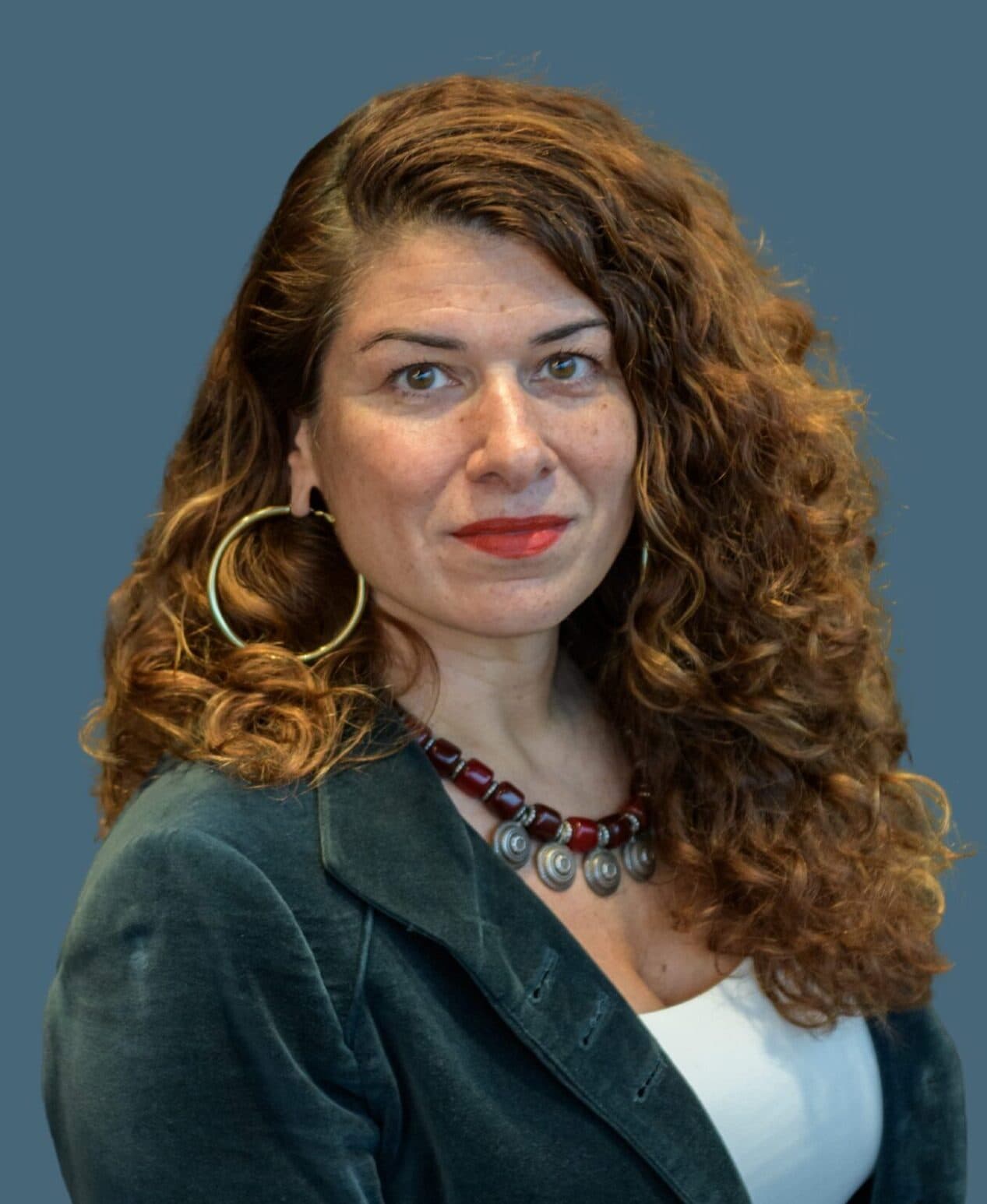
In an interview with Maggie White, Senior Manager of International Policies at SIWI, we understand what this High-Level Panel (HLP) is all about, who should attend and why?
The next UN Water Conference takes place in 2026. “But it is the 2030 agenda that we want people to keep in mind and have their eyes on,” says White.
During the previous years our efforts with HLPs have been directed to bring in decision makers from climate change, food, biodiversity, health sectors to make the connection between water and their sector and highlighting how they are water dependent. This is because we felt that water was mainly addressed within the water community and not picked up enough in other sectors.
We’ve seen progress, with water gaining recognition across these sectors.
This year’s HLP will assess how water is being addressed across sectors and built into global processes. We’ll have representatives from health, past and future COP climate change presidencies, COP 16 biodiversity, and the upcoming UN Water Conference 2026. This continuity of representatives allows us to address accountability for what’s been done and what still needs attention.
The HLP will generate momentum towards peacebuilding by highlighting the need for water in different spheres.
Whether it is health, climate change, biodiversity, sustainable development, we’re really addressing the need to cooperate around the shared water resources: cooperation in terms of the quantity and quality of water needed by different sectors and across borders.
While the goal of this HLP is not to generate a negotiated joint text among nation states, it provides an opportunity to invite stakeholders who are otherwise not present during dialogues. Here panellists and other participants can speak freely about what is working and what isn’t to then build partnerships.
The Netherlands, Senegal, Tajikistan, and the UAE are linked by their leadership and active roles in global water governance. Tajikistan and the Netherlands have been particularly influential, having co-chaired the UN 2023 Water Conference. Tajikistan has sustained global water discussions through the International Water Decade 2018-2028 and the Dushanbe Water Process while the Netherlands contributed by initiating the Water Action Agenda, which has led to over 800 water-related commitments globally, accounting for 72 billion U.S. dollars.
As the UN 2026 Water Conference approaches, Senegal and UAE have put forward their candidacy to become co-chairs. The modalities of the co-chairing process will be confirmed by November-December.
For this reason, the HLP and World Water Week 2023 are very timely. They create space for meetings and collaboration between UAE, Senegal, Tajikistan and the Netherlands, and other stakeholders about this transition and building towards the success of the 2026 conference.
Everybody attending World Water Week on-site is welcome to attend the workshop which will be held at the Centre Stage after the HLP. Tables will be set-up thematically based on interactive dialogues: water and health, water and climate change, water and sustainable development, water and cooperation, and the Water Action Decade. The tables will be chaired by leading organizations of countries and have a rapporteur each.
During the workshops, participants can come and share their commitments which have been submitted to the Water Action Agenda or present other water related initiatives. Those who want to listen in, can do so as well.
The idea is to bring everybody around these tables and discuss what needs to be done for 2026 to advance their commitments and with whom – those that share the same interest or overlaps in initiatives to create more momentum. The outcomes will be shared to support the preparation of the upcoming UN 2026 Water Conference.
The HLPs at World Water Week originated seven years ago, focusing on influencing policies and processes in order to build a resilient future through water.
The HLP is a product of SIWI, and for the past five years has been co-convened with the government of the Netherlands.
SIWI’s leadership has been key in pushing forward the agenda of resilience within the water community, a concept that was not widely recognized at the time.
The High-Level Panel on Water’s pathway in global processes is the only one being presented at WWW this year. SIWI and the Government of the Netherlands have chosen to co convene it as it serves as a pivotal moment to assess progress in global water-related processes. SIWI has been instrumental in ensuring water is prioritized in global policies, also through its active involvement in the UNFCCC and climate COPs negotiations and the UN High-Level Political Fora. SIWI’s ongoing efforts aim to maintain momentum around water issues throughout the year, highlighting their importance in achieving global goals.