Stay informed
SIWI newsletter
Receive SIWI’s latest news, events, reports and jobs directly in your inbox.
You can unsubscribe at any time.

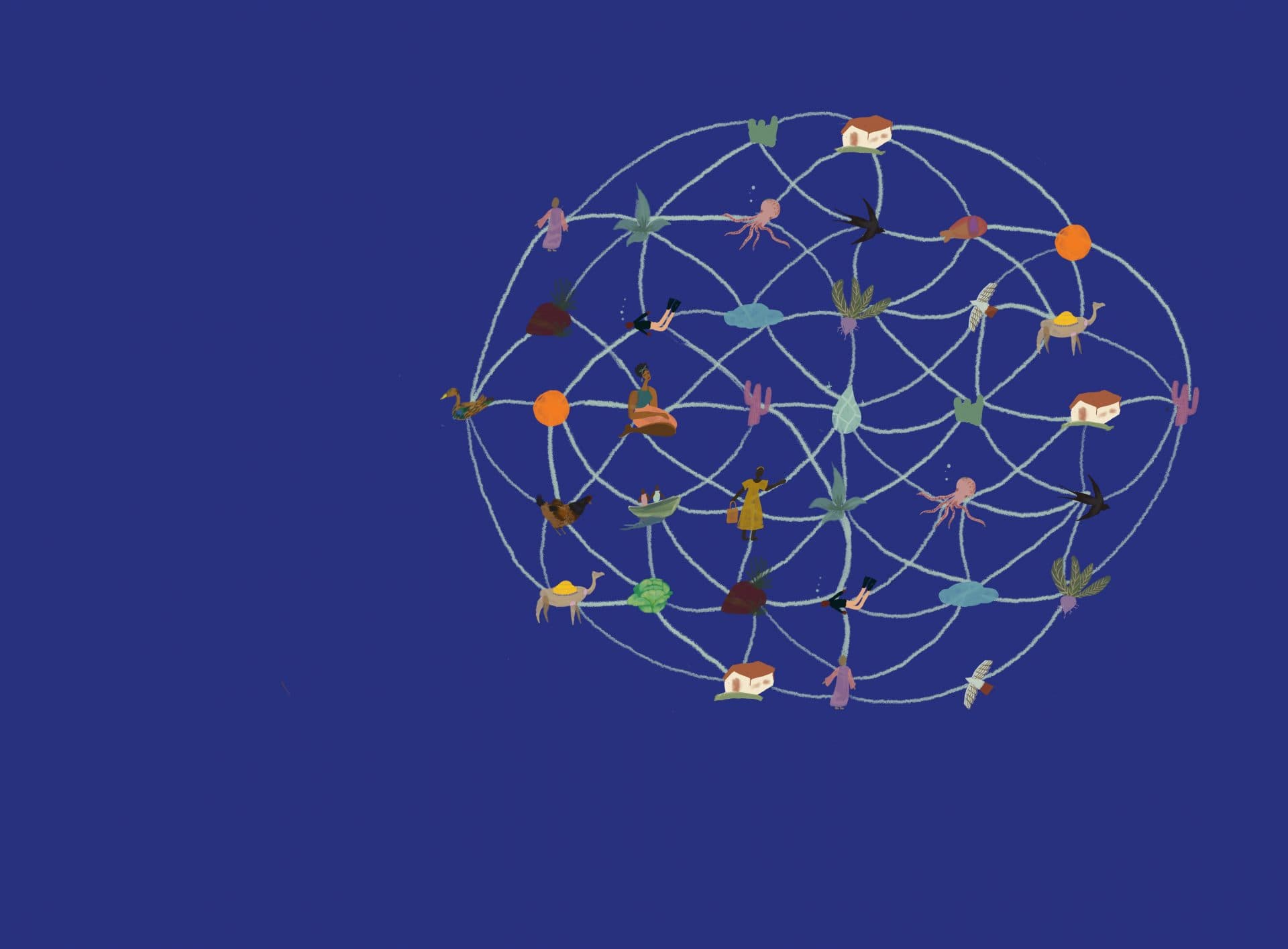
Water provides life and connects all aspects of life, yet many of its powers remain unseen. The stories present ‘visions of water’ based on real-world projects of SIWI, set in a future where the true powers of water have been recognised by all.
The first story, Whispers from a Jordanian watershed, celebrates the power of water to collate peace. The second one, Across the Nile and around the table: Women with a shared dream, speaks about the power of water to achieve gender equality. The third, Catching raindrops in Zambezi, explores the power of water to secure food and livelihoods. The fourth, Lake Hawassa is what happiness looks like, depicts the power of water to restore ecosystems
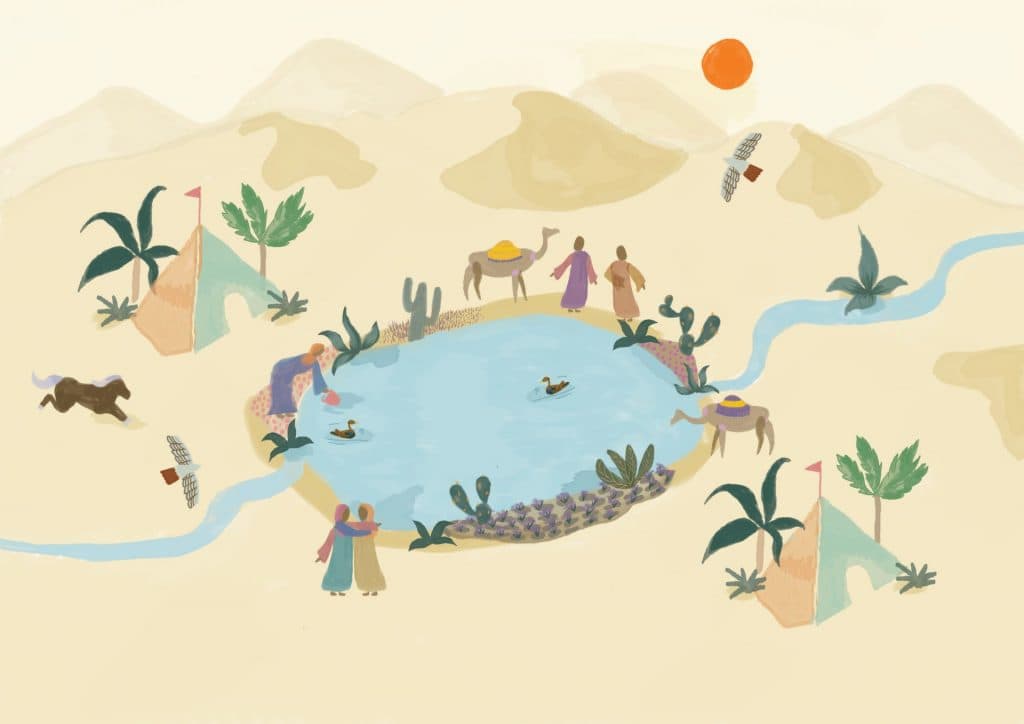
The first vision in the series explores the power of water to collate peace. People’s relationship with water in places with very little water also determines their relationship with each other and the environment. Such regions also harvest water to avoid droughts.
Storytelling is the most ancient form of passing down knowledge. With modern tools, we are blessed to be able to push the boundaries of storytelling. The illustrations are based on interviews with people associated to the projects in question.
The disturbances in society and negative impacts of human induced climate change are highly daunting. Communicating about the most pressing issues of our times plays a key role in how people’s views and perceptions are shaped. The illustrations and accompanying texts are intended to stretch our imagination of what is possible if we pull all the right levers. The challenges that we face today, go beyond a specific moment in time, and they need continuous effort and ambassadors to push communication for change.
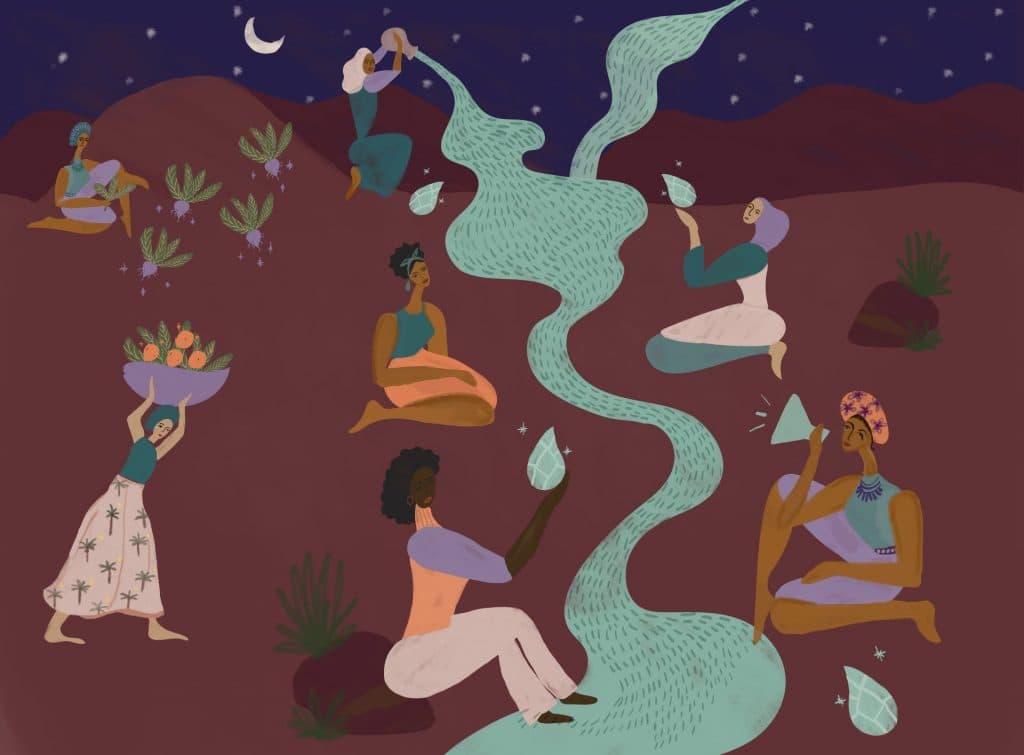
This piece speaks about the power of water to achieve gender equality. It is 2050. Have you ever wondered why our rivers, ecosystems, and societies look the way they do? The world looks different today than it did before women had more influence over how water is managed.
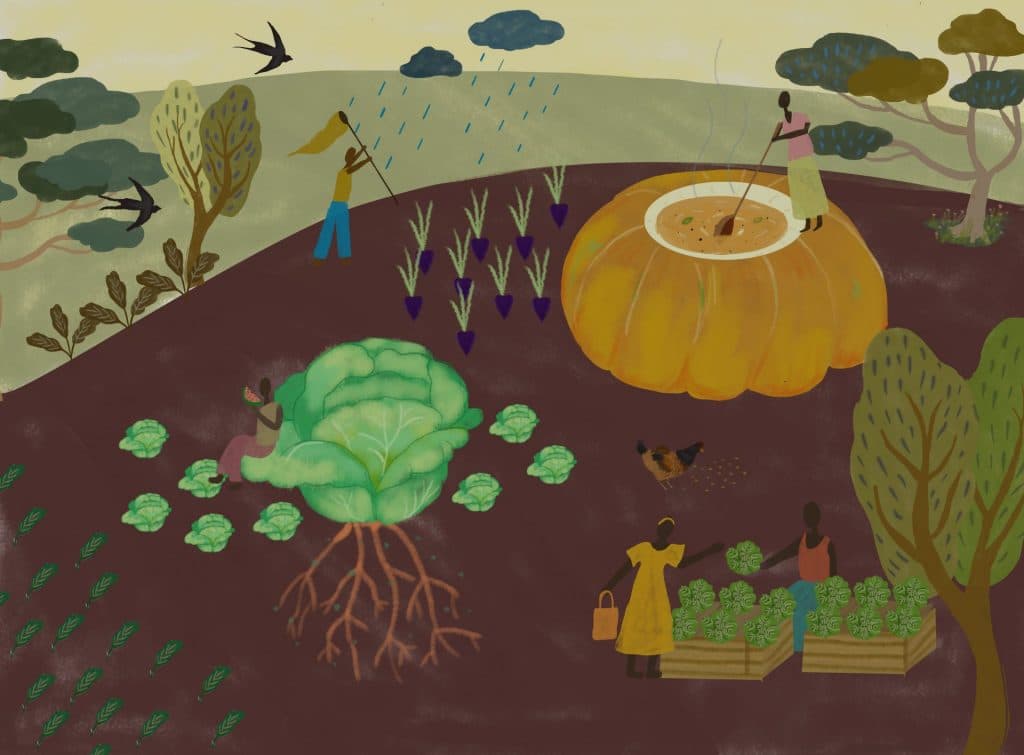
This piece explores the power of water to strengthen food security. What type of water is needed for growing food? Are farmers doing enough to secure those sources of water? Are food value-chains supportive of those farmer practices?
The success of SIWI’s projects relies heavily on the continued trust and support of our partners and funders. It also depends on how we communicate about what lies ahead, and the possible solutions to our challenges. The stories from ‘Visions of water – seeing the unseen’, are reminders of the endless possibilities that the power of imagination holds. To develop and realise those dreams and visions, such as a peaceful Middle East and North Africa region or a food secure African continent, we need the support and cooperation of each of those engaged and more people to join for the long run.
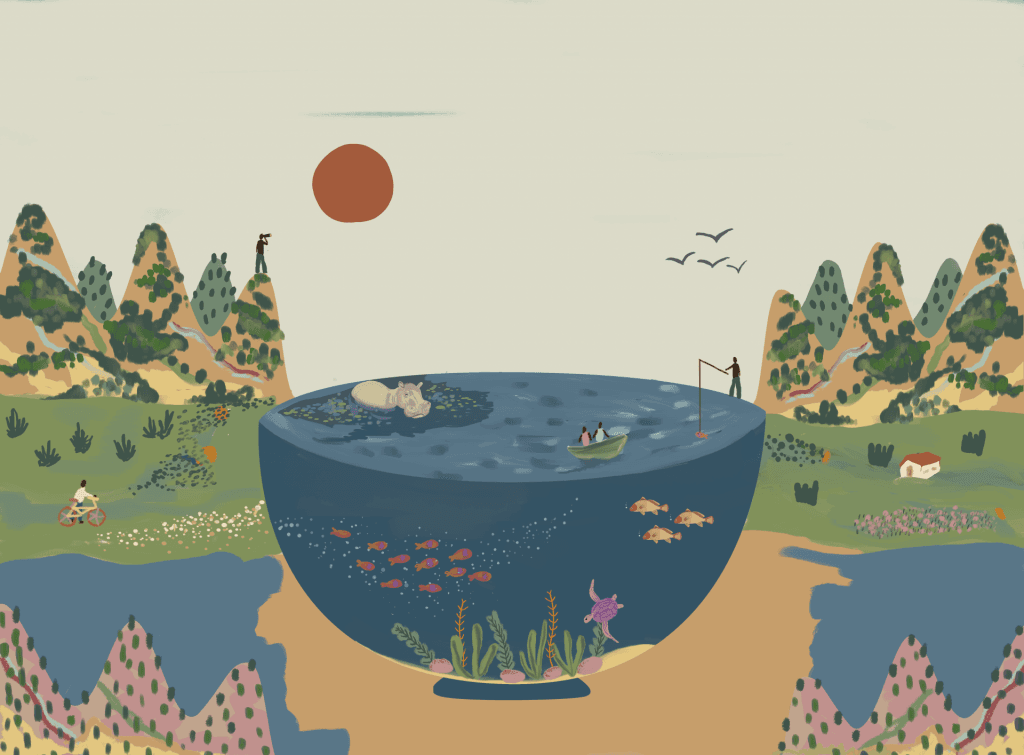
This vision depicts the power of water to restore ecosystems. One only needs to visit Lake Hawassa in Rift Valley to understand why people choose to live here and continue protecting it up until today. What makes it such a happy place? Ruth Mathews of SIWI is not surprised.