Stay informed
SIWI newsletter
Receive SIWI’s latest news, events, reports and jobs directly in your inbox.
You can unsubscribe at any time.

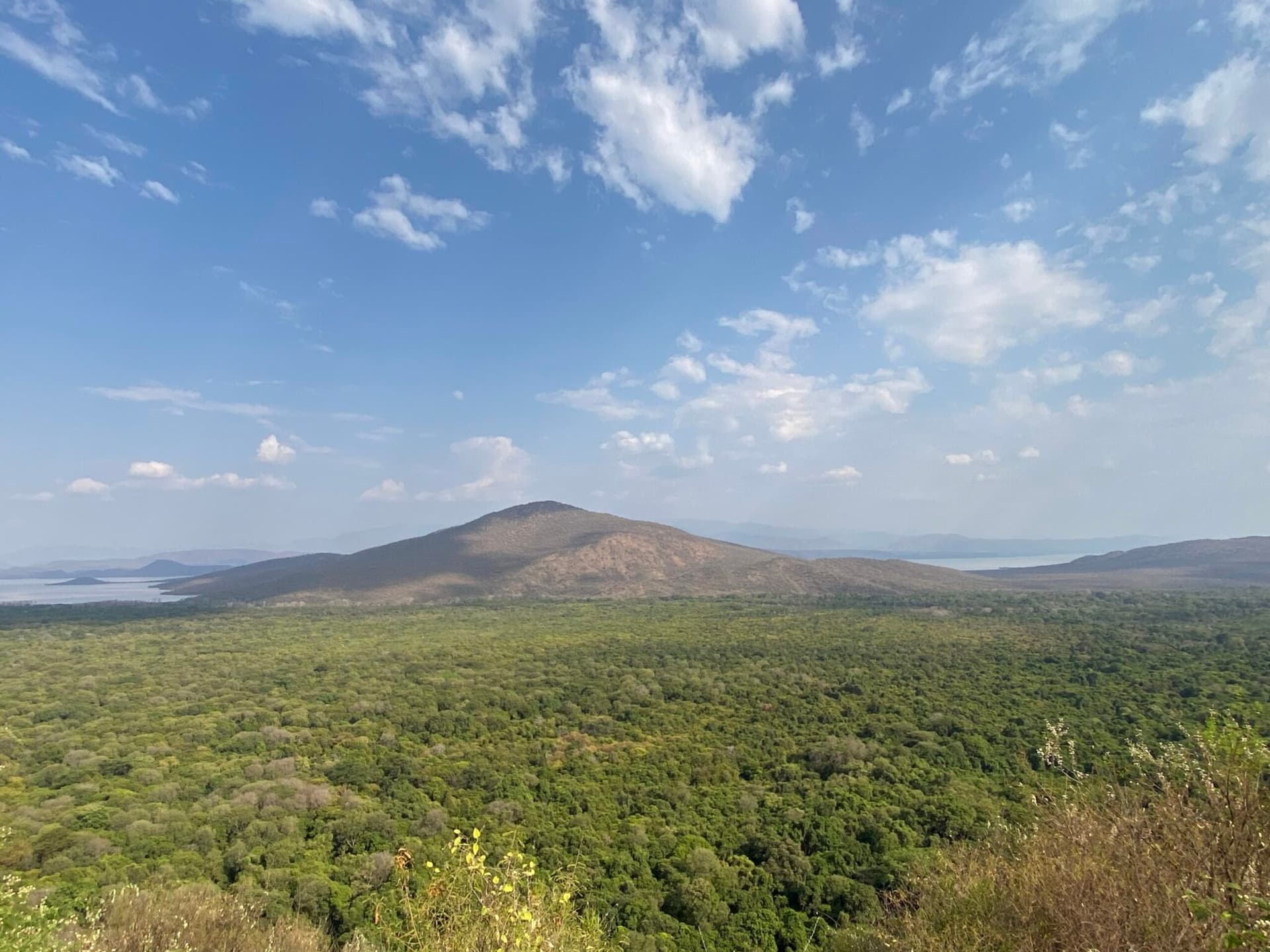

To address this gap, SIWI, in collaboration with Deutsche Gesellschaft für Internationale Zusammenarbeit (GIZ) GmbH and supported by the Federal Ministry for Economic Cooperation and Development (BMZ) and Sida, has developed the Water-smart Forest and Landscape Restoration (W-FLR) Tool and accompanying Handbook.
The W-FLR Tool Handbook provides a structured, step-by-step methodology to assess water-related risks and opportunities in forest and landscape restoration. It supports policymakers and practitioners in mainstreaming water into restoration strategies, plans and investments at national, sub-national and local levels.
The tool guides users in identifying water-related ecosystem services at risk, assessing institutional readiness, and developing practical roadmaps for policy integration, capacity development and implementation. It can be applied both in new restoration initiatives and to strengthen ongoing efforts.
Grounded in field applications in northern Benin, Southern Ethiopia and northwestern Madagascar, with a fourth case under development in central Togo, the methodology has been refined to ensure adaptability across ecological and institutional contexts.
The W-FLR Practical Tasks Manager complements the Handbook by guiding users through the methodology in practice. It supports the preparatory phase, mapping water-relevant ecological functions and stakeholders, and facilitates the workshop process that leads to a co-created W-FLR Roadmap.
Designed to translate guidance into action, the Practical Tasks Manager helps align restoration efforts with water governance frameworks and investment decisions, while strengthening participatory monitoring and evaluation.
The W-FLR Tool and Handbook were developed through close collaboration with GIZ and country partners under the Forests4Future programme. We thank national collaborators and practitioners whose field experience informed the methodology.
Development of the W-FLR Tool Handbook was funded by GIZ/BMZ and Sida. The finalization of the Handbook also benefited from the contributions of the Forest-Water Champions reference group, whose technical insights and feedback helped ensure scientific robustness and practical relevance.

Explainers and briefs·Jul 16, 2026
Policy publications·May 20, 2026
Resource·Apr 24, 2026
Explainers and briefs·Sep 23, 2025