
Stay informed
SIWI newsletter
Receive SIWI’s latest news, events, reports and jobs directly in your inbox.
You can unsubscribe at any time.

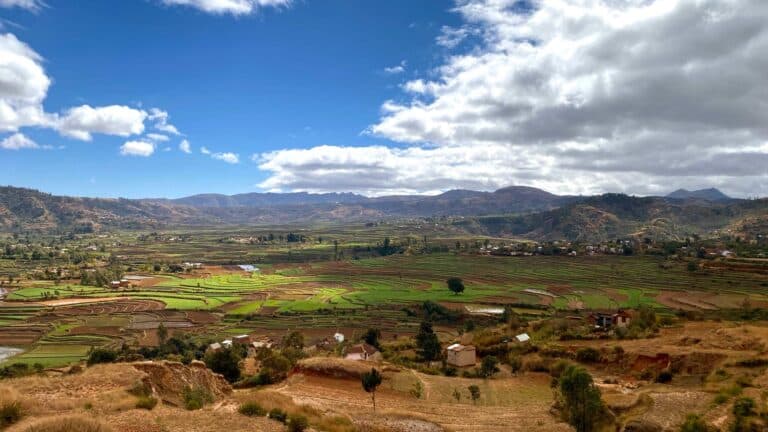
SIWI launched this paper on 16 November at COP31’s Africa Pavilion. The launch takes place during a session convened by the African Union Development Agency and the African Forest Landscape Restoration Initiative (AFR100) on how investment in landscape restoration can strengthen agriculture and food security in Africa.
When rain washes soil off farmland, some of it ends up in rivers and reservoirs. Keeping farmland covered or restoring vegetation along streams can help keep soil in place and at the same time improve soil moisture and fertility. That soil moisture is known as green water. Water-smart landscape management and conservation protects productive soil for farmers, improves atmospheric moisture flows and can reduce the amount of sediment reaching the water people rely on downstream.
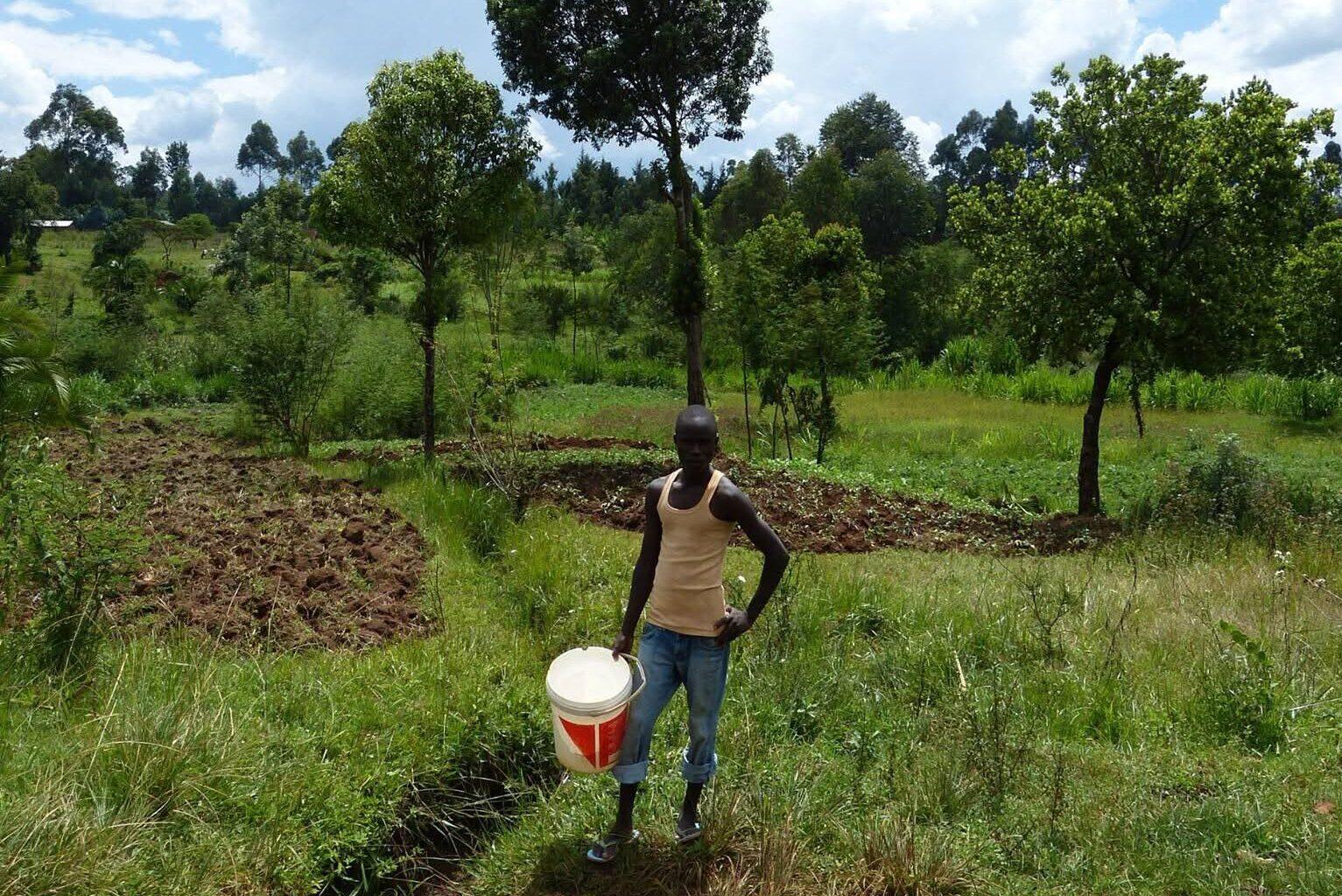
Farmers often bear the cost of changing how they manage their land, while some of the benefits are felt downstream. Could the people who benefit help pay for the work? Kenya’s Upper Tana–Nairobi Water Fund, a blended finance public-private partnership model supported by international donors, corporate beneficiaries, and utilities shows how that can work in practice.
The Upper Tana–Nairobi Water Fund brings downstream water users and other partners together to support soil and water conservation upstream. It helps smallholder farmers adopt practices designed to protect their land and reduce the amount of sediment reaching rivers and reservoirs. Downstream water users have a reason to support that work because the condition of the watershed affects the water supply they depend on.
The water challenges help determine what work is needed and who might help fund it. A water utility may be concerned about sediment reaching a reservoir. Farmers who depend on rainfall may place more value on keeping moisture in the soil through dry periods. Each goal calls for different measures and a different way of assessing whether the work is succeeding.
If the goal is to reduce sediment reaching a reservoir, a project needs to understand where the sediment comes from and establish what conditions are like before work begins. That starting point is the baseline. Later measurements, interpreted alongside changes in rainfall and river flow, can help show whether restoration made a difference. SIWI’s Water-smart Forest and Landscape Restoration Tool helps planners identify which water outcomes matter in a particular landscape and decide what to track.
The policy paper calls on donors and development finance institutions to fund baseline water measurements and agree with partners on how results will be verified before restoration begins. Grants can help pay for that early work and test an approach. Public funding can support shared needs such as maintaining a watershed monitoring system. Where downstream users have a reason to contribute, a water fund can help sustain conservation over time.