












Stay informed
SIWI newsletter
Receive SIWI’s latest news, events, reports and jobs directly in your inbox.
You can unsubscribe at any time.

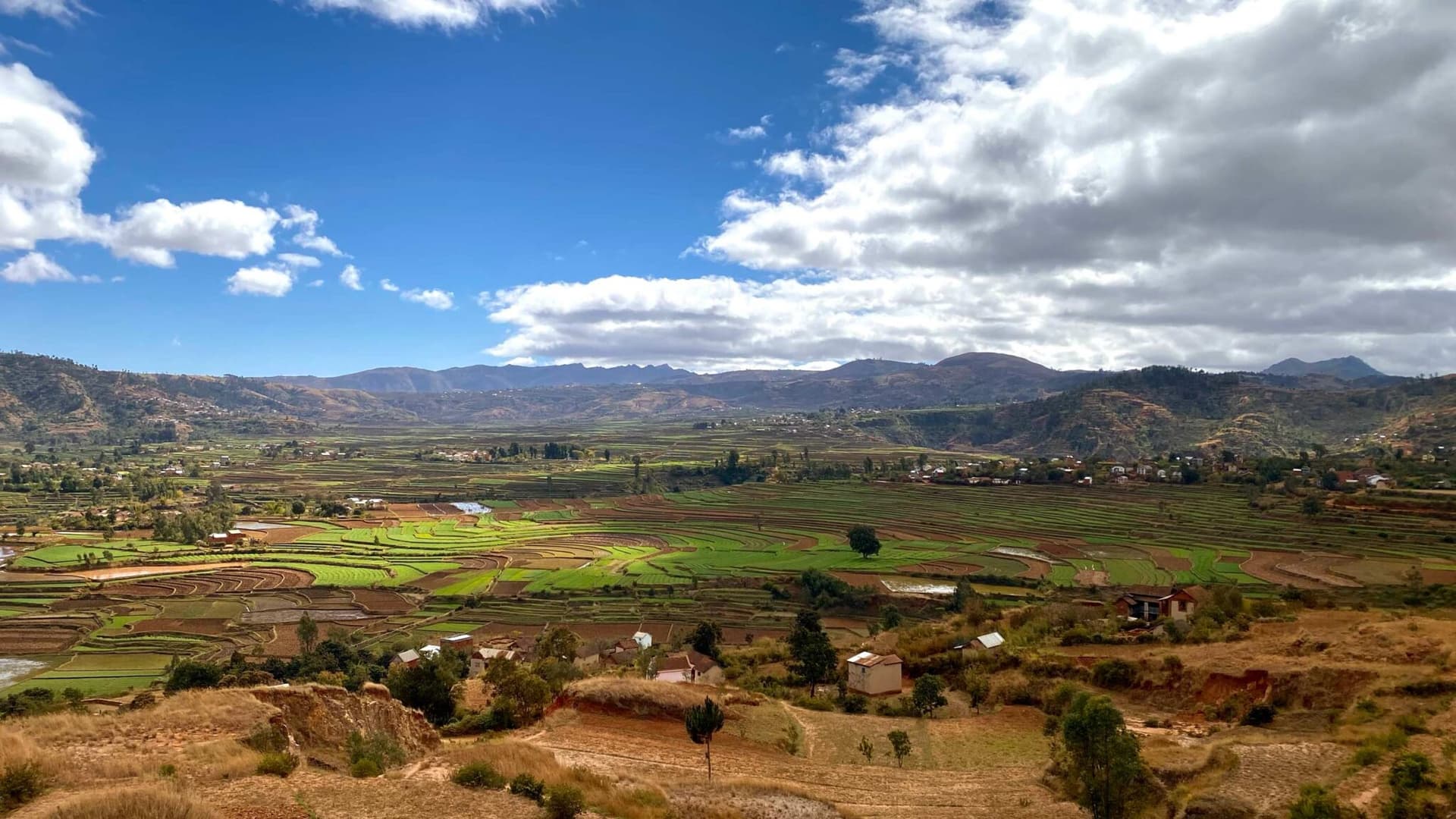

Restoring land can help keep moisture in the soil for rainfed crops, feed atmospheric moisture flows, and reduce the amount of sediment reaching rivers and reservoirs. The benefits depend on local conditions and the measures chosen. Identifying the water challenges early helps project teams decide what to restore, who stands to benefit and what to monitor and measure.
During its lifecycle, an FLR initiative can attract different sources of funding for different activities or stages. Grants and loans on favourable terms can help pay for early assessments and pilot projects. Public budgets can support shared needs such as long-term water monitoring. Private investment can help restoration enterprises expand where they can generate revenue. In some watersheds, water funds can enable downstream users to contribute to the cost of water-smart conservation or restoration upstream.
The paper recommends funding baseline water measurements before restoration begins and agreeing with partners on how to verify results. It also explains why clear institutional responsibilities, secure land tenure, and fair sharing of benefits matter when putting financing arrangements in place.
Cite as: Stockholm International Water Institute (SIWI) (2026). Financing green water: Mobilizing finance for water-smart forest and landscape restoration. https://siwi.org/publications/financing-green-water-mobilizing-finance-for-water-smart-forest-and-landscape-restoration