Stay informed
SIWI newsletter
Receive SIWI’s latest news, events, reports and jobs directly in your inbox.
You can unsubscribe at any time.

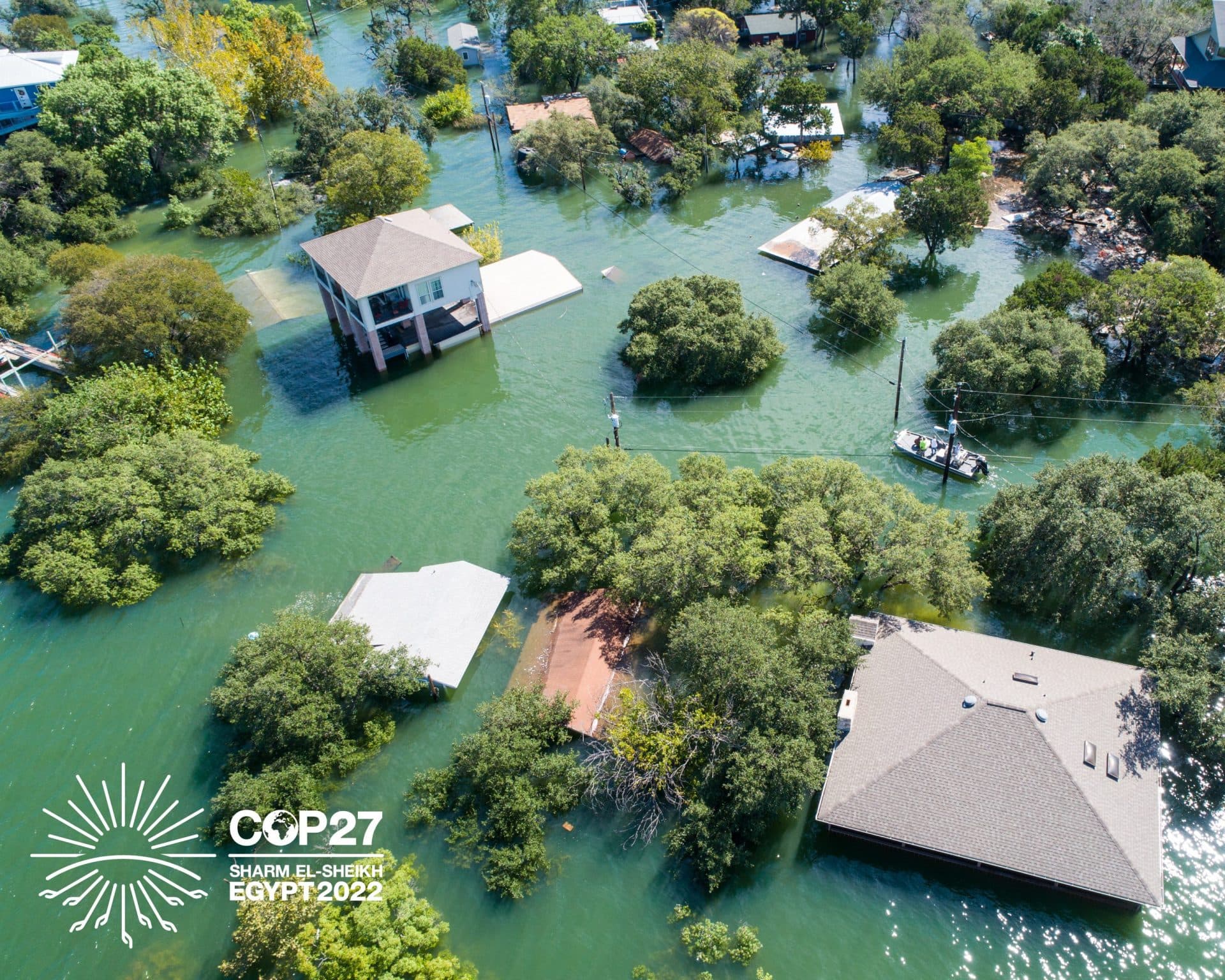
We feel the effects of the climate crisis through water, but not equally. A UN women article highlighted how women and girls are disproportionately affected by climate change while another report stated that every child will experience global warming by 2050. A worsening climate and water crisis also jeopardizes human rights.
Our cross-cutting issues gender equality, youth empowerment and the human rights-based approach guide all of SIWI’s work. By mainstreaming these perspectives into all projects and programmes, we contribute to inclusive and effective water governance. This can in turn contribute to more sustainable and equitable climate policy for people and the planet.
“Climate change is sexist” US politician Nancy Pelosi told COP26. Last year the UNFPA shared five ways climate change afflicts women and girls including leading to more gender based violence and an increase in child marriages. This latter also seen in a worrying trend identified by UNICEF in drought-stricken areas of Horn of Africa. In the regions of Ethiopia worst affected by the drought, child marriage has on average more than doubled in the space of one year, according to UNICEF analysis.
We cannot leave anyone behind and we need all hands on deck to solve the climate crisis – a gender lens makes both a reality. We need to include the needs, knowledge and vulnerabilities of women in our adaptation strategies.
Applying a human rights-based approach (HRBA) means putting people centre-stage. This is especially important when increasing water scarcity requires difficult allocation prioritizations. It can help prevent a vicious cycle where the poor are at risk of falling further and further behind since they tend to be disproportionally affected by climate change and environmental degradation. This was clear during the discussion on loss and damage during COP26, the effects of which can be detrimental for human rights.
The Unitarian Universalist Service Committee (UUSC) concluded: “COP26 failed in advancing action and commitments that are required to protect the human rights and dignities of communities who are already at risk around the world.”
Societies and communities will need to undergo huge transformations to adapt to and mitigate climate change but these cannot be at the disproportional cost of vulnerable people. A term that has grown in use in recent years is climate justice. Its central argument is a reshaping of climate action from a technical effort to cut emissions into an approach that also addresses human rights and social inequality.
Read the article from OHCHR about the importance of integrating human rights at the UNFCCC.
Once youth are fully equipped to realize their potential, youth can become creators, leaders, and entrepreneurs in addressing the challenges of the sustainable management of water resources in a changing world and global climate, and will contribute to the implementation of the Sustainable Development Goals.
SIWI’s Juanita Ayala will be participating 7th UN Climate Change Conference of Youth (COY17). Juanita will attend sessions and provide input that builds on the importance of developing mechanisms and creating spaces on how to advance in the participation ladder, particularly for youth. One way this can be done is by developing knowledge, to strengthen water governance, improving it with youth engagement.