




Stay informed
SIWI newsletter
Receive SIWI’s latest news, events, reports and jobs directly in your inbox.
You can unsubscribe at any time.

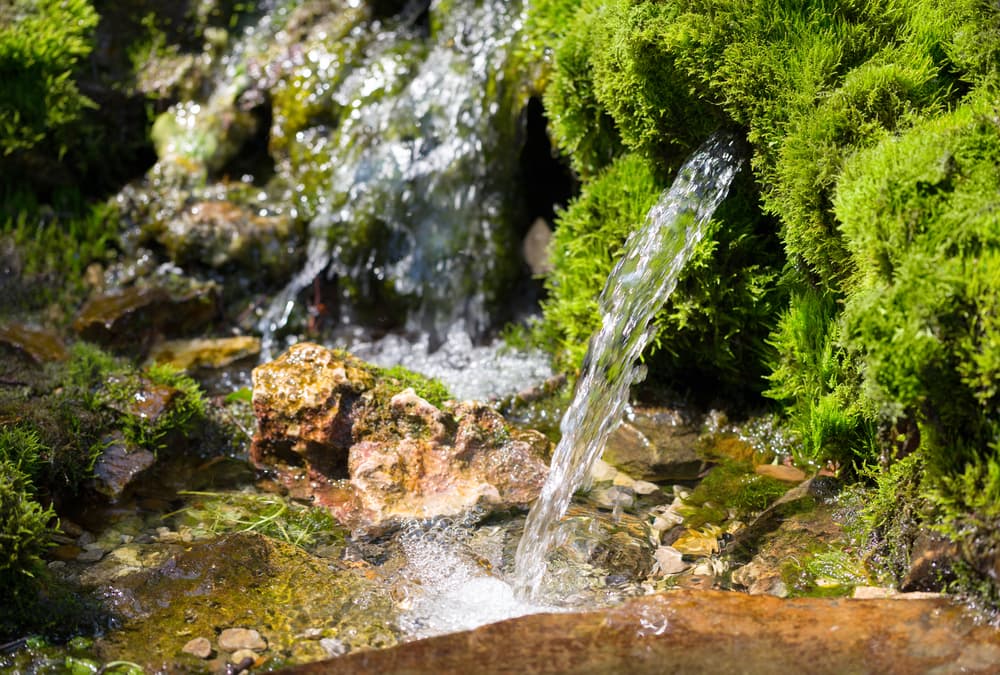
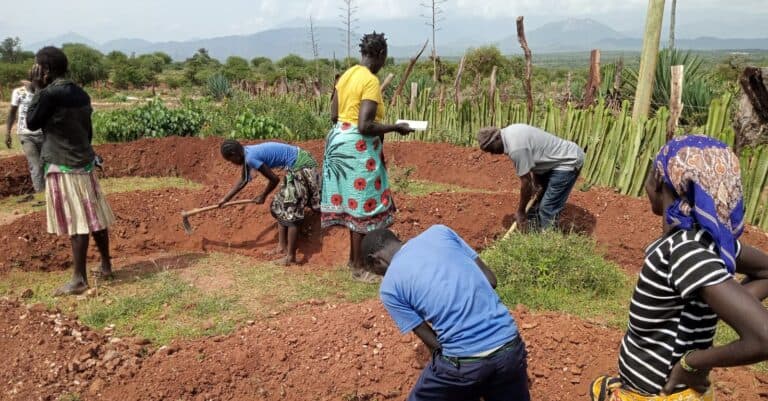
Although green water makes up around 65 percent of freshwater on land, it remains largely absent from international governance frameworks and policy discussions.
The work comes as global attention on water is intensifying ahead of major international processes in 2026, including World Water Week in Stockholm, COP31 of the UNFCCC and the UN 2026 Water Conference in Abu Dhabi.
Over the next year, SIWI will lead work to analyze governance gaps related to green water and explore how international frameworks could better recognize and integrate it into decision making.
The project will result in a major policy report with recommendations for how green water can be better reflected in international governance, climate resilience, and water policy discussions and frameworks.
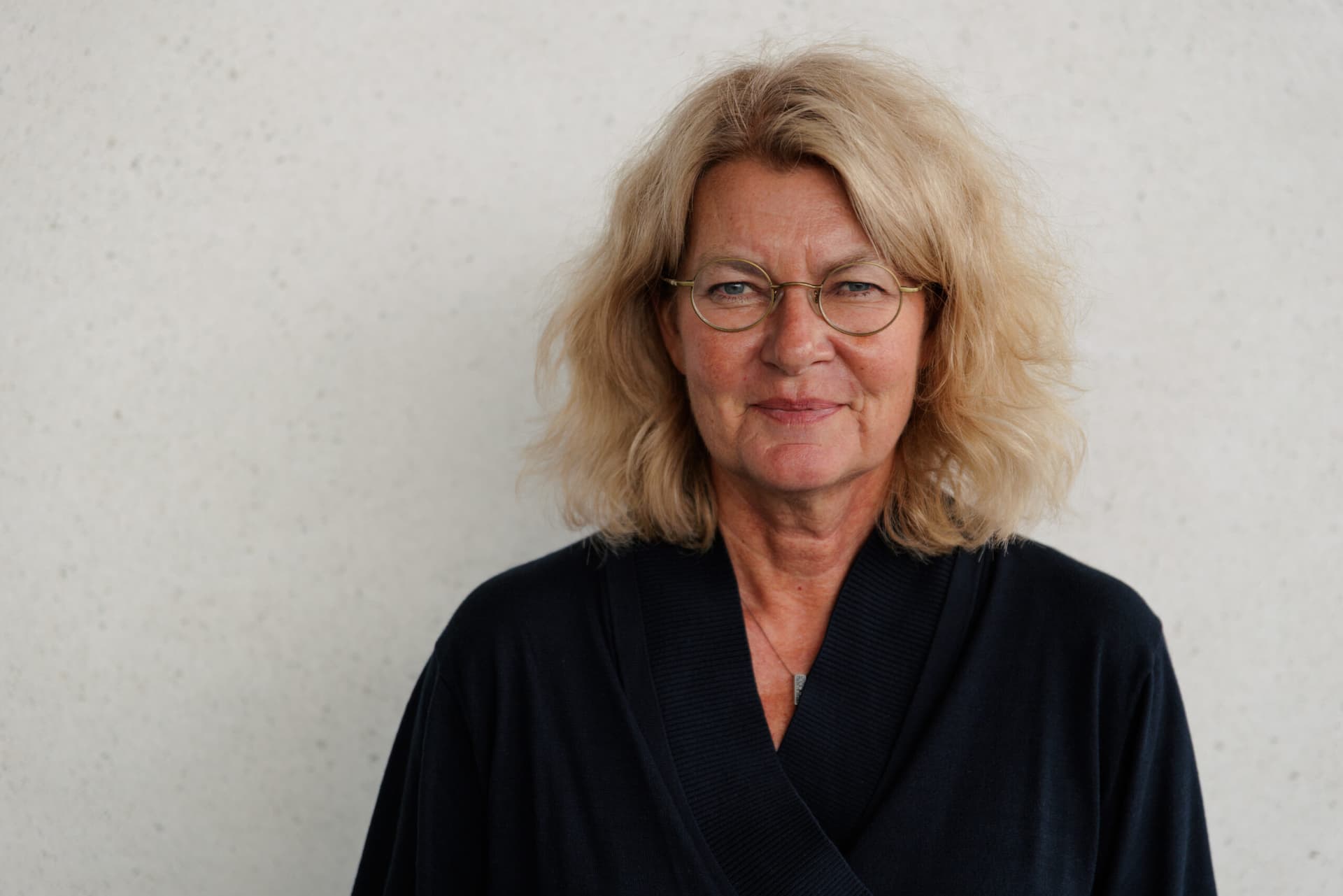
The work, led by SIWI’s Senior Advisor Anna Tengberg together with experts working on water governance, climate and resilience, responds to growing scientific concern that current approaches to water governance are no longer keeping pace with changes in the global hydrological cycle. Existing frameworks mainly focus on rivers, lakes, and groundwater within national or basin boundaries. The wider role of green water in regulating rainfall, sustaining agriculture, and supporting ecosystems is often overlooked.
This initiative will examine challenges ranging from fragmented institutions and legal gaps to limited indicator and monitoring systems, financial barriers and the limited inclusion of Indigenous and local knowledge and institutions in water governance processes.
It will also explore practical governance options. This includes how green water could be better integrated into international frameworks such as the Sustainable Development Goals, the Rio Conventions and climate adaptation planning.
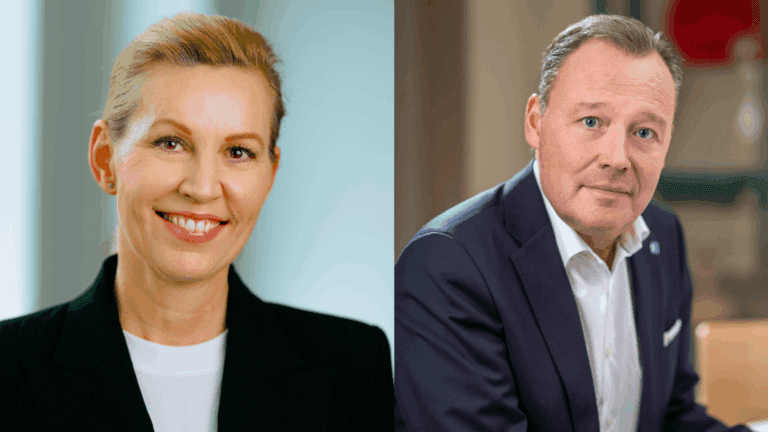
“Water is increasingly emerging as a defining issue across climate, food systems, ecosystems and economic resilience,” said Helena Thybell, Executive Director at SIWI. “This collaboration reflects the need for new conversations and new governance approaches that better connect these systems. SIWI sees green water as an important part of that discussion moving into 2026.”
“Most water governance frameworks still focus on rivers, lakes and groundwater,” said Anna Tengberg, PhD, Senior Advisor at SIWI. “But green water plays a critical role in regulating rainfall, sustaining agriculture and supporting ecosystems. Without understanding those connections, it becomes much harder to build long-term climate resilience.”
“Green water is essential for global resilience, yet remains largely ungoverned. Our support addresses this critical governance gap, ensuring it receives the policy attention it demands. This initiative with SIWI, an impartial knowledge leader in water governance, aims to drive the collective action needed to bridge science and policy,” said Eva Mineur, Head of Climate & Sustainability at the Global Challenges Foundation.
As part of the initiative, SIWI will convene dialogues with policymakers and experts throughout 2026, including at World Water Week in Stockholm and COP31. The conclusions from the policy report are expected to be launched in connection with the UN 2026 Water Conference in Abu Dhabi.
The collaboration reflects a broader shift in how water is being discussed internationally. Increasingly, researchers and policymakers are calling for water to be governed not as a standalone sector, but as part of an interconnected Earth system shaped by climate, land, ecosystems and economies.
Through this initiative, SIWI aims to strengthen understanding of green water and contribute to new approaches that better reflect the realities of a rapidly changing climate and hydrological cycle.
Stay tuned for updates throughout 2026, including insights from World Water Week, COP31 and the development of the report.
Stockholm International Water Institute (SIWI) is an independent, non-profit organization based in Stockholm and working globally to improve how societies manage and make decisions about water. We help ensure that water supports resilient, fair, and sustainable futures by bringing partners together, developing trusted knowledge, and turning insights into practical action.
The Global Challenges Foundation (GCF) is a non-profit organization dedicated to raising awareness of global catastrophic risks and strengthening global governance to address them.