Stay informed
SIWI newsletter
Receive SIWI’s latest news, events, reports and jobs directly in your inbox.
You can unsubscribe at any time.

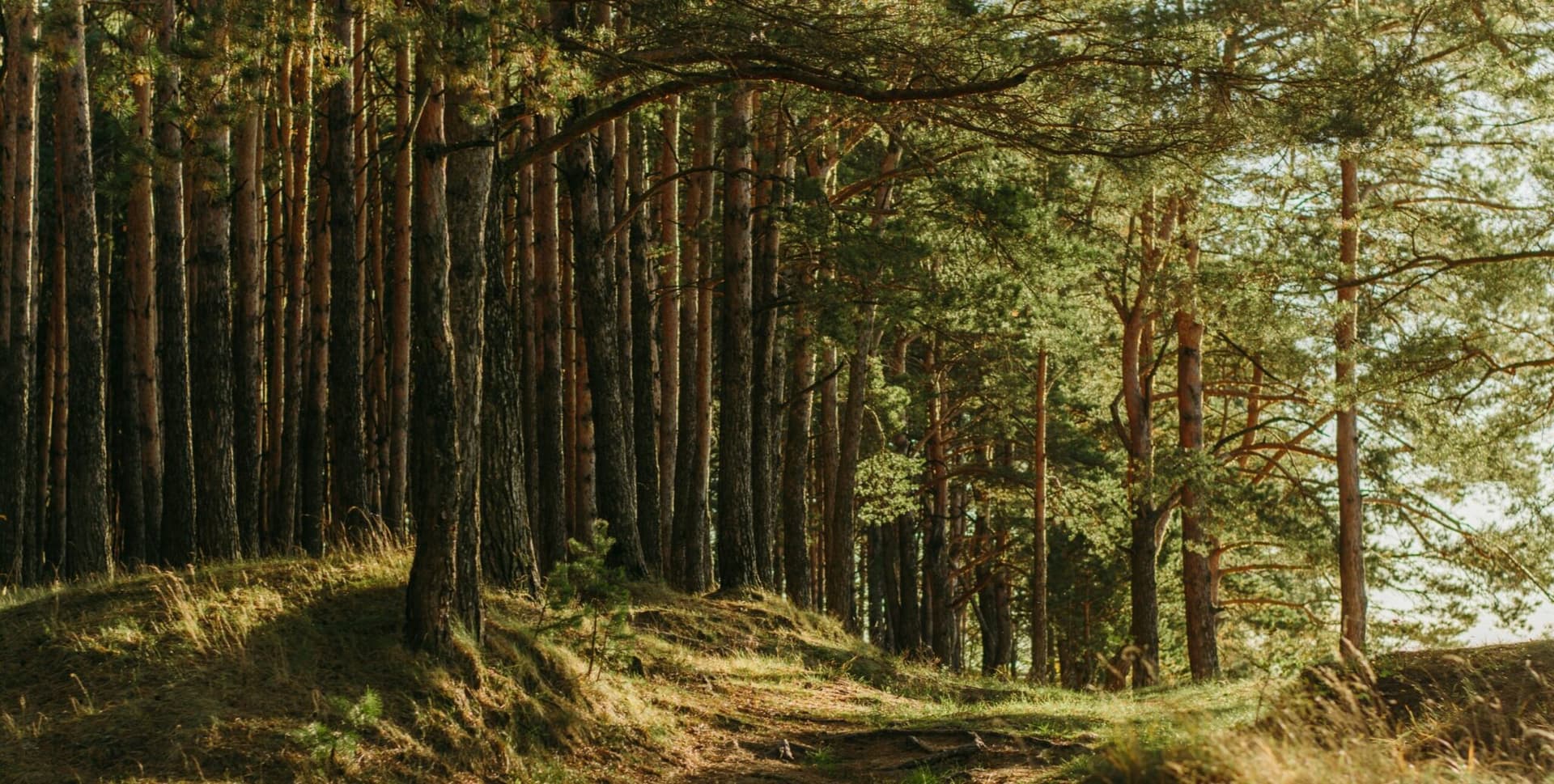

Forest-based climate change mitigation measures are being implemented worldwide across both public and private sectors. Their impacts, however, are complex. Depending on location, type of measure, and method of implementation, forests can either enhance or degrade water–climate–biodiversity functions. For instance, afforestation may reduce water yield in streams, leading to scarcity, but it can also reduce erosion and increase rainfall.
At the same time, ongoing climate change threatens the resilience of existing forest systems – their ability to prepare for risks, absorb adverse impacts, and adapt or recover from disruptions. Major knowledge gaps remain on how to strengthen the capacity of forest measures to remain effective under future hydroclimatic shifts and more frequent, severe, and prolonged ecological droughts. Research shows that forests can adapt, for example by altering water-use efficiency or rooting depth. Choosing species suited to future climate conditions in reforestation projects is one way to build resilience. Studies also reveal large differences in carbon uptake and resilience between natural regrowth, managed forests, and plantations.
The choice of forest measure also affects water–climate–biodiversity functions at local scales and more broadly through atmospheric feedbacks such as albedo changes, shifts in moisture transport, carbon sequestration, and fire regimes. Finally, these measures are embedded in social-ecological systems, meaning their long-term functioning also depends on social capacity to maintain and secure them in the face of change.
Project website: https://reformit.org/
Project funded by:


Stockholm Resilience Centre (SRC)

KTH – Royal Institute of Technology

The Potsdam Institute for Climate Impact Research (PIK)