

Stay informed
SIWI newsletter
Receive SIWI’s latest news, events, reports and jobs directly in your inbox.
You can unsubscribe at any time.


The Stockholm International Water Institute (SIWI), along with partners the Water Governance Facility, the United Nations Development Programme, Deutsche Gesellschaft für Internationale Zusammenarbeit (GIZ), Potsdam Institute of Climate Impact Research, and the Stockholm Resilience Centre, released the report The Essential Drop to Reach Net-Zero: Unpacking Freshwater’s Role in Climate Change Mitigation in 2022, after nearly two and half years of work.
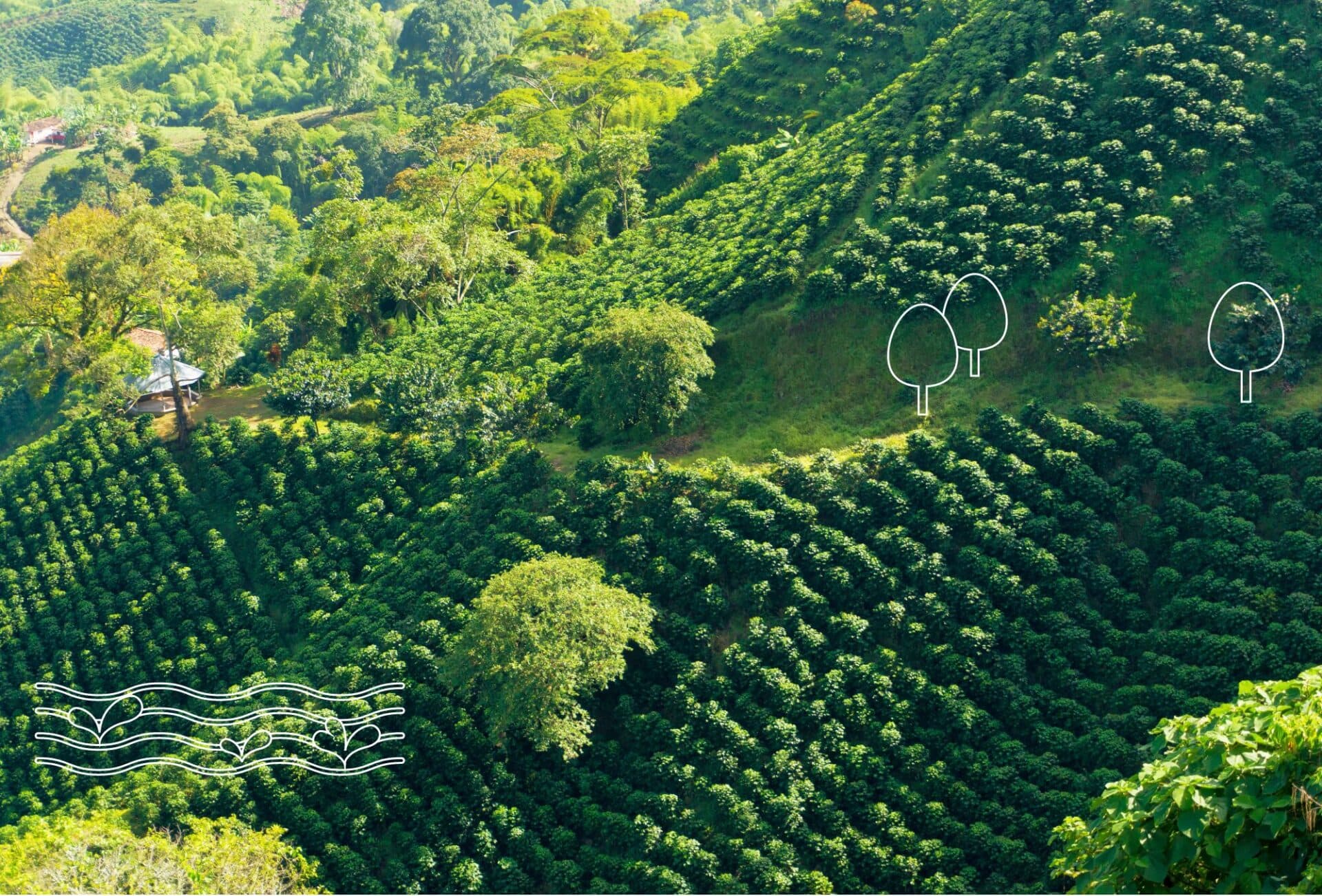
Now, the chapter, “Chapter Six: Mitigation measures in land systems”, gets a special highlighted debut. This chapter delves into the critical role that freshwater in land-based ecosystems and agricultural systems plays in climate mitigation and adaptation. It discusses the mitigation potential of forests, grasslands, pastures, and croplands, as well as the impacts and dependencies between these systems and water. The chapter also considers the potential governance implications of different policies.
When climate mitigation is discussed, land systems are a pivotal area to unlock. Forestry and agriculture as a sector can provide 20-30% of mitigation required to ensure global warming remains at less than 1.5 degrees Celsius pre-industrial levels. This is the only sector where large scale carbon dioxide removal may be possible. In land-based systems, with the right measures, it is possible to reduce emissions from agriculture and forests, sequester carbon in trees, plants and soils, and protect existing greenhouse gas sinks in forests, wetlands, peatlands, and soils. Conserving, restoring, and managing land and forests sustainably have the potential to decrease flood risks, increase groundwater recharge, decrease droughts by improving soil moisture through increased water vapor exchange with the atmosphere, reduce emissions from agriculture and degraded land, and enhance the capacity of ecosystems and agroecosystems that sequester carbon.
However, land systems rely on, and depend on, the water cycle. Preventing deforestation and degradation helps preserve the water cycle, the key regulator of energy, water, carbon, and nutrients. It also has local carbon storage effects and the potential to multiply carbon mitigation benefits by sustaining downwind rainfall over other ecosystems.
This chapter, and the report, have even more vital information to impart, placing particular emphasis on the linkages between land systems and water when considering climate mitigation plans, policies, and governing strategies. To find out more about the potential benefits and tradeoffs of the linkages between water and land, download a copy of the report, or of the sixth chapter, Mitigation measures in land systems, or take a look at The Essential drop to Net-Zero collaboration.