


Stay informed
SIWI newsletter
Receive SIWI’s latest news, events, reports and jobs directly in your inbox.
You can unsubscribe at any time.


In a series of five webinars, SIWI and fellow experts will explore how water can be used more effectively as a tool to mitigate climate change. Each webinar explores a different sector, with insights based on new research summarized in the landmark report The essential drop to reach net-zero: Unpacking freshwater’s role in climate mitigation.
On 16 March, the discussion will focus on freshwater systems. Report author Nureen Faiza Anisha from Oregon State University gives us a quick overview on the key role freshwater plays in climate mitigation.
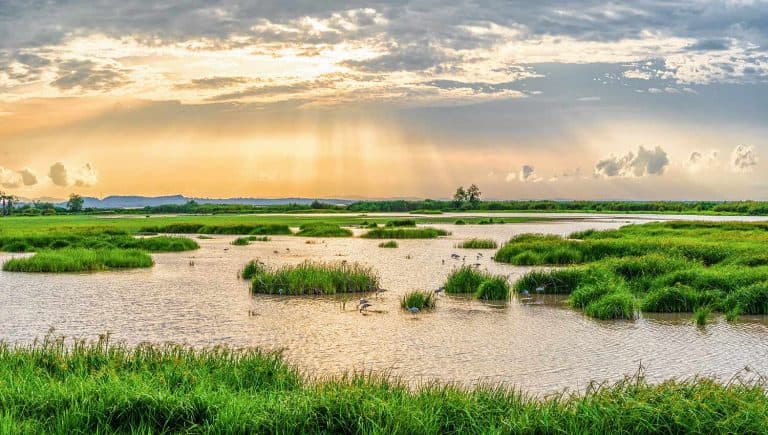
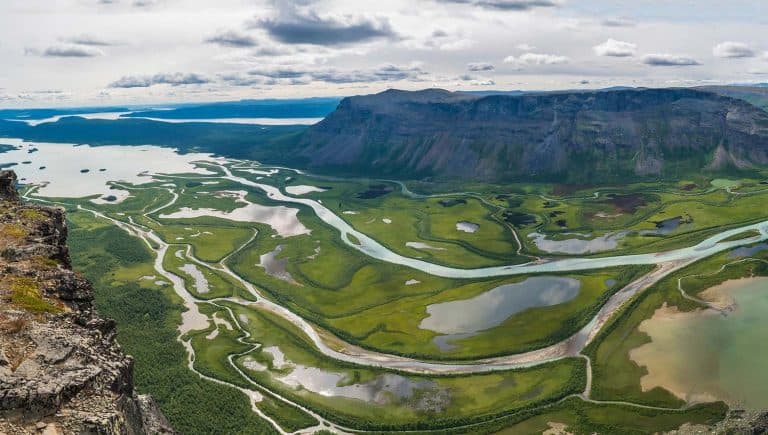
When we talk about climate change mitigation through natural systems, we commonly talk about ocean, forests and soils, and their role is widely acknowledged in achieving net zero target. The role of freshwater ecosystems (such as wetlands, rivers, lakes, etc.) in achieving climate mitigation targets has not yet been widely acknowledged to the extent reflecting their potential. But these aquatic environments can act as both greenhouse gas (GHG) sources and sinks based on their environmental conditions and management practices. This duality to be both source and sink is what makes freshwater systems important in the global carbon budget.
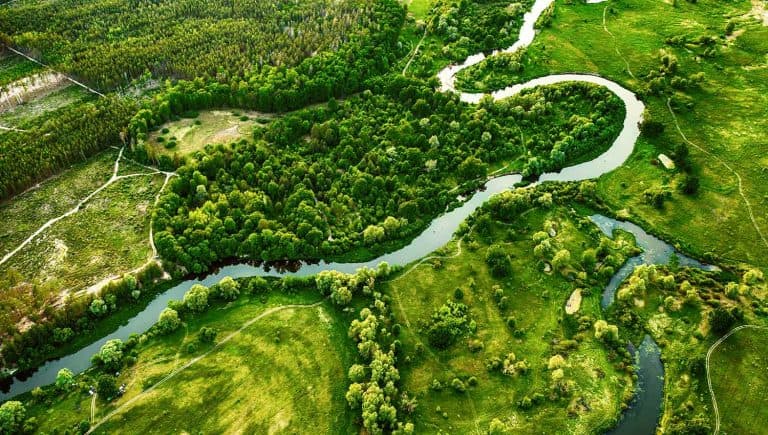
For example, rivers globally are estimated to account for about 3% of global terrestrial N2O emissions and this rate of emission is increasing. On the other hand, river systems, particularly floodplains, can efficiently sequester carbon too.
Again, wetlands have one of the highest stores of soil carbon in the biosphere, storing more than 30% of the estimated global carbon emissions, despite covering about 7% of the world’s surface. But when drained or disturbed, we not just lose the stored carbon pool in the wetlands, we deplete our future carbon sinks. Hence, it is important to understand which conditions trigger emissions from freshwater systems and which ones enhance carbon sequestration. We can only utilize freshwater systems for climate change mitigation when our management decisions are well-informed.
In the chapter “Mitigation measures in freshwater ecosystems”, we comprehensively discuss the climate change mitigation potential of freshwater systems, the relevant risks, knowledge gaps, management recommendations and potential implications for governance.
In this webinar, we will be sharing the key findings and recommendations regarding wetlands, rivers, lakes, etc. We will also share insights about freshwater systems from Nationally Determined Contributions (NDCs) and case studies on peatland rewetting and watershed management for climate change mitigation.
This webinar aims to shed light on how to mainstream freshwater-based climate change mitigation through policy and practice.
We need to bring our attention to the role that freshwater systems can play in climate change mitigation and mainstream their inclusion in mitigation actions.
This requires: