Stay informed
SIWI newsletter
Receive SIWI’s latest news, events, reports and jobs directly in your inbox.
You can unsubscribe at any time.


Access to clean water is a basic human right. While endorsed by the United Nations (UN) and countless other organizations, including and stoutly argued for by the Stockholm International Water Institute (SIWI), this right is not fully recognized. On the contrary, a recent study by the Pacific institute shows a surge in attacks of water supplies. When water is used as a weapon in armed conflict, it exacerbates hostile strife, and jeopardizes many lives. However, steps are being taken that are moving in the right direction for protecting water access and creating peaceful cooperation over water.
Since 2010, when safe and affordable drinking water was formally recognized by the UN General Assembly and Human Rights Council as a human right, the protection of water resources has continued to be a part of international, regional, and domestic laws across the globe. However, these international and human rights laws are often overlooked, or deliberately disregarded, during armed conflicts. Water can be a cause of conflict, used as a critical tool or weapon in conflicts, or a casualty of conflict placing water in the combat zone.
This is a devastating violation of human rights laws that puts people in vulnerable situations, particularly in areas that are already considered water scarce. Women and girls ultimately pay the steepest price for this exploitation, where water collection is necessary, as they are most often the water gatherers for their communities and will therefore be even more exposed to violence and warring skirmishes. As they also have specific needs related to menstruation, pregnancy and child care, access to water, sanitation and hygiene (WASH) is fundamental to improving health outcomes of women and girls, and for prosperous and sustainable communities.
The impacts of climate change are first and foremost experienced through water: droughts, floods, storms, and extreme weather events are much more likely to occur, inducing higher levels of water insecurity, particularly, in already water scarce regions.
In fragile and conflict affected areas, climate insecurities can be felt more severely by the population; if provisions of water are strategically sabotaged in an already water-scarce area, vulnerable populations only become more vulnerable. This leads to further economic, political, and social issues, complicating an already complex situation.
While the short term consequences of weaponizing water during an armed conflict may seem obvious, the long term effects are often overlooked, yet can be just as damaging.
When water supply or infrastructure is targeted during conflicts, in the short term, people’s livelihoods are at risk, the environment is destroyed, and infectious diseases spread. However, in the long term, the environmental damage can be extensive, including the durable contamination of soils, particularly groundwater, the long-lasting imbalance of fragile ecosystems, and insidious effects on people’s health and longevity. Further, repairing damaged infrastructure has exorbitant economic costs, which can prevent local governments from investing in other essential areas like health, education or public services, which increases vulnerabilities in the long term.
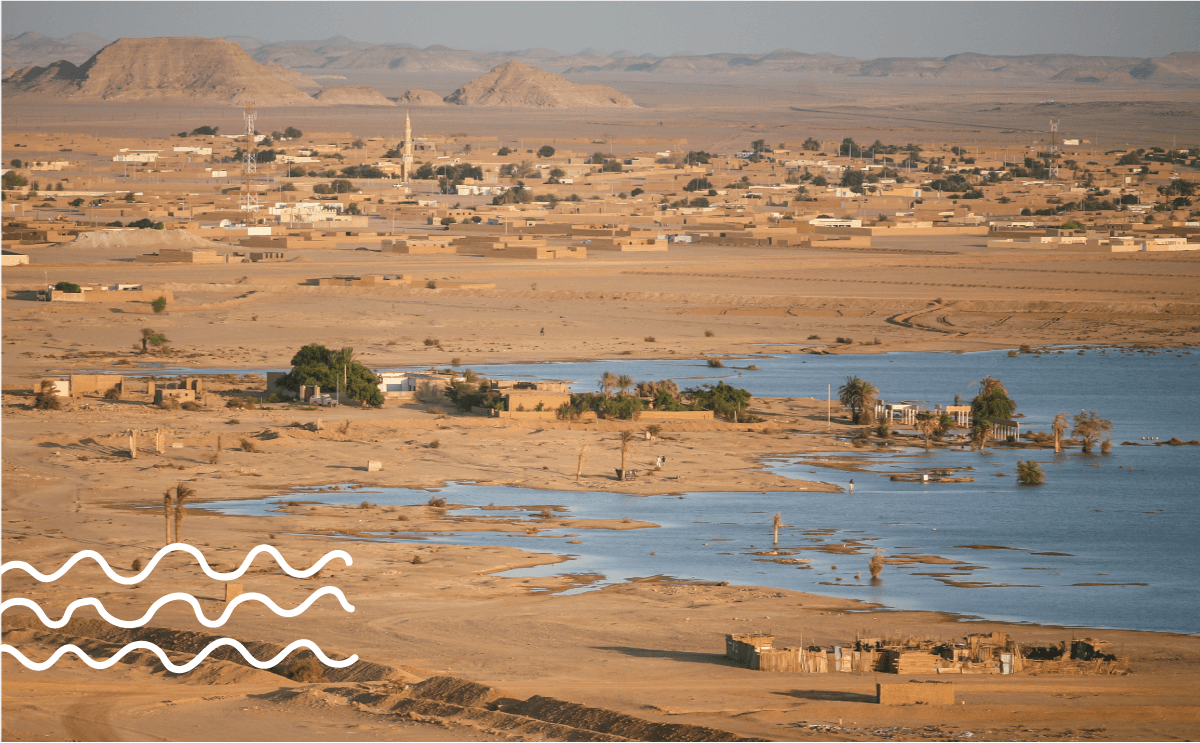
Water resources often cross boundaries of more than one country. More than three billion people depend on shared water that crosses borders. When these shared waters happen to be in conflict-laden areas, this can create a tense situation in accessing clean water for neighbouring countries, and can lead to an increasingly hostile environment, triggering violence and exacerbating conflict.
At present, in regions experiencing armed conflict, such as in Ukraine, Gaza, and Sudan, water is being actively utilized as part of a strategy for oppression. Since 2022, in Ukraine, Russia has attacked dams, wells, and pipelines, contaminating water, and withholding water access for more than 20 days at a time. In Gaza, Israeli forces responded to attacks by denying and restricting access to freshwater, water-treatment plants, and other locally produced water systems, preventing populations from accessing basic amounts of safe drinking water according to World Health Organization (WHO) guidelines. Sea water has also been used to flood Hamas tunnels, which will result in the salinization of soils, making the entire area unfit for farming for decades to come. In Sudan, several water treatment plants and pumping stations have been destroyed, resulting in frequent water outages, and leaving people without access to basic sanitation services.
As more data is compiled and analyzed, it seems that there is an increase in water-related conflicts; when water serves as a trigger, weapon, or is a casualty of war. The increase in this strategic use of water during attacks is troubling, as more conflicts are sure to continue in the coming years, while water resources continue to dwindle.
As the impacts of climate change intensify, it is even more important that countries cooperate to build and maintain peace as they prepare for the inevitable uncertainties surrounding water and resources.
How then, can water be used as a tool for peace and support conflict prevention and cooperation?
Water can be a tool to bridge the disrupted gaps between countries, actors, and parties. Through preventive diplomacy, crisis management, conflict resolution, and peace building processes, water can be an entry point for cooperative dialogues.
However, there is still a long way to go, as water cooperation agreements continue to be underutilized; for example, of 310, only one third of transboundary river basins have formalized agreements. And this number only lessens when you broaden the water scope to include aquifers, where limited freshwater is most readily stored.
These are all steps in the right direction for proper protection of water resources. However, many more international, regional, and domestic laws must continue to follow these trends to make serious headway in peaceful water resource recognition.
Unknown block type: Unknown
{
  "layout": "topicsSliderBlock",
  "title": "Explore more",
  "preamble": null,
  "topics": [],
  "link": null
}