








Stay informed
SIWI newsletter
Receive SIWI’s latest news, events, reports and jobs directly in your inbox.
You can unsubscribe at any time.


The brief is the latest in SIWI’s 2026 Insight Brief Series, which follows how water discussions are evolving across major international processes in the lead-up to World Water Week, COP31, the 2026 UN Water Conference, and the 11th World Water Forum.
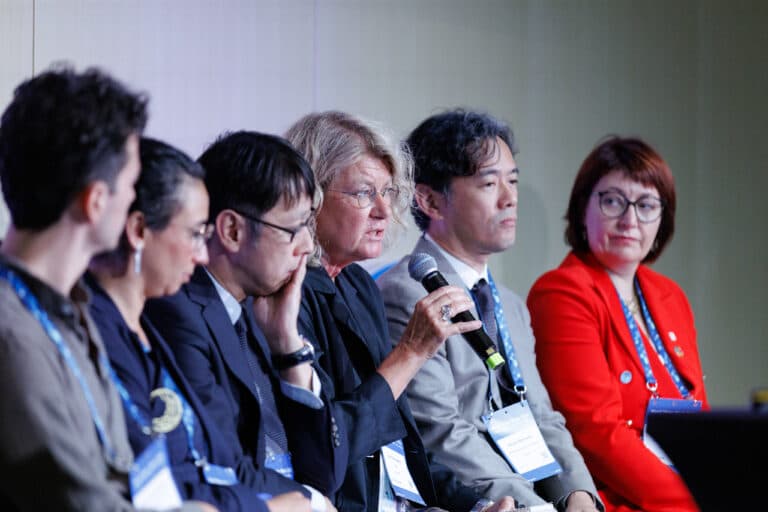
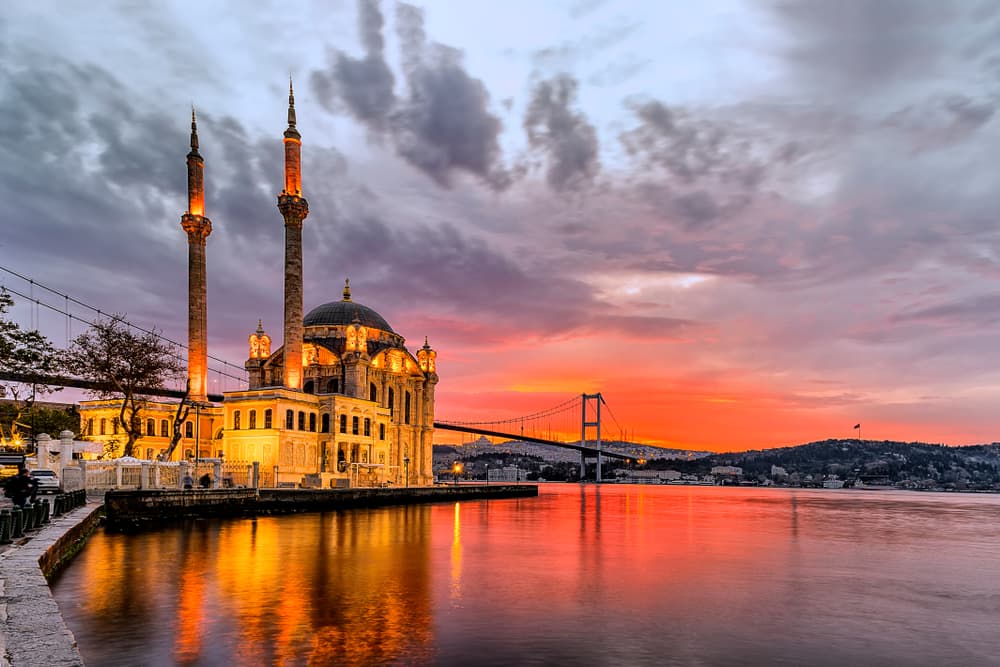
Held under the theme Strengthening Water Resilience: Innovation to Action, the Istanbul International Water Forum brought together governments, regional organizations, multilateral institutions, and water experts from across the MENA region, Central Asia, and beyond. SIWI contributed to discussions on inclusive water dialogues and partnerships through the participation of Martina Klimes, Thematic Lead and Senior Advisor, Climate, Water and Peace.
Discussions reflected growing recognition that water challenges are increasingly linked with climate resilience, food systems, energy security, economic stability, and regional cooperation.
Discussions reflected growing recognition that water challenges are increasingly linked with climate resilience, food systems, energy security, economic stability, and regional cooperation.
One of the clearest signals emerging from the Forum was the growing focus on implementation.
Across discussions, participants repeatedly emphasized that many commitments, frameworks, and technical solutions already exist. The challenge now is how to translate them into sustained action through stronger financing mechanisms, institutional coordination, governance capacity, and long-term cooperation.
The brief also highlights increasing attention around resilience and preparedness, particularly through adaptation planning, early warning systems, and cross-sector coordination. At the same time, discussions reflected concern that governance and financing systems are struggling to keep pace with increasingly interconnected climate, water, and security risks.
Another notable theme was the continued emphasis on cooperation despite an increasingly fragmented geopolitical landscape.
Participants across regions stressed that long-term resilience will depend on stronger collaboration around shared water resources and more inclusive approaches to governance and dialogue. Financing for adaptation and transboundary cooperation also emerged as a recurring concern throughout the Forum.
The SIWI Insight Briefs are designed as short, external-facing analyses capturing key signals emerging from major global water events where SIWI is engaged. Rather than summarizing meetings, the series focuses on identifying shifts in priorities, recurring tensions, and areas where more clarity or coordination may be needed across the broader international water agenda.
The Istanbul brief follows SIWI’s first Insight Brief released after the UN-Water meetings in Rome earlier this year. Together, the series is helping build a clearer picture of how discussions around water, climate, resilience, governance, and implementation are evolving across regions and global processes throughout 2026.