









Stay informed
SIWI newsletter
Receive SIWI’s latest news, events, reports and jobs directly in your inbox.
You can unsubscribe at any time.

Adapted by SIWI from an article by Antonio Piemontese, published in Avvenire on 28 September 2026. This shortened English adaptation focuses on Martina Klimes’s comments. Republished with permission.
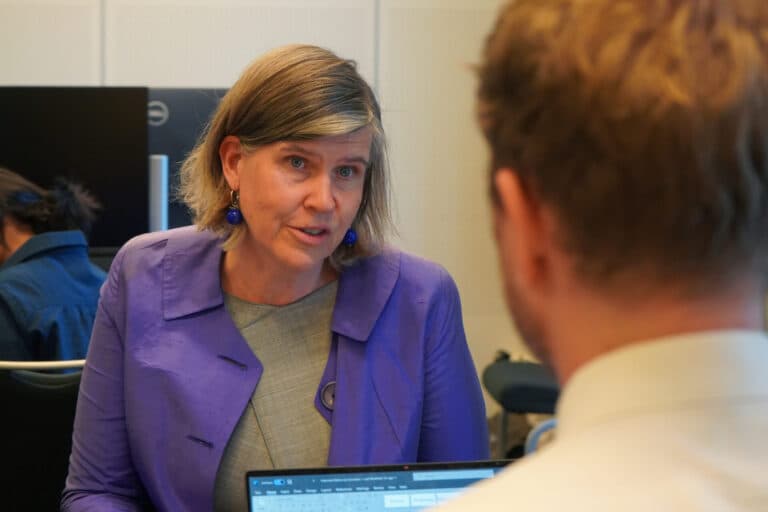
Can water become an instrument of diplomacy? In an article in Italian newspaper Avvenire, SIWI’s Martina Klimes describes examples from Africa where countries have established institutions to manage shared water, infrastructure and benefits.
These arrangements provide practical mechanisms for cooperation. But the article also examines the distinction between water diplomacy and the use of infrastructure projects to extend geopolitical influence.
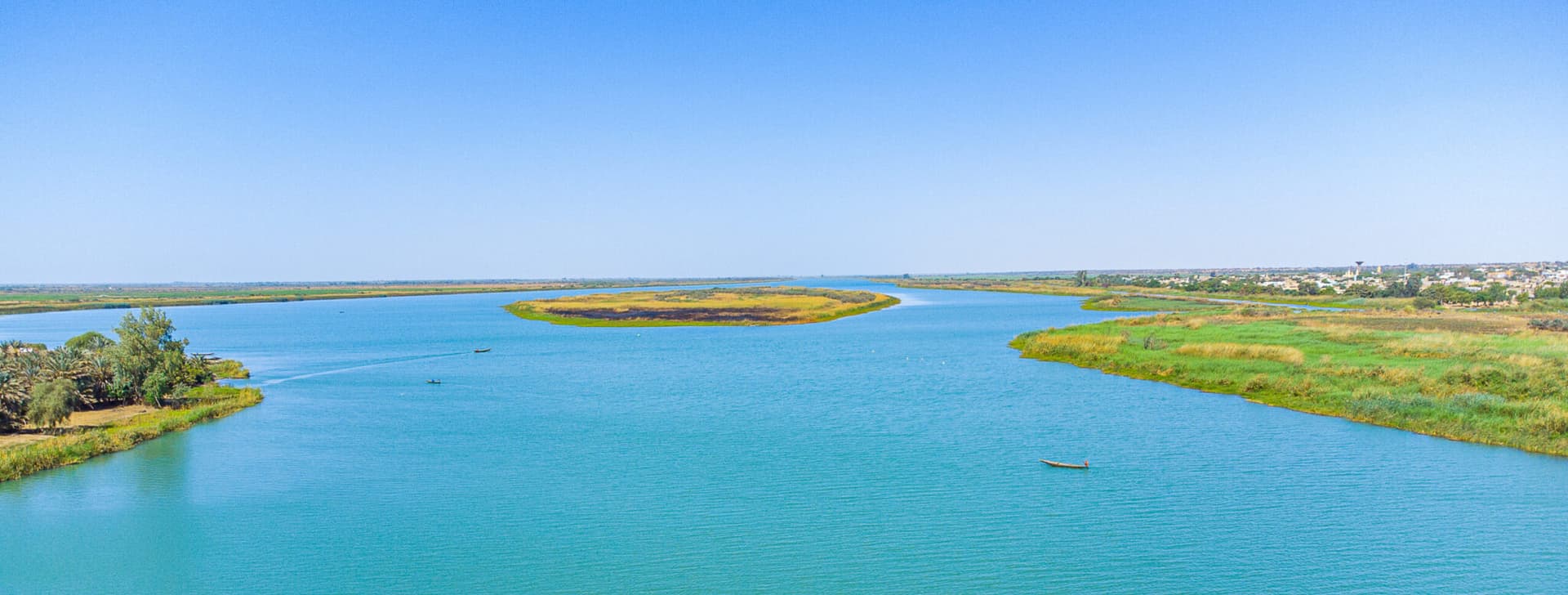
The Senegal River Development Organization, known by its French acronym OMVS, offers one example. Established in 1972 in response to persistent drought, it brings together Mali, Mauritania, Senegal and, since 2006, Guinea.
Martina explains that the arrangement provides for shared ownership of infrastructure, such as dams, within the river basin, with countries sharing costs and benefits. She says the approach has attracted representatives of other countries interested in learning from the experience.
Martina also points to the Lake Chad Basin Commission, whose members include Cameroon, Chad, Niger, Nigeria, the Central African Republic and Libya.
She describes an institution whose role extends beyond managing the region’s water resources. According to Klimes, following a kidnapping of students by Boko Haram in 2014, the commission was the only regional platform available to initiate negotiations.
Her example illustrates how an institution established around shared water can take on a role in wider regional dialogue.
The original article also examines the Julius Nyerere dam in Tanzania, built by an Egyptian consortium. It asks whether this represents water diplomacy or an exercise of geopolitical influence.
Martina describes Egypt’s involvement as economic “soft power”—the use of economic relationships to increase influence. The article also presents journalist and water analyst Peter Schwarzstein’s more critical interpretation of the project, alongside environmental and human rights concerns associated with its development.
Martina describes water diplomacy as a process for reaching results. It involves foreign ministers alongside engineers and scientists, combining technical knowledge with consideration of political complexities.
She also cautions against putting excessive pressure on these cooperation platforms. They cannot replace wider diplomatic negotiations, because they were not designed for that purpose.
Read Antonio Piemontese’s full article in Avvenire, “Perché la diplomazia dell’acqua può aiutare l’Africa”, for the complete analysis. The original is in Italian.