Organized by Stockholm International Water Institute (SIWI), World Water Week is the leading global conference for dialogue…
World Water Week in Stockholm is an annual, non-profit event organized by SIWI, convening decision-makers…
Each year, World Water Week brings together actors who rarely meet elsewhere: governments, companies…
Over 35 years, World Water Week has evolved from a small scientific gathering into a global meeting place, reflecting changing …
What Swedish Water House is: Connecting Sweden to global water governance
Swedish Water House works by creating spaces where Swedish actors can meet, exchange perspectives, and engage …
Events and seminars are a core way in which Swedish Water House connects Swedish actors to global water issues.
Shaping decisions that secure water for the future
A clear overview of who we are and where we are heading
Find career opportunities at SIWI
SIWI was founded in 1991
How SIWI works, who we are, and the people driving our mission
Partnerships are at the heart of how SIWI works
Tracking SIWI’s work, impact, and accountability
Support independent cooperation and long-term solutions for water
Connect
Water connects climate, economies, ecosystems, resilience, and the prospects of peace.
Explore key water topics and how they influence people, nature, and sustainable development worldwide
Connecting people, knowledge, and decisions to create lasting water impact
Bringing people together to shape collective water solutions
Connecting trusted knowledge with policy and practice
Strengthening the ability to govern water in practice
Stay up to date with SIWI’s latest resources
Case studies.Jun 24, 2020
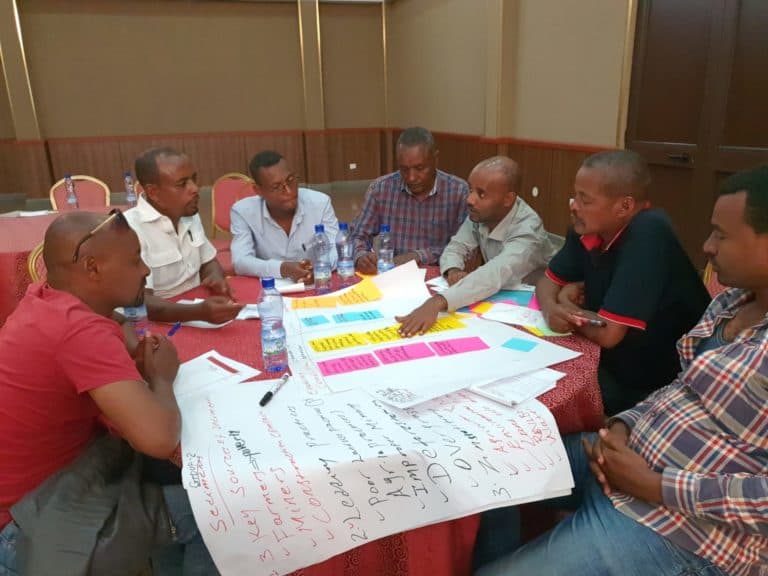
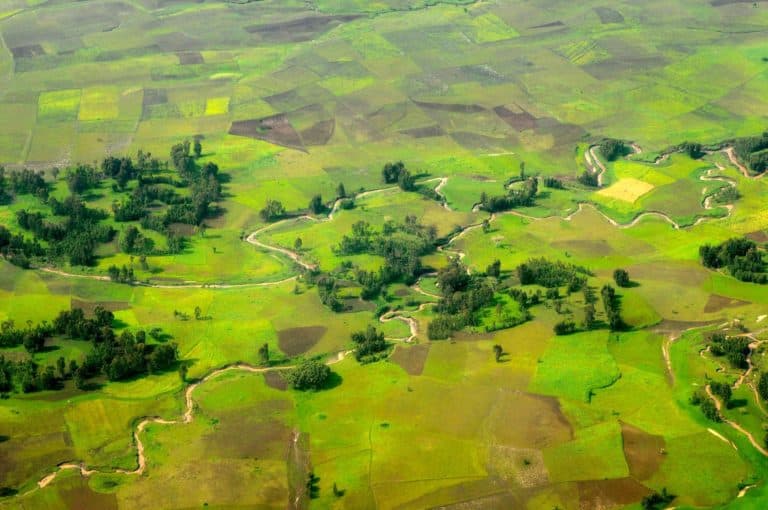
The “Foundations for Source-to-Sea Management” project, funded by the Federal Ministry of Economic Cooperation and Development (BMZ), piloted the source-to-sea approach in the Vu Gia Thu Bon River Basin, Viet Nam and the Lake Hawassa Sub-Basin, Ethiopia. This case study highlights the results, learning, and value added by applying the first three steps of [ ]
Reports and papers.Jun 16, 2020
The Earth’s clock is ticking, and alarm bells are ringing as we enter the United Nations declared ‘Decade of Action’ to achieve the Sustainable Development Goals (SDGs). Faith-based development partners and indigenous communities are essential partners in the SDG Agenda and are, in many cases, leading the way. To reach the SDGs, there is an [ ]
Reports and papers.May 4, 2020
Every tonne of food imported into Africa could have been grown there. This would provide jobs, save money and increase food security: making countries more resilient. Rethinking food imports could positively impact the livelihoods of African smallholder farmers. Every billion dollars spent on importing food is equivalent to hundreds of thousands of “Virtual Jobs”. These [ ]
Reports and papers.Mar 26, 2020
Achieving SDG 6 by 2030 depends on the water community’s capacity to mobilize private sector investment and innovation, and on its capacity to govern public private partnerships (PPPs). With the water sector being corruption prone, engaging in PPP allows one to unpack management functions and improve governance. Corruption in the water sector has negative social, [ ]
Corruption in the water sector has negative social, environmental and financial impacts. It violates people s rights by limiting their access to goods and services to meet their most basic needs; in extreme cases, corruption kills.
Reports and papers.Mar 17, 2020
The fastest pathway to long-term sustainability, even prosperity, of the water utilities sector is establishing good performance in the present-day. Good governance, and financial governance as part of this, is key to unlocking the water utility sector’s potential to become a sustainable and modern service industry.
Reports and papers.Dec 22, 2019
The overall vision of the WOCAT (World Overview of Conservation Approaches and Technologies) network is to improve land resources and ecosystems and people’s livelihoods by sharing, enhancing, and using knowledge on Sustainable Land Management (SLM). WOCAT has since its launch generated an array of outputs that need to be reviewed in terms of quality, relevance [ ]
Policy publications.Dec 2, 2019
Policy publications.Oct 29, 2019
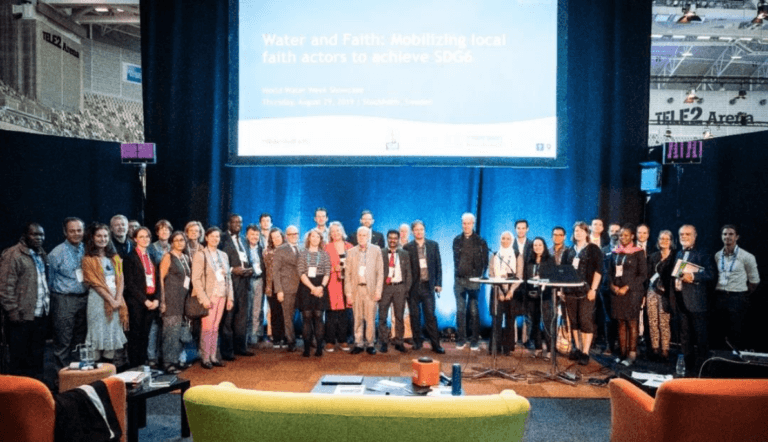
During the 2019 World Water Week, Swedish Water House’s Cluster Group on Water and Faith in partnership with the Church of Sweden and the World Council of Churches convened the now 4th annual Water and Faith Showcase and Network Meeting involving 68 different participating institutions and organizations.
Reports and papers.Aug 22, 2019
Enhanced rainfed agriculture is particularly important in Africa, where 95% of agricultural production depends on rainwater and crop yields are amongst the lowest in the world. The main barrier to accelerating enhanced rainfed agriculture is investment. Financing for enhanced rainfed agriculture in Africa is relatively unexplored and access to credits for agricultural activities is limited [ ]
Reports and papers.Jul 13, 2019
How do hydrological flows affect the productivity of landscapes and what hydrological aspects need to be considered when restoring landscapes for sustainable production? Through numerous examples, the SIWI Swedish Water House Cluster Group on Water in the Landscape analysed the governance arrangements and management approaches, practices and technologies that would enable long-term sustainable landscapes.
Policy publications.Jul 4, 2019
The 2030 Agenda is a complex and intertwined framework with a diverse set of goals and targets. One trait that is common to most of the SDGs’ goals and targets, is their dependence upon sustainable water resources. Sustainable water resources form the basis of a resilient, thriving society. We will not deliver on the 2030 [ ]
Policy publications.Jul 3, 2019
Water diplomacy is an approach that enables a variety of stakeholders to assess ways to contribute to finding solutions for joint management of shared freshwater resources. It is a dynamic process that seeks to develop reasonable, sustainable and peaceful solutions to water management while promoting or informing cooperation and collaboration among riparian stakeholders. Water diplomacy [ ]
Page 6 of 8
Receive SIWI’s latest news, events, reports and jobs directly in your inbox.
You can unsubscribe at any time.
Read more about our newsletter