



Stay informed
SIWI newsletter
Receive SIWI’s latest news, events, reports and jobs directly in your inbox.
You can unsubscribe at any time.


The ICWC was established in 2014 as an independent research institution, hosted by SIWI, to advance knowledge on water cooperation within and between countries. It is the only UNESCO Category II Centre located in Sweden and the first in focusing on transboundary water management in connection with peace, conflict, and regional development.
ICWC is focused on:
The aim is to contribute to research as well as strengthen capacity across all sectors involved in water governance and management of shared water resources. The centre offers advisory services and policy support to technical and political actors in river basins, regions, and countries.
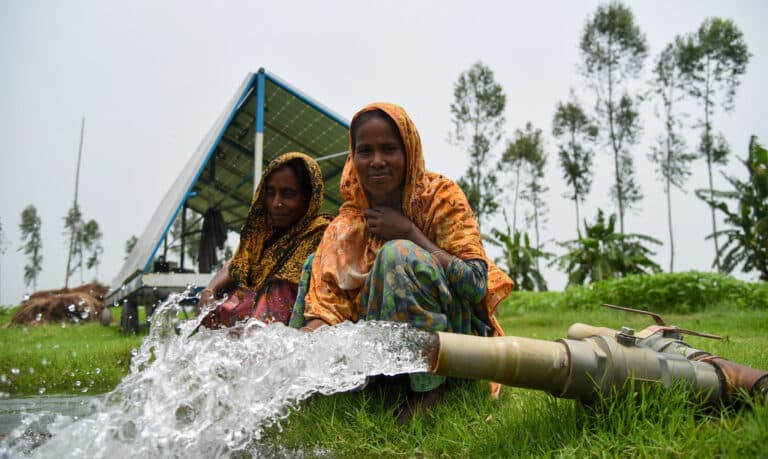
The world’s water resources are under ever-increasing pressure. Demand is growing as a result of rising populations and new consumption patterns, not least in emerging economies. More water resources are needed for different sectors – food, energy, industrial manufacturing, human health, and household purposes – but also for ecosystems.
At the same time, climate change causes greater water variability which could endanger food and energy production, human health and security, economic development, and poverty reduction, making it difficult to achieve the Sustainable Development Goals.
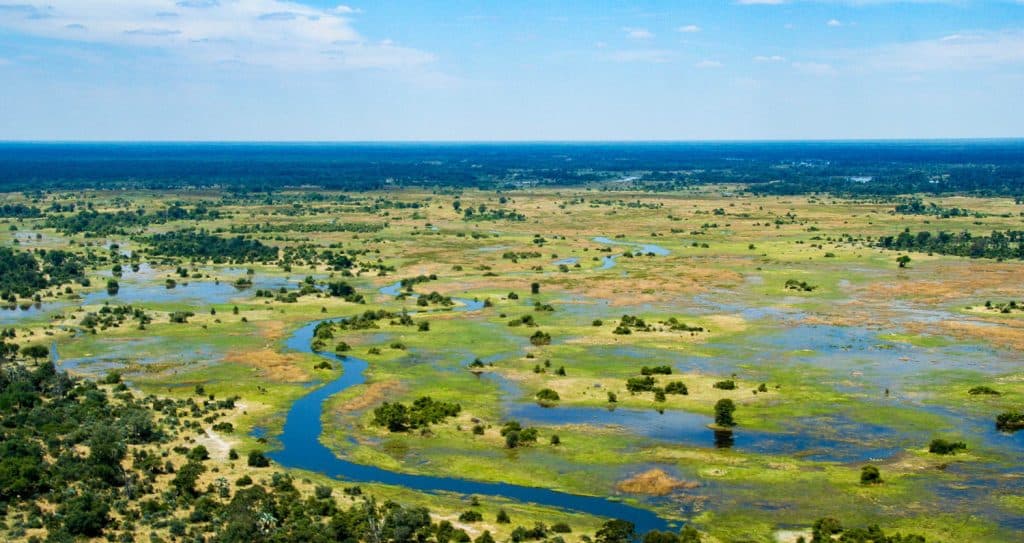
In many places, this requires cooperation between countries depending on the same river or aquifer. More than half the global population lives in one of the world’s hundreds of international river basins. But most basins lack any form of cooperative management framework. There is a need for more coordinated water governance and cross-border governance institutions.
Though the challenge is unprecedented, it should be remembered that we have never before had so much knowledge about water resources as we do today. A growing body of research makes it possible to assess and understand the dynamics of rivers, lakes, and aquifers. We also have a good understanding of what constitutes an effective governance system for the use and management of water. But we do need more research on how to apply this knowledge in a transboundary setting and it is crucial that the research gets to influence policy. This is the role of the International Centre for Water Cooperation.