
Stay informed
SIWI newsletter
Receive SIWI’s latest news, events, reports and jobs directly in your inbox.
You can unsubscribe at any time.

The world’s most important water conversations are not all happening in the same room.
Throughout 2026, governments, scientists, businesses, development banks, civil society and international organizations are contributing to a series of global processes shaping the future of water. In July, the High-level Political Forum reviewed progress towards the Sustainable Development Goals. Attention now turns to World Water Week, before the global conversation continues through COP31 and preparations for the UN 2026 Water Conference in Abu Dhabi. Each process has its own purpose and participants, but together they are helping shape the global water agenda at a pivotal moment.
Across the international agenda, a common message is emerging: the priority is no longer agreeing that water matters but turning commitments into measurable progress. That depends not only on what happens within individual processes, but also on how well they reinforce one another.
Water underpins climate adaptation, biodiversity, food systems, economic development, public health and peace. It is therefore discussed across many international processes, each approaching the issue from a different perspective and with a different mandate.
This diversity is a strength, but it also creates a challenge. Scientific evidence, financing, governance and lessons from implementation can remain within separate communities, even though progress depends on bringing them together. Stronger coordination is becoming just as important as stronger commitments.
Formal international processes play an essential role in building political commitment and cooperation between Member States. But they cannot, by design, bring together every community needed to deliver change. Turning global ambition into action also requires businesses, researchers, financiers, practitioners, Indigenous Peoples and civil society to be part of the conversation.
This is where World Water Week makes a different contribution.
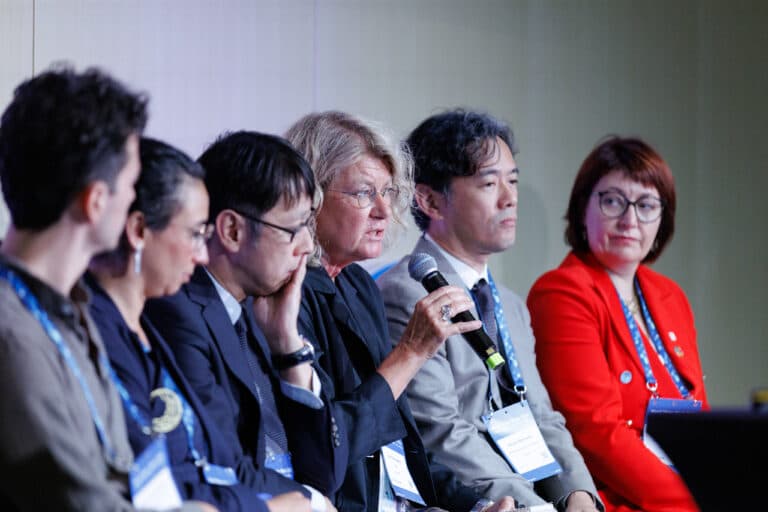
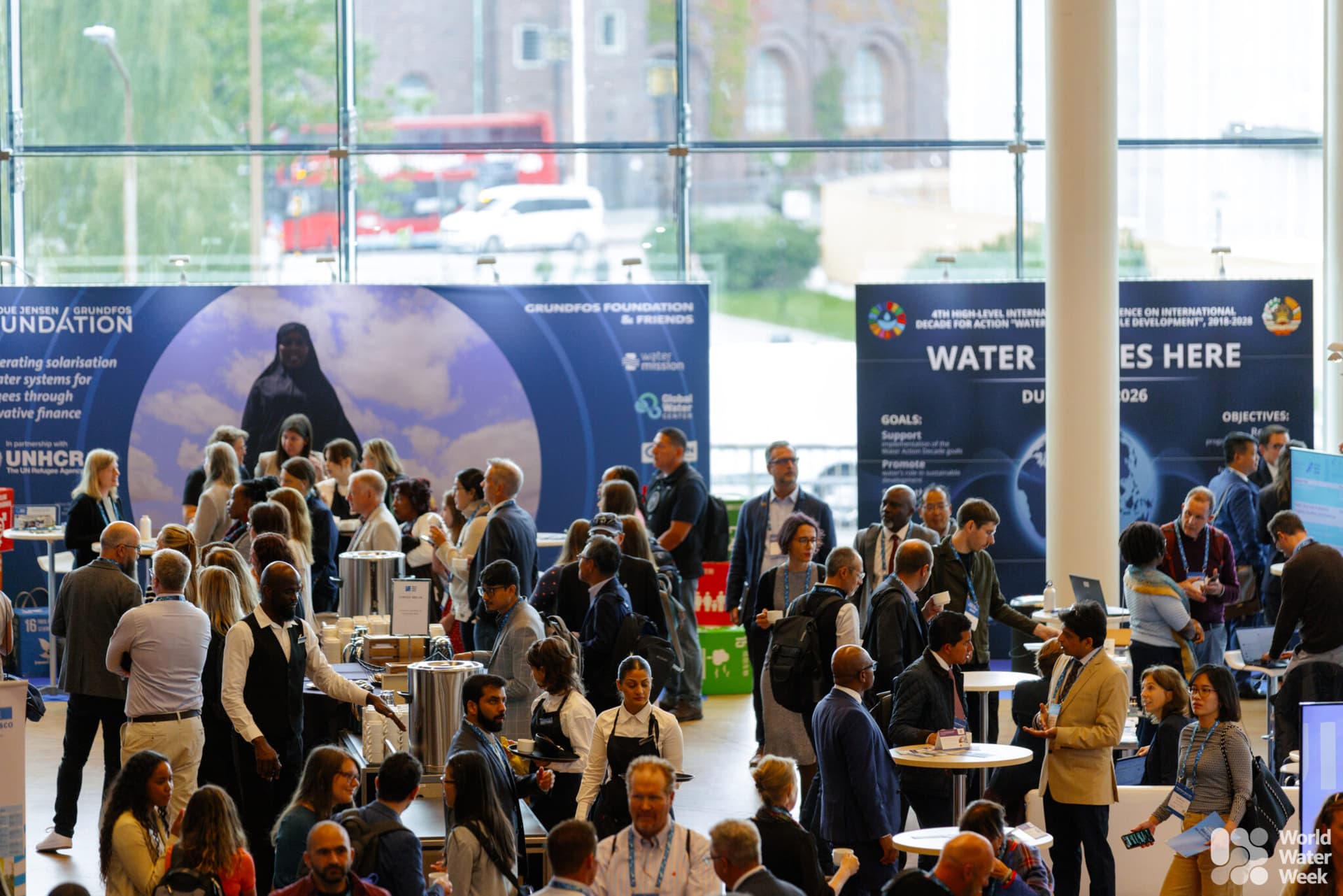
Rather than negotiating agreements, it provides an impartial convening platform where governments, businesses, researchers, financial institutions, practitioners and civil society can engage directly with one another. Scientific evidence can be tested against practical experience. Policy discussions can benefit from operational perspectives. New partnerships can develop before formal decisions are taken and continue long afterwards.
That role is particularly important in 2026. As preparations continue for the UN 2026 Water Conference, many of the themes shaping the Conference’s Interactive Dialogues—from multilateral cooperation and finance to governance and implementation—are also being explored at World Water Week. By bringing together governments, researchers, businesses, financial institutions, civil society and practitioners, the Week creates opportunities to connect these global discussions with practical experience and new partnerships.
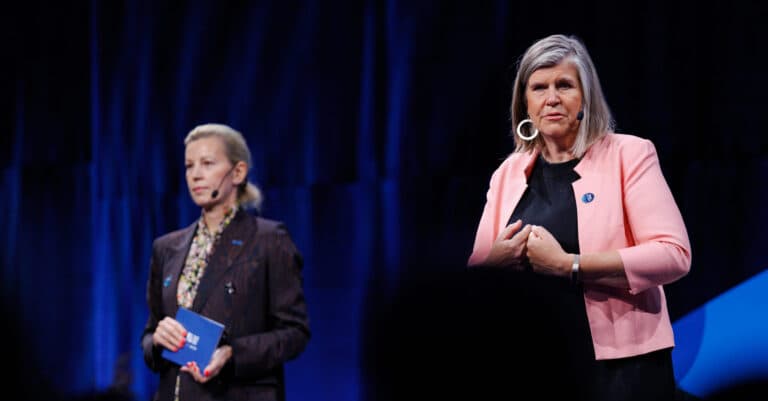
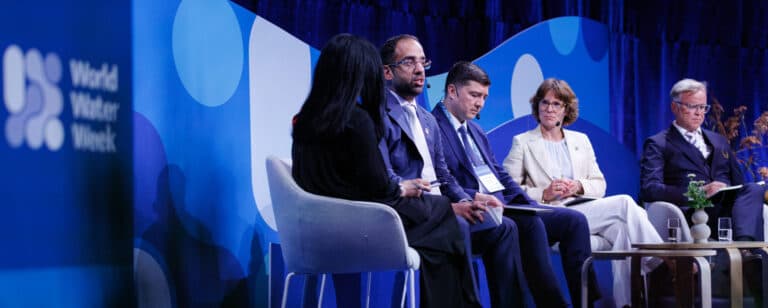
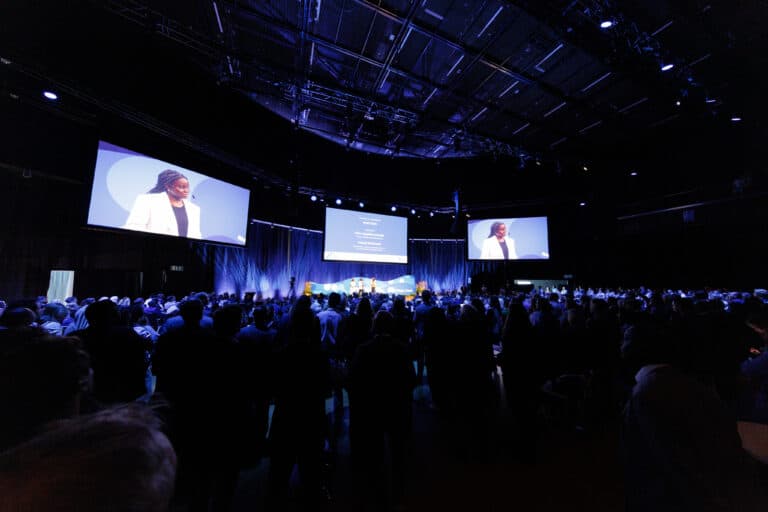
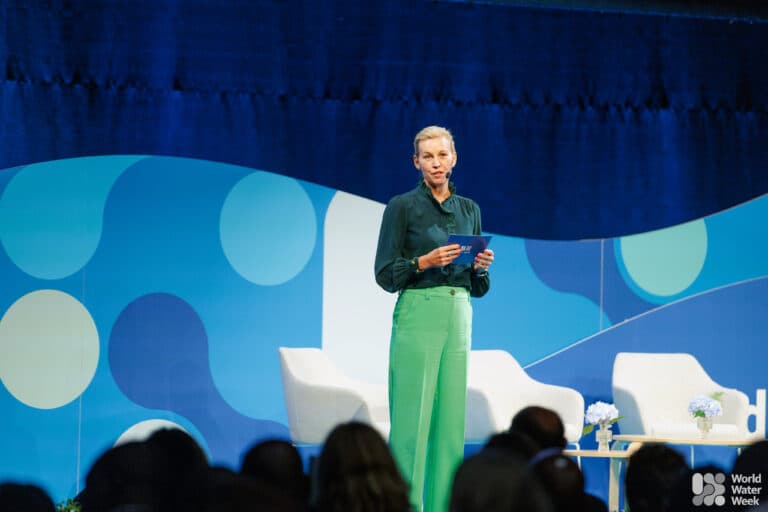
This year’s Opening Panel reflects that ambition by exploring how international processes can better reinforce one another, and how governments, businesses, researchers and civil society can help accelerate implementation in the lead-up to the UN 2026 Water Conference.
The value of World Water Week is not measured by what happens during one week in Stockholm. It is measured by what happens afterwards—when ideas inform policy, partnerships continue, and international discussions are strengthened by evidence and practical experience.
The question is no longer whether water belongs on the global agenda. It clearly does. The challenge now is ensuring that the many conversations shaping that agenda reinforce one another and lead to implementation. In a defining year for water, World Water Week helps make those connections possible.