

Stay informed
SIWI newsletter
Receive SIWI’s latest news, events, reports and jobs directly in your inbox.
You can unsubscribe at any time.

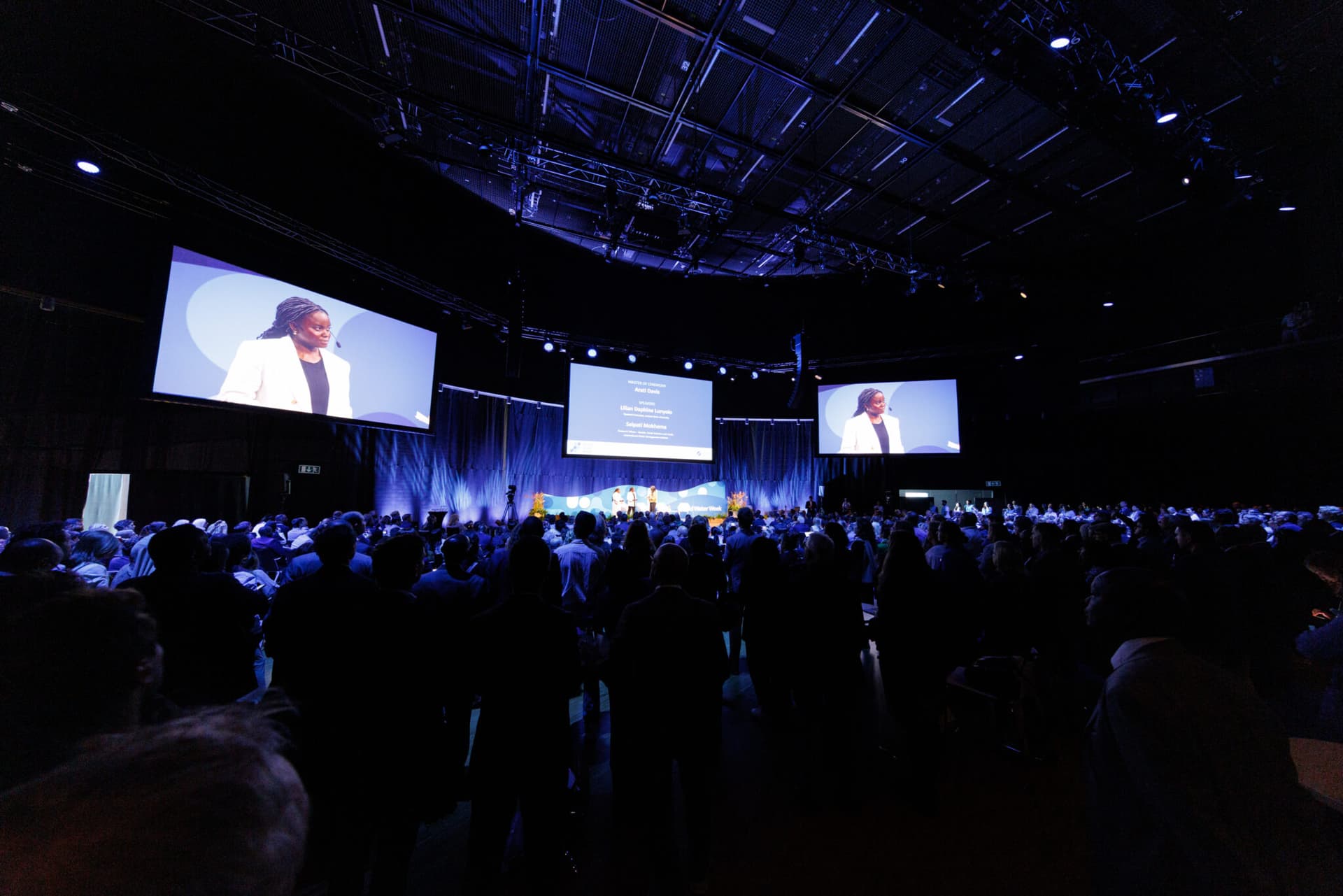
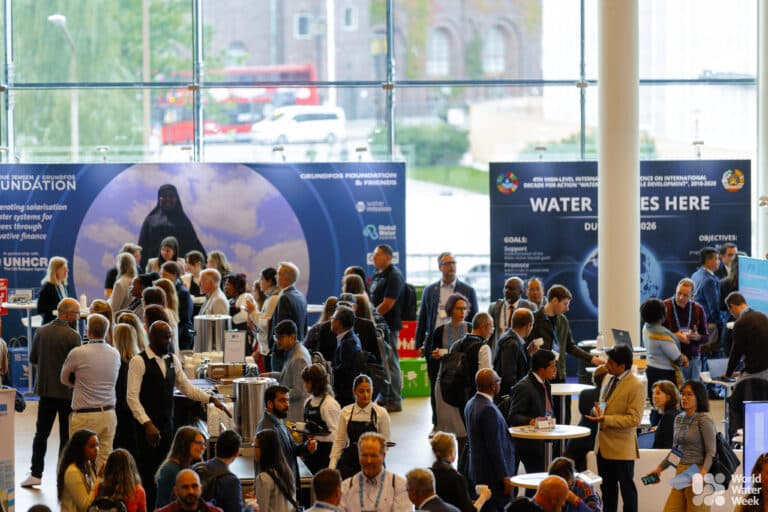
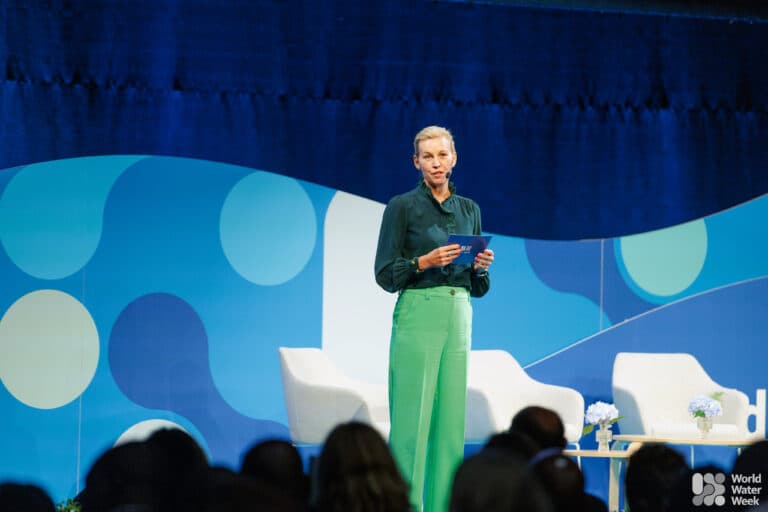
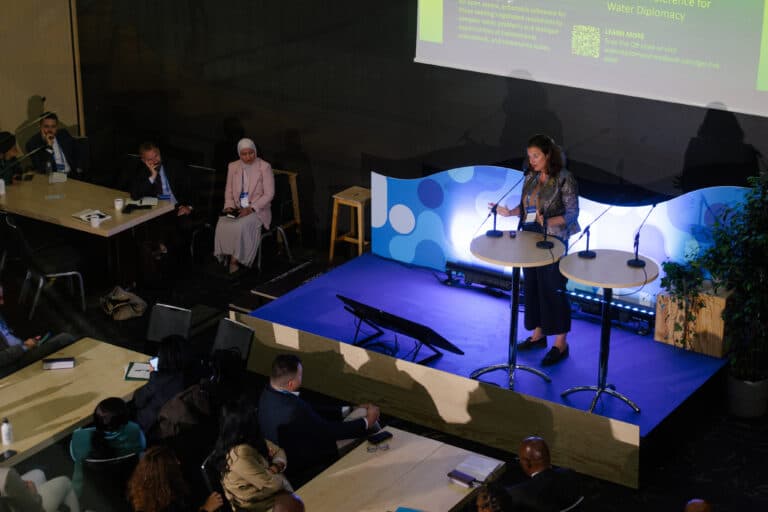
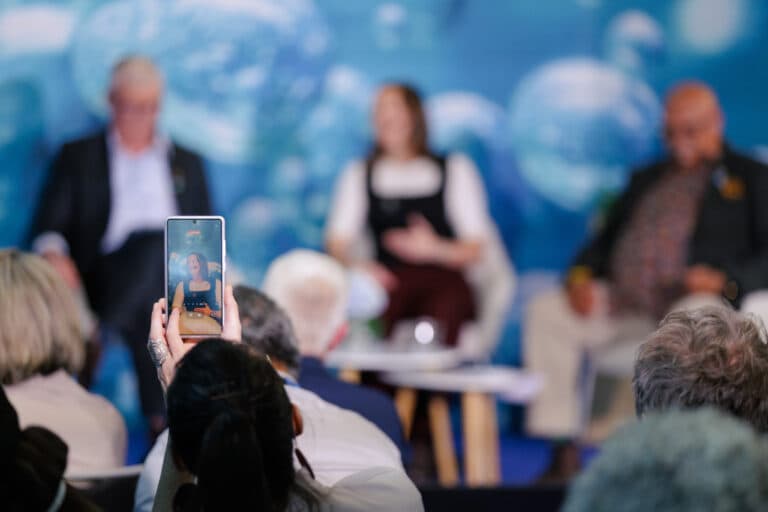
Under the theme Water for People and Progress, participants from more than 180 countries came together in Stockholm and online. Half were women and 34 percent were young professionals. Governments, businesses, financial institutions, scientists, civil society, Indigenous Peoples and communities brought different perspectives to a shared challenge: how to turn knowledge and ambition into results that improve people’s lives.
With the 2026 UN Water Conference approaching in December, the shift from commitments to implementation ran through the Week.
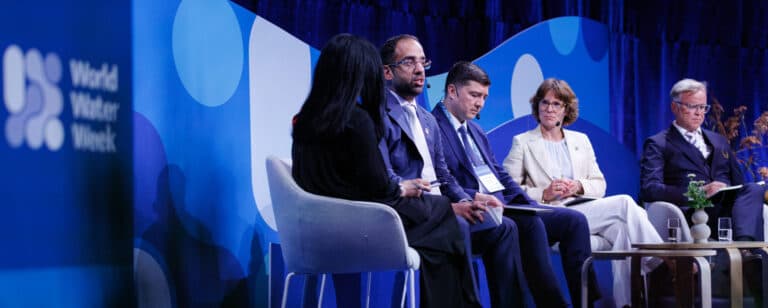
The Interactive Dialogues taking place during World Water Week contributed directly to preparations for Abu Dhabi, while governments, financial institutions and other partners explored how political ambition can be translated into priorities, programmes and investment.
Finance was a major part of that conversation, but discussions went well beyond the need to mobilize more money. Speakers explored what makes investment possible: strong institutions, better planning, reliable data, appropriate financial instruments and effective water governance. Business discussions similarly highlighted growing evidence that water risks affect supply chains, investment decisions and economic resilience.
The Water Forward initiative provided one example of this shift towards implementation, connecting national water priorities with the finance, capacity, data and governance needed to turn them into action.
Again and again, discussions returned to governance. Water challenges cannot be addressed by technology, finance or individual actors alone. Decisions about how water is allocated and managed, who participates in those decisions and how competing needs are balanced ultimately determine whether solutions work.
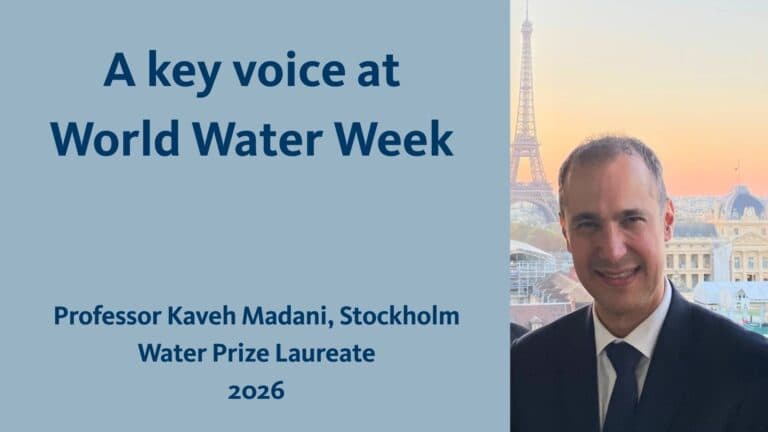
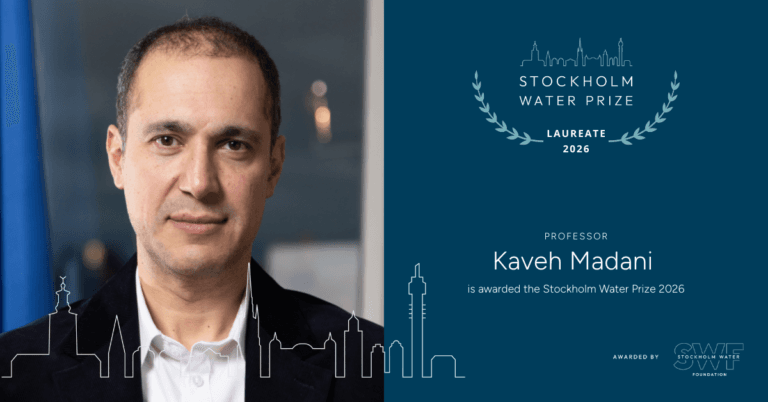
That message was also central to the work of Professor Kaveh Madani, the 2026 Stockholm Water Prize Laureate. His work on water bankruptcy challenges the idea that water crises are simply the result of drought, climate change or physical scarcity. They are also shaped by overuse, governance and political choices. As Madani emphasized during Meet the Laureate, technology and innovation are essential – but not sufficient on their own.
Across the Week, another message was clear: solutions work better when they respond to the realities and needs of the people they are intended to serve.
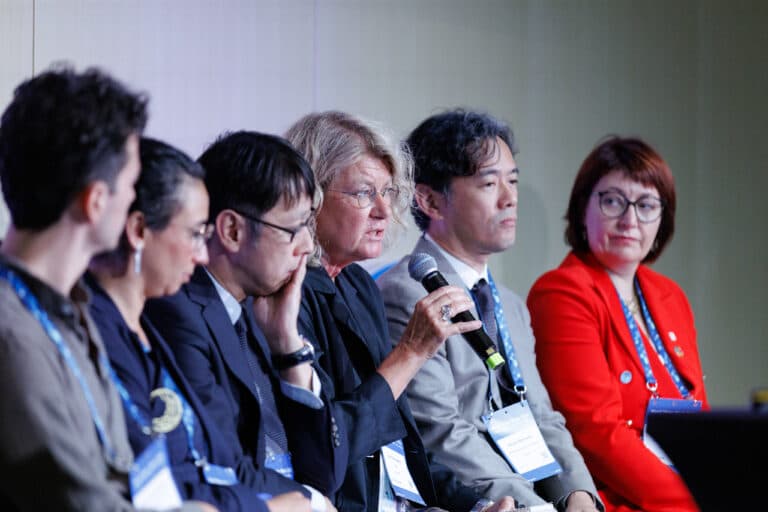
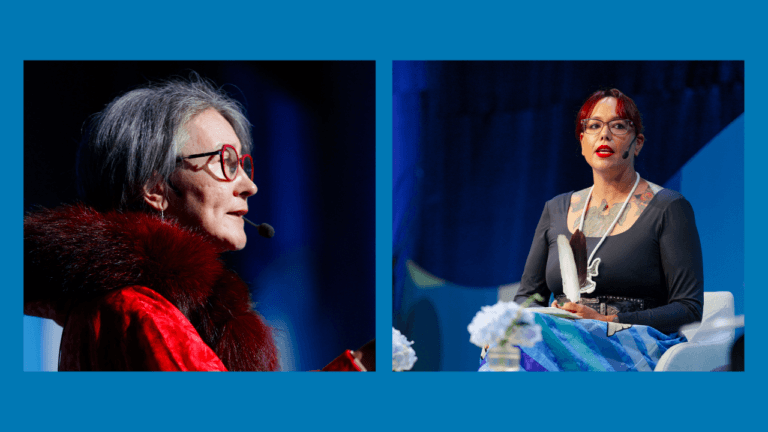
That was reflected in the breadth of participation throughout World Water Week. Different perspectives were not simply represented in the audience but brought into discussions about the decisions ahead – from governments, businesses and financial institutions to scientists, civil society, Indigenous Peoples, communities and young professionals.
The Week also provided the setting to celebrate people and ideas advancing water solutions. The Stockholm Water Foundation, which is responsible for the Stockholm Water Prize and Stockholm Junior Water Prize, celebrated Professor Kaveh Madani, the 2026 Stockholm Water Prize Laureate, and this year’s Junior Water Prize winner, Moroti Adegboyega of Canada, whose Ecoferroquatics project uses AI and magnets to selectively remove plastic from water.
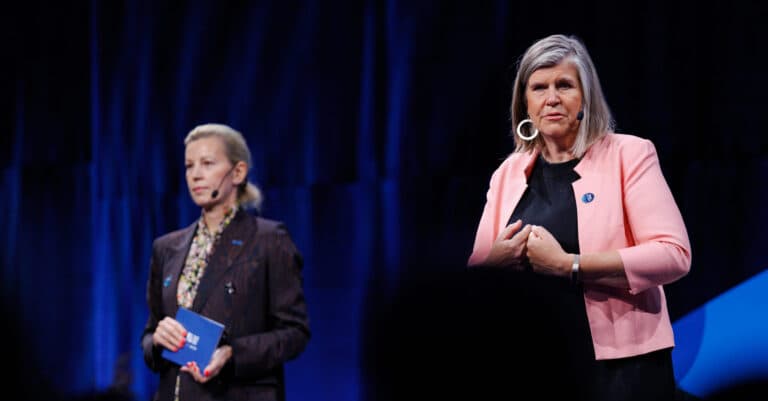
At the Closing Ceremony, Gary White, CEO and Co-founder of Water.org Group, received the Hoover Medal, recognizing a career dedicated to expanding access to water and sanitation. His work has helped demonstrate how finance can enable people to invest in their own water and sanitation solutions. It is a powerful example of what can happen when people are placed at the centre of change.
The Closing Ceremony also looked ahead, with the announcement of the theme for World Water Week 2027: Water for Human and Planetary Health.
Next year’s Week will explore water’s role in advancing human wellbeing while safeguarding the health of the planet. It will look at the connections between water and public health, ecosystems, climate, biodiversity, food security, peace and economic resilience.
Professor Johan Rockström built on that theme with an update on the planetary boundaries, showing that humanity has now transgressed seven of the nine boundaries defining a safe operating space for humanity. Water connects across many of these systems, including climate, biodiversity, land, nutrients and ecosystem health.
The picture was sobering, but not without possibility. There is still a window to change direction, and doing so will require collective action across sectors, countries and communities.
World Water Week 2027 will also provide an important opportunity to follow up on the outcomes of the 2026 UN Water Conference and help accelerate implementation of the commitments made there.
World Water Week 2026 showed that moving from ambition to implementation does not depend on finding one missing solution. It depends on connecting the pieces we already know matter: knowledge, governance, finance and cooperation.
And it depends on recognizing that progress for people and a healthy planet are not separate ambitions. Water connects them.