










Stay informed
SIWI newsletter
Receive SIWI’s latest news, events, reports and jobs directly in your inbox.
You can unsubscribe at any time.

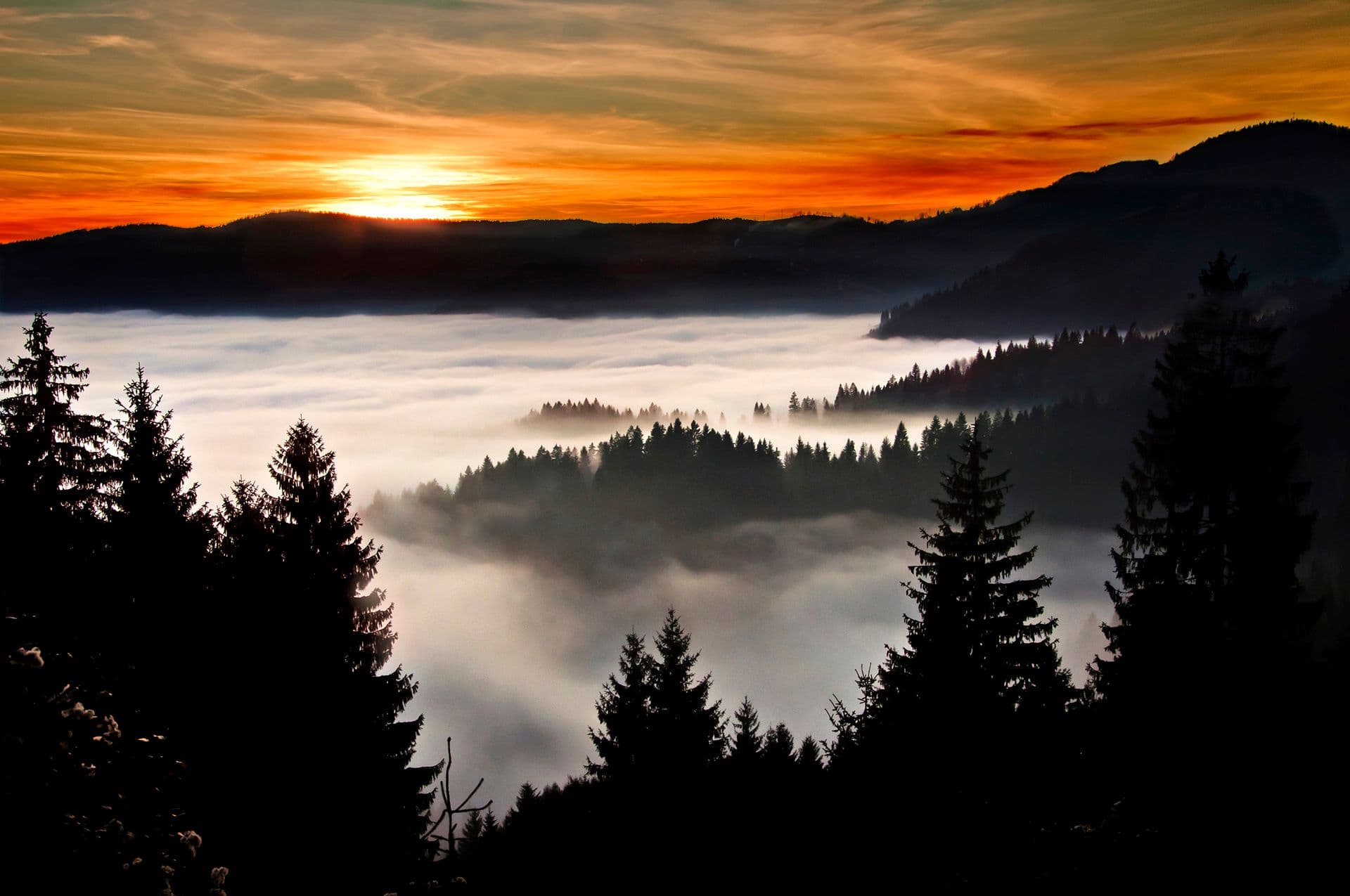

We cannot govern water effectively if we only govern the water we can see in rivers, lakes, wetlands, springs and wells.
For decades, water governance has focused primarily on rivers, lakes, and groundwater. That focus has supported important progress in water management, transboundary cooperation, clean water and sanitation, and sustainable development. Yet science is expanding our understanding of how water moves through landscapes and across the atmosphere, revealing connections that traditional governance frameworks rarely consider.
Water moisture in soils, ecosystems and the atmosphere was excluded from earlier water governance because it was less visible, harder to measure, outside the mandate of most water institutions, and not yet fully understood scientifically. But over the past decade, our understanding of the hydrological cycle and how it influences water security has advanced significantly. That new knowledge challenges us to rethink not only how we manage water, but how we define water governance itself.
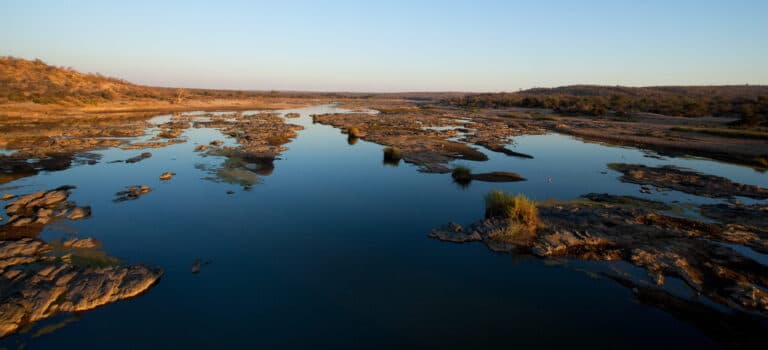
Most water policies have traditionally focused on what is often described as blue water—the rivers, lakes and groundwater that societies depend on for drinking water, irrigation, industry, transport, and energy production. These resources remain fundamental, but they are only part of the picture.
Green water—the moisture stored in soils and vegetation and returned to the atmosphere through evapotranspiration—plays an equally important role in sustaining ecosystems, supporting rainfed agriculture and regulating rainfall. Healthy forests, wetlands, and soils do not simply respond to rainfall. They also help generate it by recycling moisture through the atmosphere.
This broader understanding is changing how scientists think about water security. It also has profound implications for policy. If ecosystems and land management influence rainfall, then decisions about agriculture, forests and ecosystem restoration are also decisions about water.
Scientific understanding and awareness of the hydrological cycle and its importance for water security has advanced rapidly. Governance has not always kept pace.
Many existing governance frameworks remain organized around sectors and administrative boundaries that do not reflect how water actually moves. Water policies often focus on river basins and catchments, while land-use policies, climate adaptation strategies and biodiversity planning are developed separately by other sectors, such as agriculture, energy and environment. Yet the processes that regulate water security connect all of these areas through the continuous movement of water across landscapes and the atmosphere.
This creates a growing governance mismatch. Scientific evidence increasingly shows that managing water resources as a separate sector cannot secure long-term water resilience if soils are degraded and desiccated, forests are disappearing and ecosystems that regulate moisture recycling are under pressure. Water governance therefore needs to expand beyond managing blue water to recognizing the full hydrological cycle.
This does not mean replacing existing approaches. Integrated water resources management, including river basin management and transboundary cooperation, remains essential. Rather, it means complementing them with governance that reflects today’s scientific understanding of how water moves through landscapes, ecosystems, and the atmosphere.
Looking at the full hydrological cycle changes the questions we ask.
Instead of treating water, forests, agriculture, and climate adaptation as separate policy areas, it encourages us to recognize how closely they are connected. Restoring forests becomes part of strengthening water security. Improving soil health becomes part of climate resilience. Nature-based solutions become investments in the processes that sustain water availability for people, ecosystems, and economies alike.
This broader perspective also highlights the need to improve monitoring, develop common indicators, and integrate green water into existing governance frameworks. The objective is not to create an entirely new system of water governance, but to ensure that existing policies reflect today’s scientific understanding of how the hydrological cycle functions.
In 2026, governing the full hydrological cycle is moving from scientific discussion towards international policy. As countries prepare for the UN 2026 Water Conference and begin looking beyond the 2030 Agenda, questions about green water, moisture recycling and the links between land, climate and water are becoming increasingly relevant to resilience, water and food security, and sustainable development.
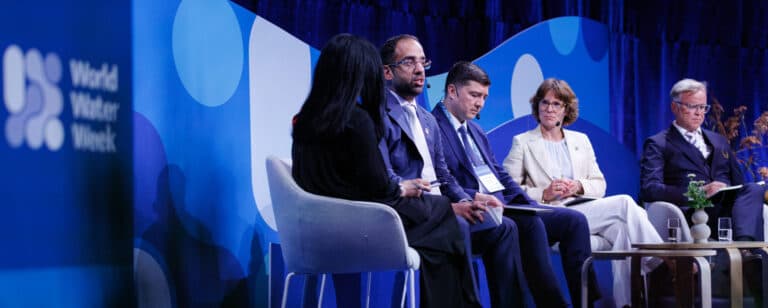
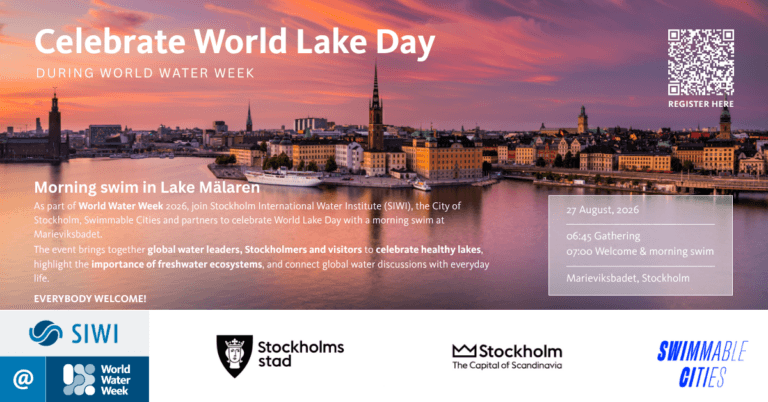
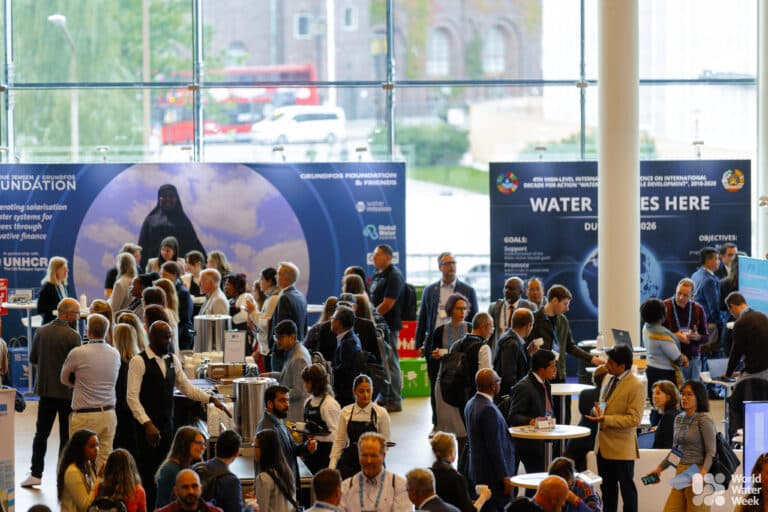
World Water Week provides an opportunity to explore what this growing body of evidence means for policy and practice. It brings together scientists, policymakers, and practitioners to consider how governance can better reflect the way water actually moves through our landscapes and our atmosphere.
Water governance must evolve with our changing understanding and awareness of how the hydrological cycle functions. Because if we continue to govern only the water we can see, we risk overlooking the processes that sustain the water we all depend on.